
Keeping a fleet clean shouldn't come at the expense of keeping it on the road. Yet every trip to a distant car wash pulls vehicles away from the work they're meant to be doing.
Driver downtime is one of the most overlooked costs in any fleet. It rarely shows up on an invoice, but you feel it in delayed schedules, overtime, and vehicles that sit idle instead of driving their routes. A wider wash network is one of the easiest ways to win that time back.
See Where Downtime Actually Hides
Downtime isn't just breakdowns and repairs. It's any stretch where the vehicle and driver have to take a break from their routes. Washing creates more of it than most teams realize.
- Driving across town to the one approved wash location, then driving all the way back.
- Waiting in line when several vehicles show up at the same site at once.
- Washing in-house, which can take 20 minutes or more per vehicle.
- Reshuffling routes around a single wash site's hours and location.
Keep Vehicles Close to the Route
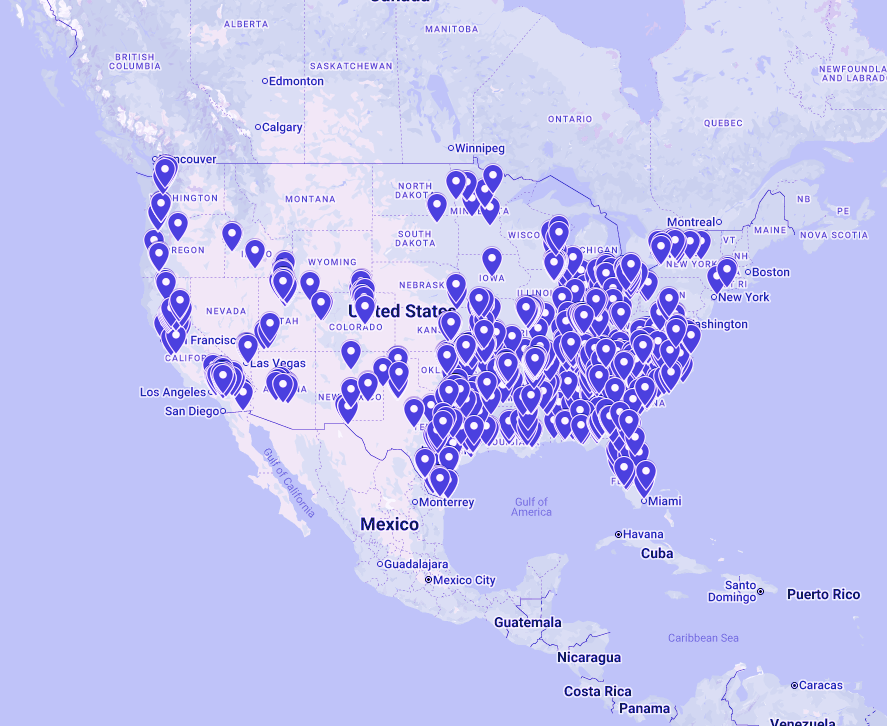
When drivers can wash near their route instead of crossing town, the lost time is minimized. This is the core purpose of a wash network. Drivers get in and out quickly with license plate recognition, RFID, or a payment card.
- Thousands of wash locations nationwide, making it easy to find one nearby.
- Drivers wash on the route they're already running, not on a detour.
- No single site to overload, so no waiting for an open bay.
- Consistent access whether a vehicle is downtown or two cities over.
Bring the Wash to Vehicles That Can't Leave
Some vehicles can't spare the trip at all. For those, mobile washing brings the service straight to your yard or depot.
- Crews wash on-site while vehicles are parked between shifts.
- No travel time and no driver pulled off task to run a wash trip.
- Works well for buses, heavy trucks, and vehicles staged overnight.
- Pairs with brick-and-mortar washing so every vehicle type is covered.
Add Up What Recovered Time Is Worth
The math adds up quickly. Industry estimates put the cost of a vehicle sitting idle at roughly $448 to $760 per day, with many fleets landing near $560.
Trim those wash trips, and the savings show up in several places:
- Fewer paid hours lost to wash trips and waiting in line.
- Less fuel and mileage spent driving to far-off wash sites.
- Less overtime spent catching up on delayed routes.
- More productive time from the vehicles you already own.
- Washing costs that stay predictable, often $40 to $120 per vehicle.
Keep the Whole Program in One View
Reducing downtime only sticks if you can see what's happening. Rynse centralizes every wash so the savings are easy to track and protect.
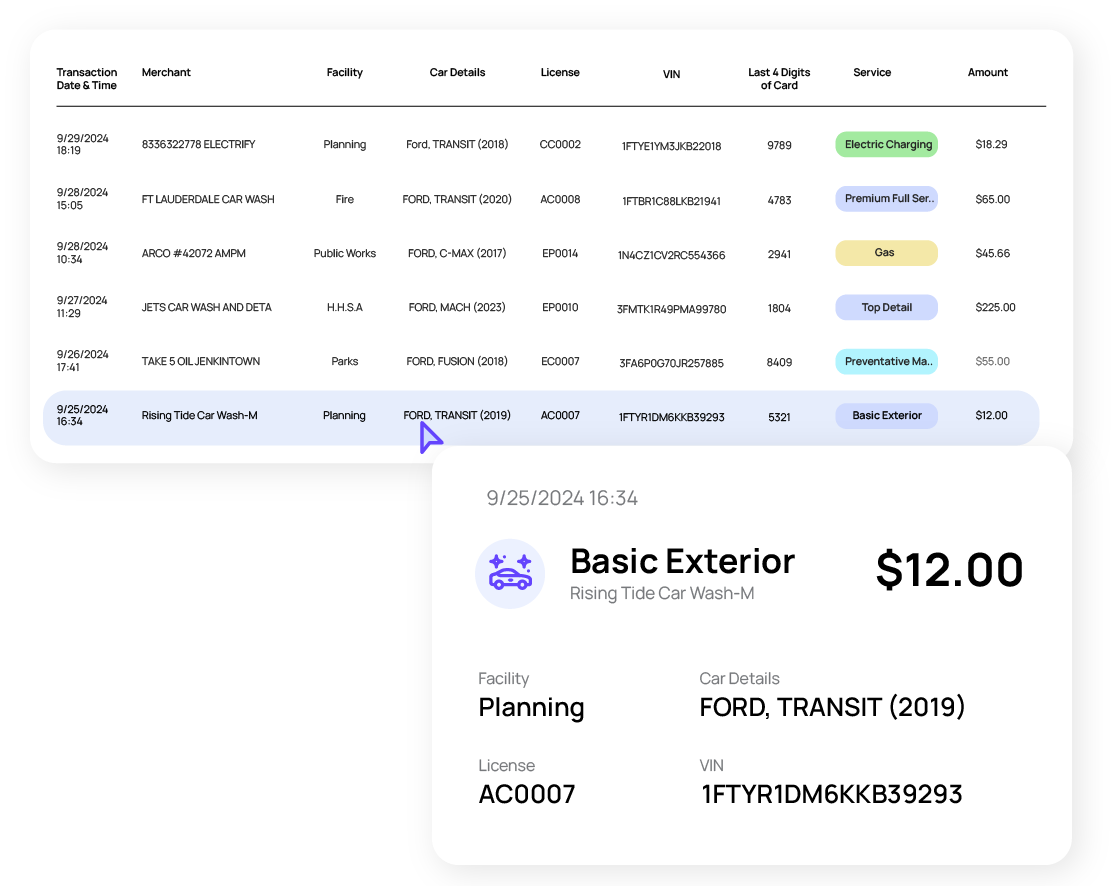
- Centralized billing that rolls every wash into one itemized invoice.
- Simplified procurement through a single vendor relationship.
- Customizable spend controls by vehicle, vendor, or department.
- Built-in fraud monitoring that flags unusual activity automatically.
Frequently Asked Questions
What counts as driver downtime from washing?
Any time a vehicle and driver spend traveling to a wash, waiting for a bay, or washing in-house instead of running their route.
How does a wash network reduce that downtime?
It connects drivers to dozens of nearby wash locations, so they can wash close to the route instead of crossing town or waiting at one busy site.
Can Rynse cover vehicles that can't leave the yard?
Yes. Rynse pairs brick-and-mortar washing with mobile providers that wash on-site, so vehicles staged overnight or between shifts stay clean without a trip.
How do we keep track of all the washing?
Every wash flows into one platform with centralized billing, spend controls, and fraud monitoring, giving you a clear view of activity and cost.
What Less Downtime Means for Your Fleet
Driver downtime rarely announces itself, but it adds up every time a vehicle leaves its route for a wash.
A wash network keeps those vehicles close to the work and back on the road faster. With Rynse, you gain access and the visibility to prove it's paying off.

Rynse Team