
Most public works departments need both brick-and-mortar and mobile washing. Travel distance, equipment size, and yard constraints determine which method applies to each unit.
Start With Where the Equipment Actually Goes
Sort the fleet by how far each unit travels in a normal week:
- Pickups, sedans, and light trucks already moving through town
- Dump trucks and plows that run assigned routes, then return to the yard
- Sweepers and vactors that work slow routes for long shifts
- Loaders, graders, and backhoes that rarely leave the yard or jobsite
- Units staged for a season or waiting on parts
That split usually answers the question before any pricing gets compared.
When Brick-and-Mortar Washing Is the Better Call
Sending the vehicle out works best when it's already moving:
- A wash location sits close to the route the driver is running
- Wash cycles are short, so the unit is back in service quickly
- Frequency is high, like weekly winter washes across light trucks
- Nothing has to be set up, scheduled, or contained at the yard
- Coverage grows with the fleet without buying equipment
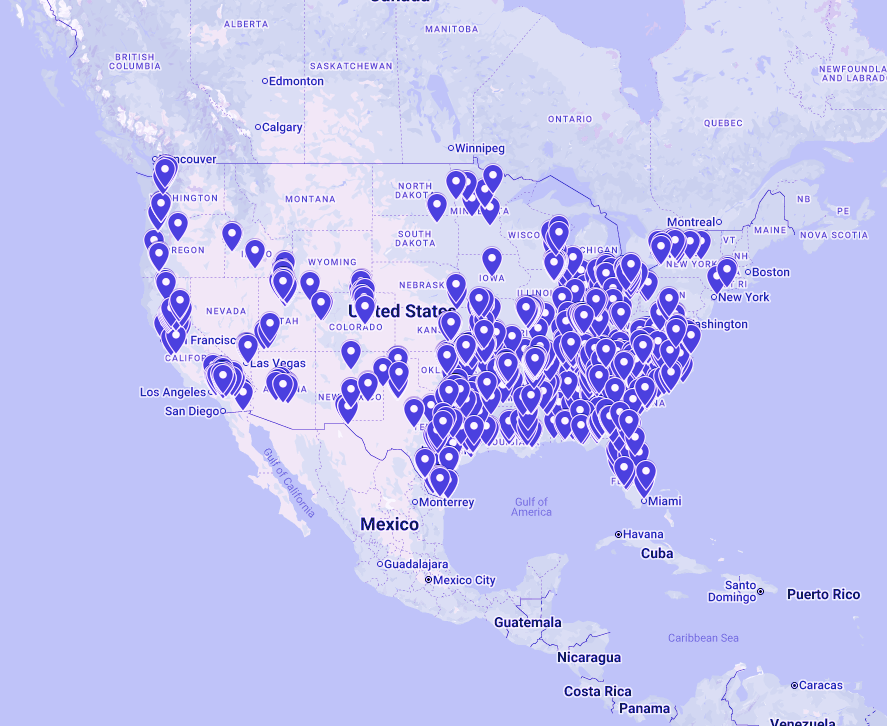
A broad nationwide wash network makes this practical, since the value depends on having a site near the route rather than across the jurisdiction.
When Mobile Washing Is the Better Call
Bringing the wash to the yard works best when the unit shouldn't move:
- The equipment can't legally or practically drive to a wash site
- Oversized units don't fit a standard commercial bay
- Several vehicles get washed in one scheduled visit
- Crews stay on site instead of losing hours in transit
- Providers bring water capture and drain protection with them
Here's a fuller look at when mobile fleet washing makes sense for a given unit.
How Compliance Affects the Choice
Wash water is regulated, and each method handles it differently:
- Washing in the yard without capture risks putting oil, grease, sediment, and detergents into a storm drain
- Mobile providers can seal drains, pool the runoff, and haul it off for disposal
- Commercial wash sites already treat and reclaim their own water
- An in-house pad puts permitting, plans, and reclamation upkeep on the department
The regulatory side is covered in more depth in the public works fleet washing best practices guide.
What Changes by Season
The right mix shifts through the year:
- Winter: plows and spreaders run constantly, and salt calls for frequent washes close to the route
- Spring: staged equipment sits in the yard and needs a full undercarriage clean, which suits a mobile visit
- Summer: asphalt, dust, and jobsite buildup hit dump trucks and sweepers hardest
- Fall: pre-season prep puts many units in the yard at once
For the general trade-offs outside a public works context, see mobile vs. brick-and-mortar fleet washing.
Running Both Methods on One Account
Splitting the fleet across two methods adds work when they run as separate contracts. On one platform it stays simple:
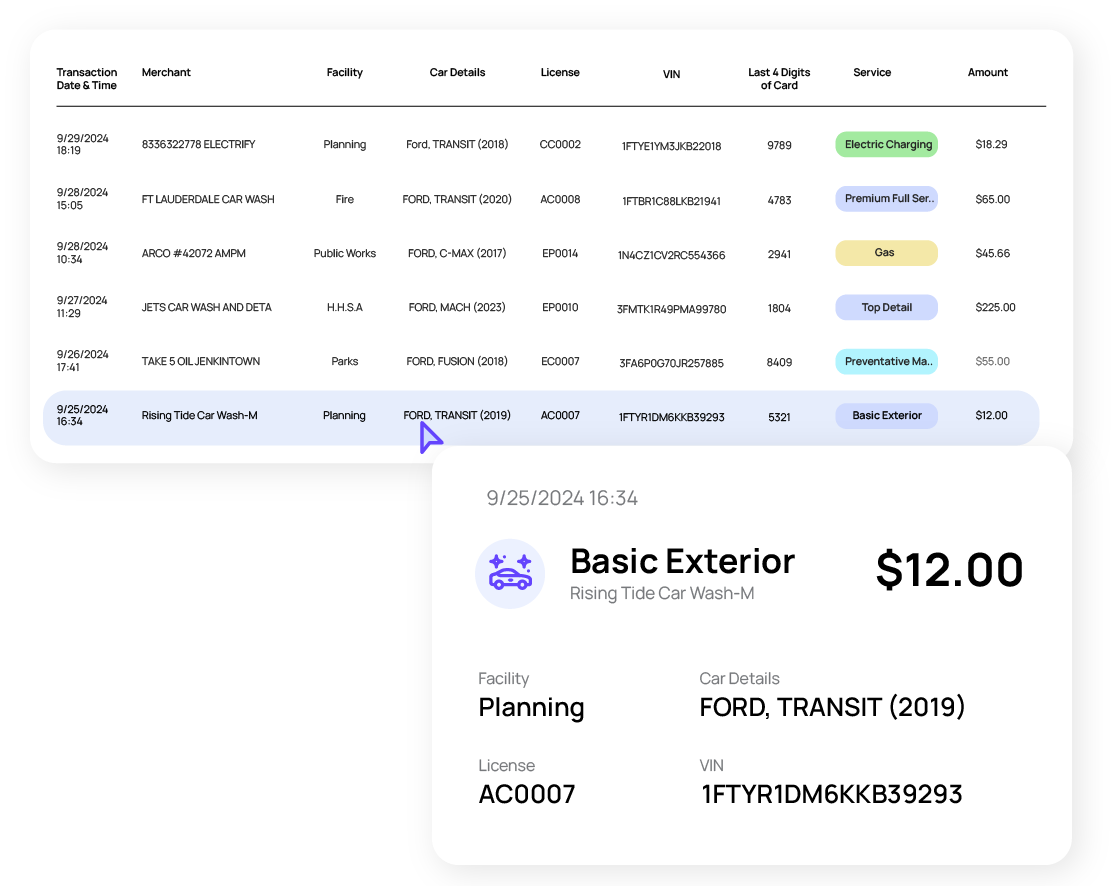
- One itemized invoice through centralized billing instead of separate vendor bills
- Customizable spend controls applied the same way to both methods
- Real-time records covering mobile visits and site washes together
- One procurement decision rather than two solicitations
Plenty of departments already do this, and here's how fleets combine mobile and brick-and-mortar washing in one program.
Frequently Asked Questions
Which Method Costs Less for Public Works Fleets?
It depends on the unit. Light vehicles already on the road usually cost less to wash at a nearby site, while yard-bound equipment costs less to wash on site once driver time and transit are counted.
Can Mobile Crews Wash Equipment in a City Yard?
Yes. Mobile providers work in yards regularly and can bring drain blockers, containment, and recovery tanks so the runoff is captured instead of entering a storm drain.
Do Plows and Sweepers Fit in a Commercial Wash?
Some do and some don't. Height, length, and attachments decide it, which is why oversized and specialty equipment tends to stay on the mobile side of the program.
How Do Departments Split the Fleet Between Both?
Most sort by travel and size: light and mid-duty vehicles wash at nearby sites, and heavy or yard-bound equipment gets a scheduled mobile visit.
One Program That Covers Every Unit
The choice comes down to how far a unit travels and whether it fits a commercial bay. Sorting the fleet on those two questions gets most departments to the right mix, and running both methods on one account keeps the billing, controls, and records together.

Rynse Team