
Keeping fleet vehicles clean has always been part of good fleet management — but the way fleets wash their vehicles hasn't kept up with how they actually operate.
Clean vehicles project a professional image, help protect long-term vehicle value, and make it easier to inspect equipment for damage or maintenance issues. But as fleets have grown larger and more spread out, the way vehicles are washed has changed.
Many organizations still rely on a single approved car wash or a small group of local locations. While that approach may work for a small fleet operating from one facility, it becomes much harder to manage as vehicles, drivers, and service areas expand. A wash program that once seemed simple can quickly create extra travel, higher operating costs, and unnecessary downtime.
Today's fleets need a more flexible approach. Instead of asking every driver to travel to one designated wash, fleet managers are looking for programs that provide convenient access to approved wash locations wherever their vehicles operate. The goal is simple: keep vehicles clean while reducing time on the road and making fleet operations more efficient.
The Hidden Cost of a Single Wash Location
At first glance, using one approved car wash seems like the easiest solution. It keeps purchasing simple and gives drivers a clear place to go. The problem is that convenience for administration doesn't always translate into efficiency for daily operations.
Imagine a utility truck finishing work across town late in the afternoon. Instead of heading back toward its yard, the driver must travel several extra miles to reach the only approved wash location before returning for the day. The wash itself may take only a few minutes, but the additional driving adds time, fuel costs, and unnecessary wear on the vehicle.
Now multiply that extra trip across an entire fleet. What seems like a small inconvenience for one driver can become hundreds of hours of lost productivity over the course of a year. A single wash location can increase:
- Driver travel time
- Fuel consumption
- Vehicle downtime
- Labor costs
- Wear from unnecessary miles
Many fleets focus on the cost of each wash, but the larger expense is often everything that happens before the vehicle reaches the wash.
Curious how much detour driving is costing your fleet?
Talk to our teamFleet Operations Have Changed
Fleet operations look very different today than they did even a decade ago. Organizations continue to grow, open new facilities, and serve larger geographic areas. Drivers often begin and end their shifts in different locations, and many vehicles spend the day moving between job sites instead of returning to one central yard.
That change has made flexibility more important than ever. A vehicle that finishes its route on the opposite side of the city shouldn't have to drive across town simply because one wash location was chosen years ago.
Consider a municipality with several public works yards spread throughout the county. If every vehicle is required to use one wash location, crews may spend valuable time driving past other approved washes just to reach the designated site. Those extra miles add up quickly and reduce the time available for the work that matters most.
Providing access to multiple approved wash locations helps fleets keep vehicles clean while allowing drivers to stay closer to their normal routes. Instead of building operations around one wash facility, the wash program supports the way the fleet already operates.
Why Extra Travel Costs More Than You Think
The cost of driving to a distant wash goes well beyond fuel.
Every additional mile keeps employees on the clock longer and delays the vehicle's return to service. More driving also increases wear on tires, brakes, and other components that require regular maintenance. While these costs may seem minor on a single trip, they become significant when repeated across dozens or hundreds of vehicles.
Extra travel can also affect customer service. Whether a fleet supports residents, utility customers, delivery routes, or field technicians, time spent driving to a wash is time that cannot be spent completing work.
A wash program should help improve fleet efficiency, not compete with it. The closer drivers can access an approved wash, the easier it becomes to keep vehicles clean without disrupting daily operations.
Why Geographic Coverage Matters
Where a vehicle finishes its day is often more important than where the fleet headquarters is located.
A fleet may have vehicles operating throughout an entire city, across several counties, or even in multiple states. Limiting every driver to one wash location rarely reflects how those vehicles are actually used.
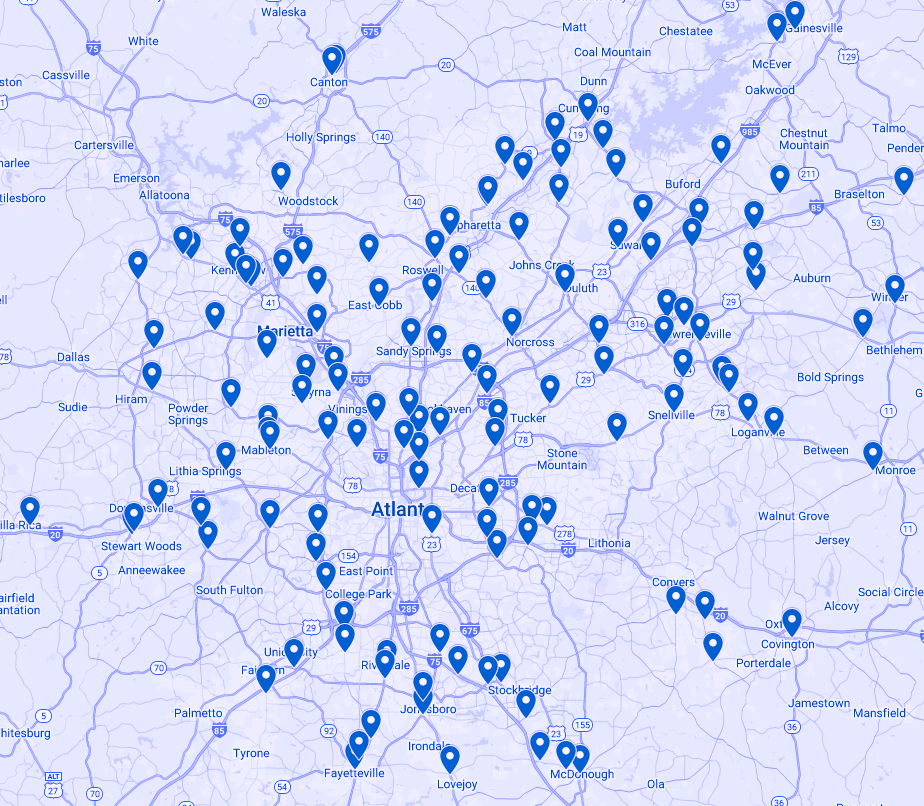
The most effective fleet wash programs provide coverage where drivers already work. That means vehicles can be cleaned closer to their routes instead of making a separate trip to one designated facility. The result is a process that feels like a natural part of the workday rather than another task added to it.
As organizations continue to grow, broad geographic coverage becomes even more valuable. Opening a new facility or expanding into another service area shouldn't require starting over with a new wash provider. A flexible wash network allows the program to grow alongside the fleet, making it easier to maintain consistent standards across every location.
For fleets with drivers working across multiple regions, broader wash coverage can help:
- Reduce unnecessary travel
- Lower fuel and labor costs
- Keep vehicles available for service
- Improve driver convenience
- Support expansion into new operating areas
A wash program should fit the fleet — not force the fleet to fit the wash program.
Why Flexibility Matters
No two fleets operate the same way. Some vehicles return to a central yard every evening, while others spend the day moving between job sites or traveling across an entire service area. A wash program that works well for one organization may not fit another.
That's why flexibility has become one of the most important qualities in a modern fleet wash program.
Consider a county government that manages public works vehicles, parks equipment, utility trucks, and passenger vehicles. Each department has different schedules, different routes, and different cleaning needs. Requiring every vehicle to follow the same wash process can create unnecessary delays and make it harder for crews to stay productive.
A more flexible approach allows vehicles to be cleaned where and when it makes the most sense. Instead of building operations around one wash location, fleet managers can build a wash program around the way their vehicles actually work.
Choosing the Right Wash for the Job
Not every vehicle should be washed the same way.
For many passenger vehicles and light-duty trucks, a nearby brick-and-mortar car wash is often the fastest and most convenient option. Drivers can stop at an approved location while they're already working in the area and quickly get back on the road.
Other fleets may benefit from mobile washing. Vehicles that return to the same yard each evening can often be cleaned on-site without requiring drivers to leave the facility. This approach works especially well for larger groups of vehicles that are parked together overnight.
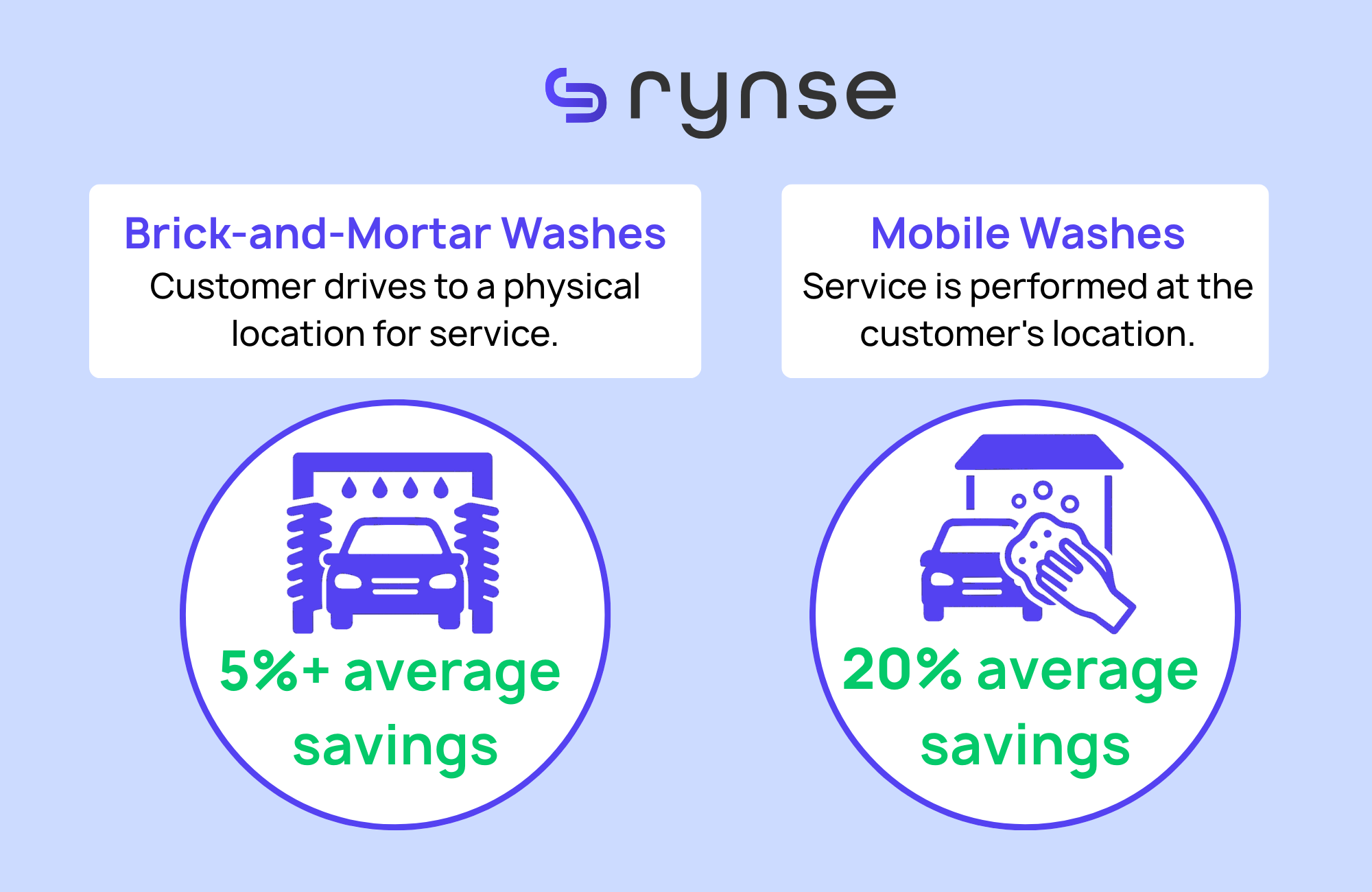
Having access to both options gives fleet managers greater flexibility. Instead of forcing every vehicle into the same process, they can choose the solution that best fits each vehicle's location, schedule, and operating needs.
Visibility Shouldn't Be Sacrificed for Convenience
Giving drivers access to more wash locations should never mean giving up visibility.
Fleet managers still need to know when vehicles are being washed, where the service took place, and how much was spent. Without that information, it becomes difficult to manage budgets, identify unusual activity, or understand how the wash program is being used.
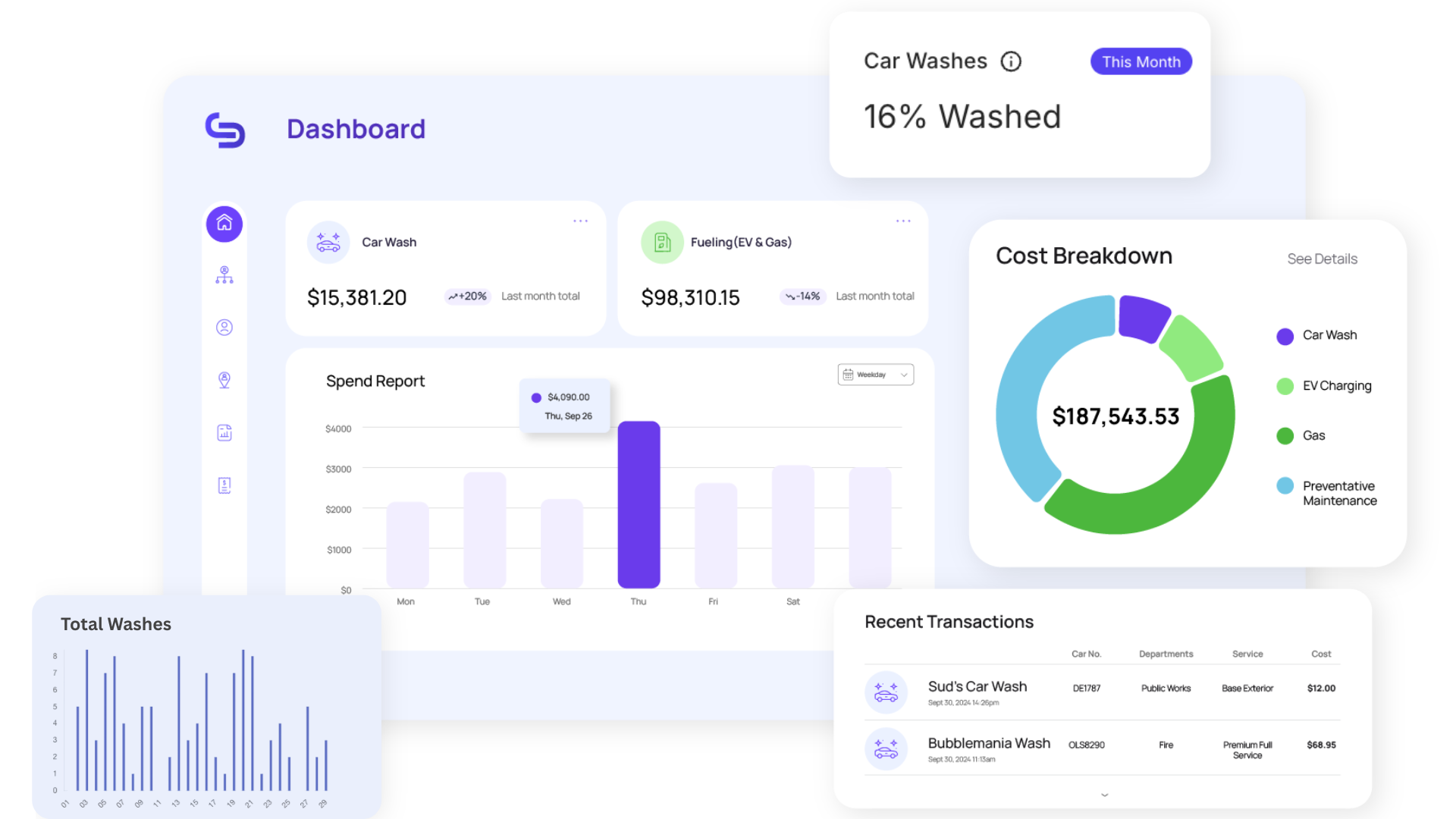
Real-time reporting provides a clear picture of wash activity across the fleet. Instead of collecting information from multiple locations or waiting for paper records, fleet managers can review vehicle-level activity in one place. That visibility helps answer important questions such as:
- Which vehicles are being washed most often?
- Where are washes taking place?
- Are vehicles following company policies?
- How much is each department spending?
- Are there unusual patterns that need attention?
When this information is easy to access, fleet managers can make better decisions and spend less time tracking down records.
Simplifying Billing Across the Fleet
As fleets grow, administrative work often grows with them.
Working with several independent wash providers can mean managing separate invoices, payment schedules, and reporting formats. Reconciling those records takes time and makes it harder to understand total fleet spending.
A centralized approach simplifies the process. Instead of sorting through invoices from multiple locations, organizations receive consistent reporting that makes it easier to review activity, allocate costs, and manage budgets.
For accounting teams, that means less manual work. For fleet managers, it means a clearer picture of how the wash program is performing.
Better Oversight Helps Control Spending
Managing a fleet wash program isn't only about making vehicles easier to clean. It's also about making sure services are used appropriately.
Without clear oversight, organizations may have difficulty identifying unauthorized washes, duplicate transactions, or activity that falls outside established policies. These issues can be difficult to spot when information is spread across multiple vendors and reporting systems.
Modern fleet wash programs help improve accountability by bringing wash activity into one reporting platform. When combined with vehicle identification methods such as license plate recognition (LPR) or RFID, fleet managers can more easily confirm that approved vehicles are receiving approved services. Stronger oversight helps organizations:
- Monitor wash activity across the fleet
- Support company spending policies
- Identify unusual transactions more quickly
- Reduce manual review of wash records
- Improve confidence in fleet reporting
The goal isn't simply to collect more data. It's to provide useful information that helps fleet managers make informed decisions while reducing administrative effort.
See every wash across your fleet in one place
Get real-time visibility, centralized billing, and vehicle-level spend controls — without adding work for your team.
Book a demoBuilding a Wash Program That Can Grow
Fleet operations rarely stay the same for long. Organizations add vehicles, open new facilities, expand service areas, and take on new responsibilities over time. A wash program should be able to grow alongside those changes without requiring a complete redesign every few years.
Choosing a solution with broad geographic coverage gives fleets room to expand. Whether a new maintenance yard opens across town or operations extend into another state, drivers can continue using approved wash locations without disrupting existing workflows.
Scalability also helps reduce the work involved in managing growth. Instead of searching for new providers every time the fleet expands, organizations can focus on serving customers and supporting their drivers while the wash program grows with them.
Planning for future growth today can help prevent operational challenges tomorrow.
What to Look for in a Fleet Wash Program
Whether you're replacing an existing wash program or building one for the first time, it's important to think beyond the price of a single wash. The right solution should help your fleet operate more efficiently while reducing the administrative work that comes with managing multiple vehicles and locations.
As you compare options, ask whether the program can support both your current needs and future growth. Look for a fleet wash program that offers:
- Convenient wash locations where your drivers already work
- Access to both brick-and-mortar and mobile washing when appropriate
- Centralized billing and consistent reporting
- Real-time visibility into wash activity
- Vehicle-level tracking and spend controls
- Support for fleets operating across multiple facilities or service areas
- A program that can grow as your fleet grows
A wash program should make fleet management easier, not create additional work for drivers, fleet managers, or accounting teams.
How Rynse Helps Modern Fleets
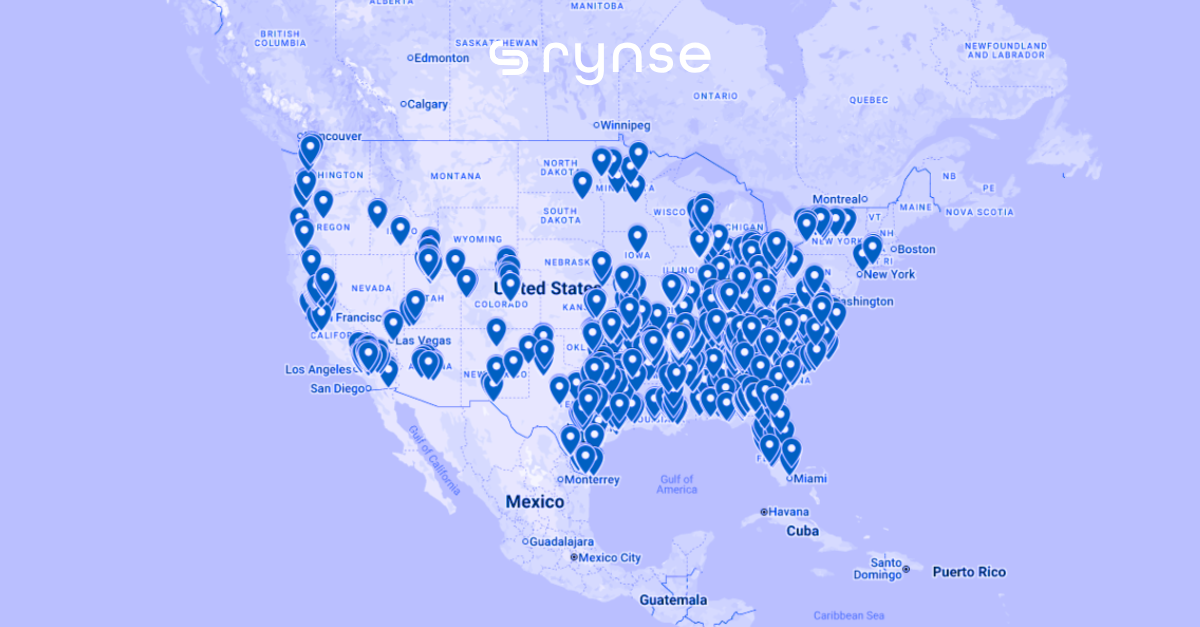
Rynse was built around the way modern fleets operate. Instead of limiting organizations to a single wash location, Rynse connects fleets with thousands of approved wash locations across the country while also offering mobile washing services for vehicles that are best cleaned on-site.
This gives fleet managers the flexibility to choose the right solution based on where vehicles are operating. Drivers can access approved brick-and-mortar wash locations throughout their service area, while larger groups of vehicles can often be cleaned at their own facility through scheduled mobile washing.
Beyond wash access, Rynse helps simplify day-to-day fleet management by bringing wash activity into one platform. Fleet managers can review vehicle-level activity, monitor spending, and receive centralized billing instead of managing invoices from multiple providers. Support for license plate recognition (LPR) and RFID also helps organizations verify approved vehicle activity and maintain better oversight of their wash program.
The result is a cleaner fleet, less unnecessary travel, and a wash program that scales with your organization as it grows.
Frequently Asked Questions
Why isn't one car wash location enough for a fleet?
A single wash location may work for a small fleet operating from one facility, but it often becomes less efficient as vehicles, drivers, and service areas expand. Multiple approved wash locations help reduce travel time, fuel costs, and vehicle downtime by allowing drivers to wash vehicles closer to where they already work.
Is a nationwide wash network only useful for large fleets?
No. Fleets of all sizes can benefit from broader wash coverage. Even organizations operating within one city often have vehicles working in different areas throughout the day. Convenient access to approved wash locations helps drivers spend less time traveling and more time completing their work.
Should fleets use brick-and-mortar or mobile washing?
The answer depends on how the fleet operates. Brick-and-mortar washes are often a good fit for vehicles already traveling throughout a community, while mobile washing can be ideal for vehicles that return to the same facility at the end of the day. Many organizations use both approaches to support different vehicle types and operating schedules.
How does centralized billing help fleet managers?
Centralized billing reduces administrative work by combining wash activity into consistent reporting instead of requiring organizations to manage invoices from multiple wash providers. This makes it easier to review spending, allocate costs, and reconcile billing.
How can fleet managers monitor wash activity?
Modern fleet wash programs provide real-time reporting that shows when and where vehicles are washed. Many programs also support vehicle identification methods such as license plate recognition (LPR) and RFID to help verify approved vehicle activity and improve oversight.
Conclusion
Fleet operations have changed, and vehicle washing should change with them.
A wash program built around a single location may seem simple, but it can create unnecessary travel, higher operating costs, and more administrative work as fleets grow. Giving drivers access to convenient wash locations where they already work helps reduce downtime, improve productivity, and keep vehicles available for service.
At the same time, fleet managers need more than convenient wash access. They also need visibility into wash activity, simplified billing, and the ability to manage the entire program with confidence.
Modern fleet wash programs are designed to provide that balance. By combining broad geographic coverage with centralized reporting and flexible service options, organizations can keep vehicles clean without making washing another operational challenge.
Rynse helps fleets do exactly that. With access to thousands of approved wash locations, mobile washing services, centralized billing, and real-time reporting, organizations can build a wash program that supports the way their fleet operates today while remaining ready for future growth.
Ready to simplify fleet washing?
See how a flexible wash program can help reduce travel, improve visibility, and keep your fleet looking its best.
Get in touch with Rynse
Rynse Team