
Marketing teams design the wraps, pick the colors, and place the logo, phone number, and website on every vehicle in the fleet. How those vehicles look on the road deserves a spot on the marketing team's radar.
Your Fleet Is the Billboard You Already Paid For
Every wrapped vehicle is a moving billboard, and it's often the first impression a prospect gets of the brand — parked at a job site or passing on the highway. The reach is hard to match with anything else the marketing team buys:
- A single wrapped vehicle generates an estimated 40,000 to 70,000 impressions a day, and an intercity vehicle can reach up to 12 million views a year.
- Vehicle graphics deliver one of the lowest costs per thousand impressions of any medium — around $0.48, compared with $3.56 for a billboard and far more for TV.
- Roughly 64% of adults say they noticed a wrapped vehicle in the past month, and vehicle marketing drives about 97% message recall versus 19% for a static ad.
A Dirty Wrap Can't Generate Leads
The team put the phone number, website, and logo on the vehicle for a reason: it's a lead-gen tool. None of that works when a layer of road grime hides the contact info.
- Illegible details mean missed calls and lost web traffic — you can't get leads from a number nobody can read.
- A caked-in wrap undercuts the design work, muddying the colors and softening a logo that was chosen to stand out.
- Grime turns a paid-for advertising asset into a liability that works against the brand at every stoplight.
Cleanliness Is a Brand Impression Every Time
Prospects size up a company in seconds, and a vehicle is often the only touchpoint they'll have that day. A clean, sharp vehicle reads as a business that pays attention to detail. A filthy one sends the opposite message before anyone has spoken to sales.
- Appearance tends to vary a lot from one market or branch to the next, so the brand can look polished in one city and neglected in another.
- Consistency is the whole point of a brand standard, and it shouldn't stop at the edge of the parking lot. Keeping every location looking the same protects the impression customers get everywhere the fleet shows up.
Why Vehicle Appearance Slips Past Marketing
Here's the disconnect: marketing designs the wrap, but the people driving the vehicles usually aren't thinking about the brand. A technician focused on the next job rarely notices — or minds — that the van is caked in dirt.
- Wash habits are inconsistent and rarely tracked, so nobody really owns how the fleet looks day to day.
- Marketing has no visibility into which vehicles are clean and which are overdue, so brand damage happens out on the road with no one watching.
- Without shared data, washing stays a driver-level afterthought instead of a brand standard the marketing team can hold.
How Marketers Can Keep the Fleet Brand-Ready
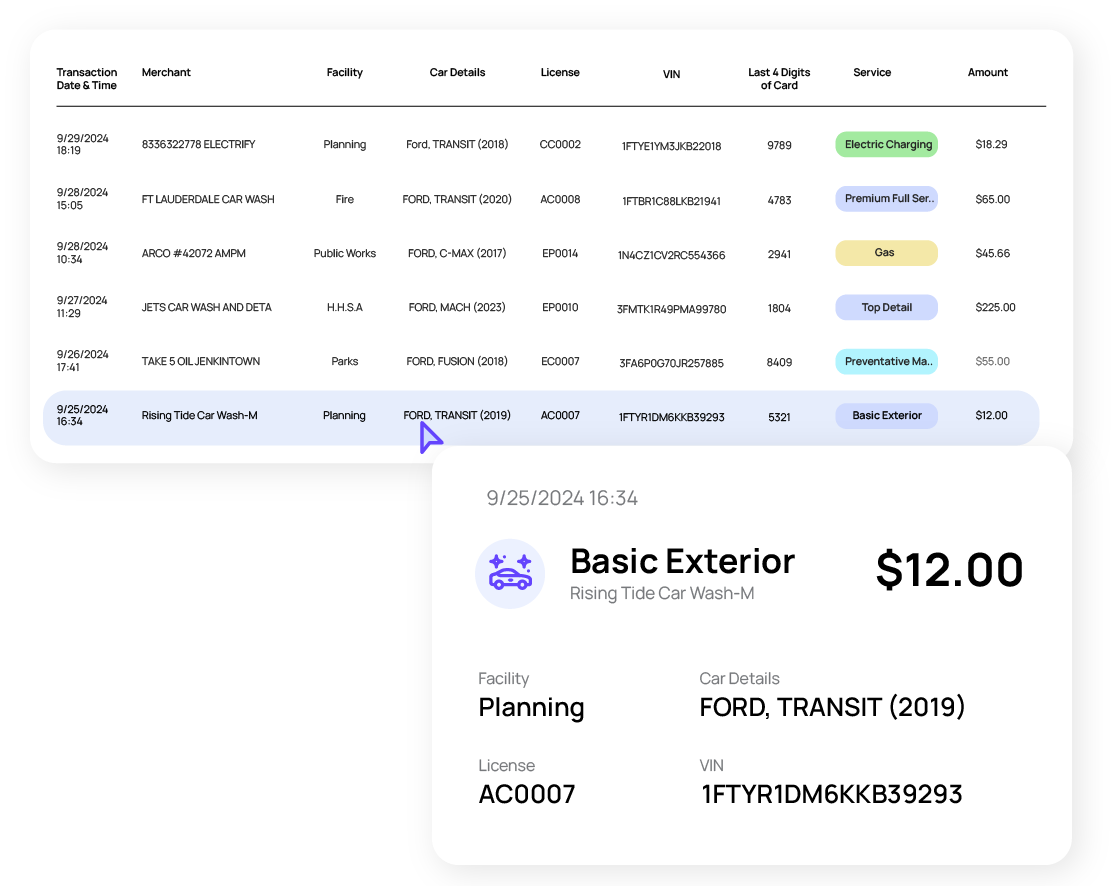
This is where a centralized wash program gives marketing a seat at the table. With Rynse, the appearance of the fleet becomes something you can actually see and manage:
- Monitor wash history across every vehicle and location, so you know the fleet is being kept up instead of hoping it is.
- Flag vehicles that are overdue for a wash before they show up dirty in front of a customer, and track mobile wash visits the same way.
- Keep every unit covered with both mobile wash providers and thousands of brick-and-mortar wash locations nationwide, so clean is always within reach.
- Run it all with centralized billing and customizable spend controls, so the program stays simple for the fleet team while marketing gets the brand consistency it needs.
Frequently Asked Questions
Should marketing really be involved in fleet washing?
Yes. Marketing owns the wrap, the logo, and the brand standard, and the fleet carries all three down the road every day. If no one on the marketing side has visibility into how clean the vehicles are, the brand is being represented with no oversight.
How does a dirty vehicle actually affect lead generation?
The wrap exists to drive calls and web traffic. When grime hides the phone number or website, those leads simply don't come in — and a grimy vehicle also leaves a weaker brand impression on everyone who sees it.
Can one program keep every type of vehicle clean?
It can. Rynse covers cars, vans, trucks, and larger equipment through both mobile washing and brick-and-mortar washing, so mixed fleets stay presentation-ready without juggling separate vendors.
How do we keep vehicles consistent across different locations?
By centralizing wash access and tracking. When every branch draws from the same network and reports into the same view, the brand looks the same in every market instead of depending on local habits.
Turn Every Vehicle Into a Clean, Working Billboard
The fleet is one of the most visible, lowest-cost marketing assets a company owns — but only when it's clean and the message is legible. Giving marketing visibility into wash history turns vehicle appearance from a blind spot into a brand standard you can actually hold.

Rynse Team