
Most fleets don't fall behind on washing because they picked the wrong method. They fall behind because they picked only one.
There are two ways to keep a fleet clean:
- Brick-and-mortar washing runs vehicles through a fixed commercial wash location.
- Mobile washing brings the crew and equipment to the yard or job site.
Some vehicles stay at a depot, while others run routes all day. The fleets that stay clean without slowing down tend to use both.
Why Fleets Don't Have to Pick One Method
Mobile washing and brick-and-mortar washing solve different problems. Running both means the fleet isn't forced to compromise.
- Vehicles that rarely leave a depot get washed on-site, no trips required.
- Vehicles on active routes wash at locations along the way.
- Oversized or specialty units are washed where they park.
- Coverage stretches across regions instead of one address.
When Mobile Washing Does the Heavy Lifting
Mobile washing brings the crew and equipment to the fleet. It shines when vehicles are hard to move or clustered in one place.
- Large depots where dozens of vehicles park overnight.
- Heavy or grounded equipment that isn't worth driving to a wash.
- Recurring schedules that keep a whole yard on a steady cadence.
- Sites far from a commercial wash.
For a closer look at the tradeoffs, see when mobile washing makes sense.
When Brick-and-Mortar Washing Wins
Brick-and-mortar washing is built for speed and reach. It works best when vehicles are already moving.
- Daily drivers who can stop on the way to a route.
- Fast, in-and-out washes with no appointment.
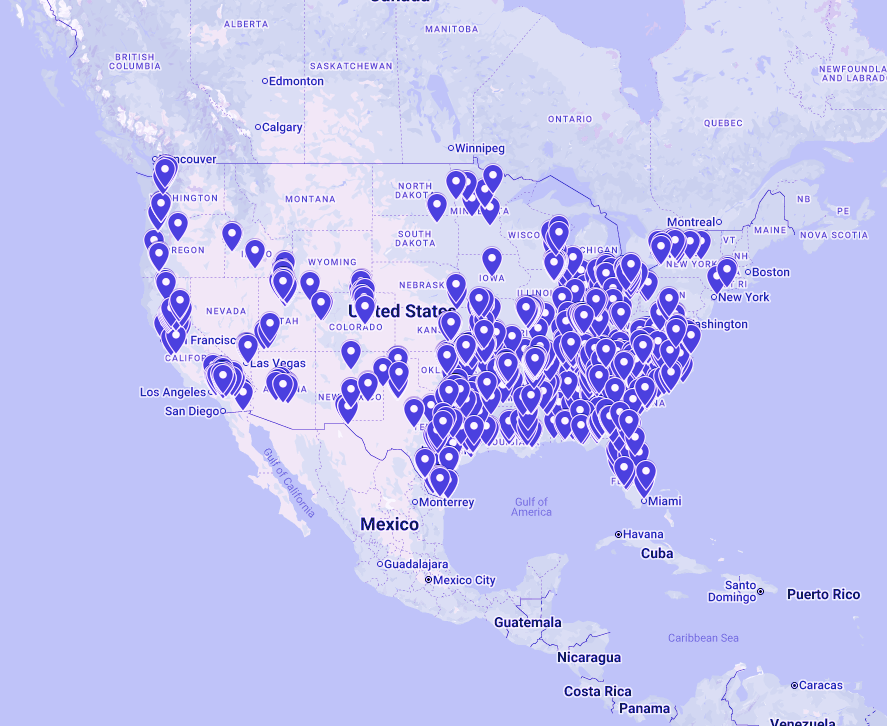
- Coverage near almost any address, backed by a nationwide wash network.
- On-demand cleaning between scheduled mobile visits.
The full side-by-side lives in mobile vs. brick-and-mortar washing.
How the Two Methods Work Together
The strongest programs layer the two on a simple rhythm.
- Mobile wash visits handle the yard on a set schedule.
- Brick-and-mortar washes cover vehicles out on routes.
- Drivers wash near their location instead of crossing town, which helps reduce driver downtime.
- Specialty units get the method that suits them, so one program supports every vehicle type.
One Program, One Bill, Full Visibility
Running two methods used to mean two sets of invoices, vendors, and headaches. Combining them under one platform removes that.
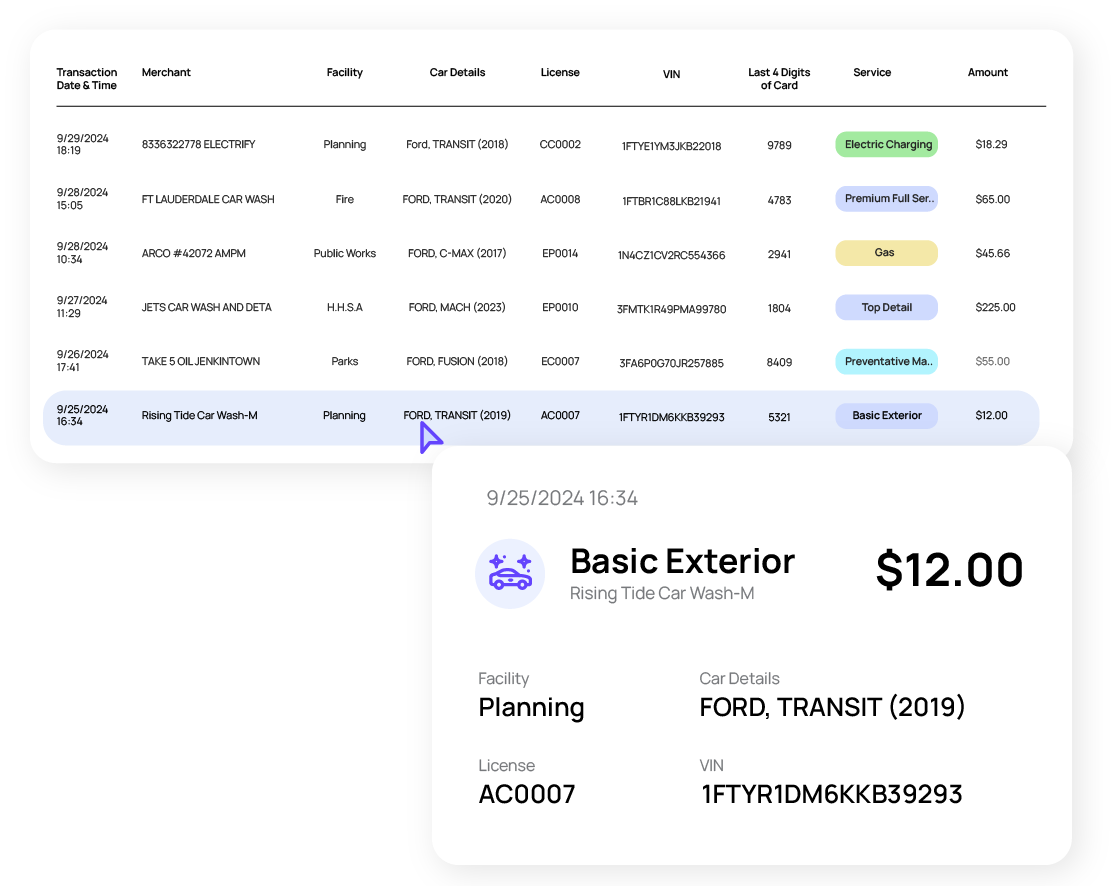
- Centralized billing rolls every mobile and brick-and-mortar wash into a single invoice.
- Customizable spend controls keep each method inside budget.
- Built-in fraud monitoring flags charges that don't look right.
- Real-time reporting shows what got washed, where, and when, across both methods.
Frequently Asked Questions
Can one fleet really use both washing methods at once?
Yes. Many fleets run mobile washing for depot vehicles and brick-and-mortar washing for vehicles on the road, all under one Rynse program.
Does combining methods cost more?
Not by default. The goal is matching each vehicle to the method that cleans it most efficiently, which often lowers total cost by cutting travel and idle time.
How is billing handled across both?
Every wash flows into one centralized invoice, so there's no juggling separate vendors or statements.
What if a vehicle's needs change?
The mix is flexible. A vehicle can shift between mobile and brick-and-mortar washing as routes or locations change, without setting up a new program.
Coverage That Follows Every Vehicle
No single washing method fits an entire fleet, and it doesn't have to. Pairing mobile washing with brick-and-mortar washing keeps every vehicle clean on its own terms. Running both through one platform keeps the billing, controls, and reporting simple.

Rynse Team