
As a pest control company grows, each branch often handles vehicle washing on its own: a nearby car wash at one location, technician reimbursements at another, a mobile wash crew at a third. Over time, no two branches wash the same way.
Centralizing washing into one program keeps every branch consistent, while giving leadership a single view of activity and spend.
Where Multi-Branch Fleet Washing Breaks Down
Each branch solving washing on its own seems harmless. Across a growing company, the cracks add up fast.
- Stacks of invoices from different wash providers
- Prices that vary from one branch to the next
- Little visibility into which vehicles get washed, and how often
- Extra admin work landing on local managers
- Wash standards that are hard to hold from the top
- Technician hours lost driving across town to a wash
On their own, each is minor. Multiplied across locations, they turn into real cost and a blind spot.
Service Vehicles Are Rolling Billboards
For many customers, the service vehicle is the first thing they see pulling into the driveway. A clean, professional truck does quiet marketing at every stop.
A consistent standard reinforces:
- Trust: a well-kept vehicle signals a well-run company
- Professionalism at every customer stop
- Attention to detail, the trait customers hire for
- Brand consistency across every market
That standard is hard to hold when every branch cleans its vehicles a different way, or skips it when the nearest wash is across town.
Centralize the Program, Keep Local Flexibility
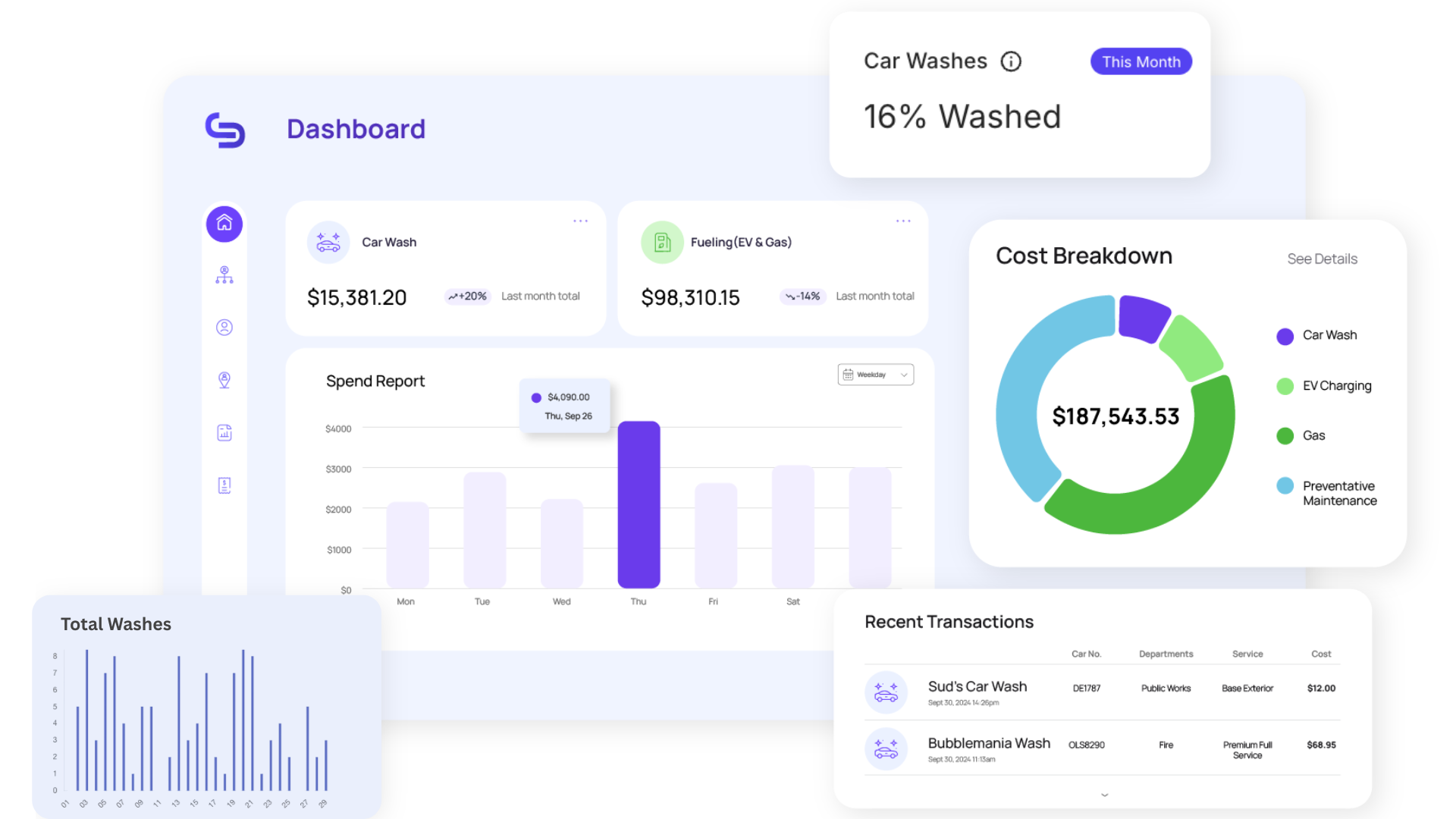
A centralized program gives leadership a single view of washing while each branch keeps using the wash locations that fit its routes.
A centralized wash program lets the organization:
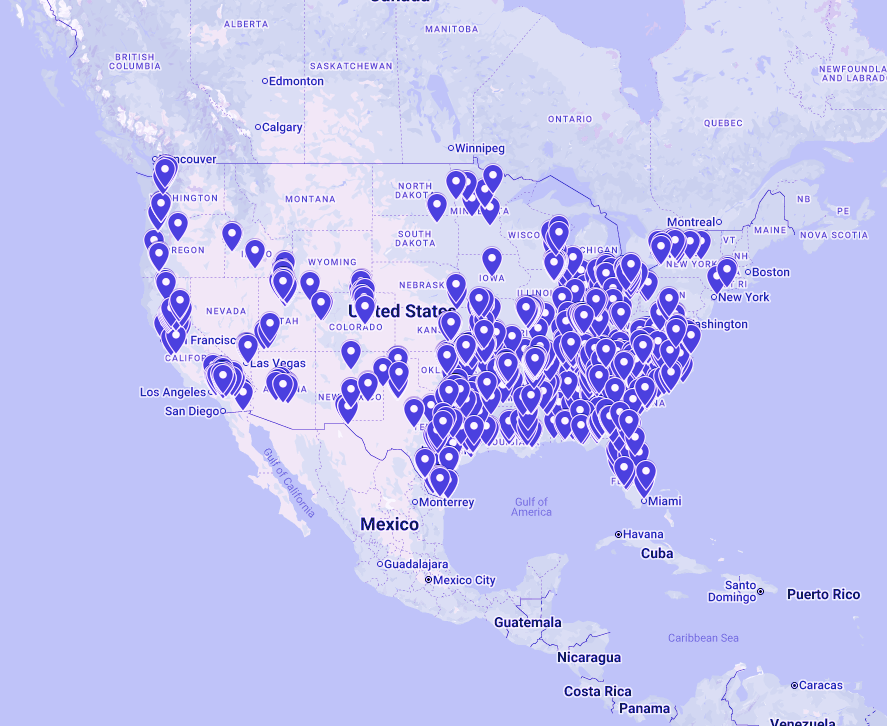
- Reach thousands of wash locations that fit each route
- Consolidate billing onto one statement
- Track wash activity in real time, by branch or vehicle
- Set spend controls by branch, department, or vehicle
- Cut the admin load on local operations teams
Branches keep their flexibility. Leadership gains visibility across the whole company.
Protect Technician Productivity
Technician productivity is one of the most important numbers in pest control operations. Every hour on the schedule counts.
When a technician drives across town to wash a truck, that time isn't spent serving customers. The fuel, wear, and driver downtime add up, even though they rarely show up as a line item.
- Brick-and-mortar washing along the route, for vehicles already on the road
- Mobile washing at the yard, for vehicles parked overnight
- Less time chasing a wash, more time on the schedule
A Wash Program That Scales
What works for one branch rarely survives the jump to 20.
As pest control companies grow through new locations and acquisitions, fleet washing benefits from the same standardization already applied to fuel, maintenance, and procurement.
- Standardize once, so every new branch plugs into a program that already works
- Fold in acquired fleets without stitching together new vendors
- Keep one consistent customer experience as the map grows
Companies that centralize washing tend to gain better visibility, less admin work, and a more consistent customer experience at every branch.
One Wash Program for Every Branch
Fragmented washing is easy to miss and expensive to keep: more invoices, uneven standards, and no clear view of the whole.
Centralize the program and give branches nearby wash access, and the payoff is clean, professional vehicles and one clear picture across every location.
Frequently Asked Questions
How can washing be standardized across branches without taking control from local managers?
A centralized program sets pricing, spend rules, and reporting at the top, while branches pick the nearby wash locations that fit their routes.
Does every branch have to use the same wash location?
No. Branches wash wherever's convenient, whether brick-and-mortar washing along the route or mobile washing at the yard, while billing and reporting still roll up centrally.
How does billing work across multiple branches?
Every wash consolidates into one itemized statement, so stacks of vendor invoices become a single bill that still breaks out by branch.
Can spending be controlled by branch?
Yes. Set limits by branch, department, or vehicle, with built-in fraud monitoring that flags off-pattern washes early.

Rynse Team