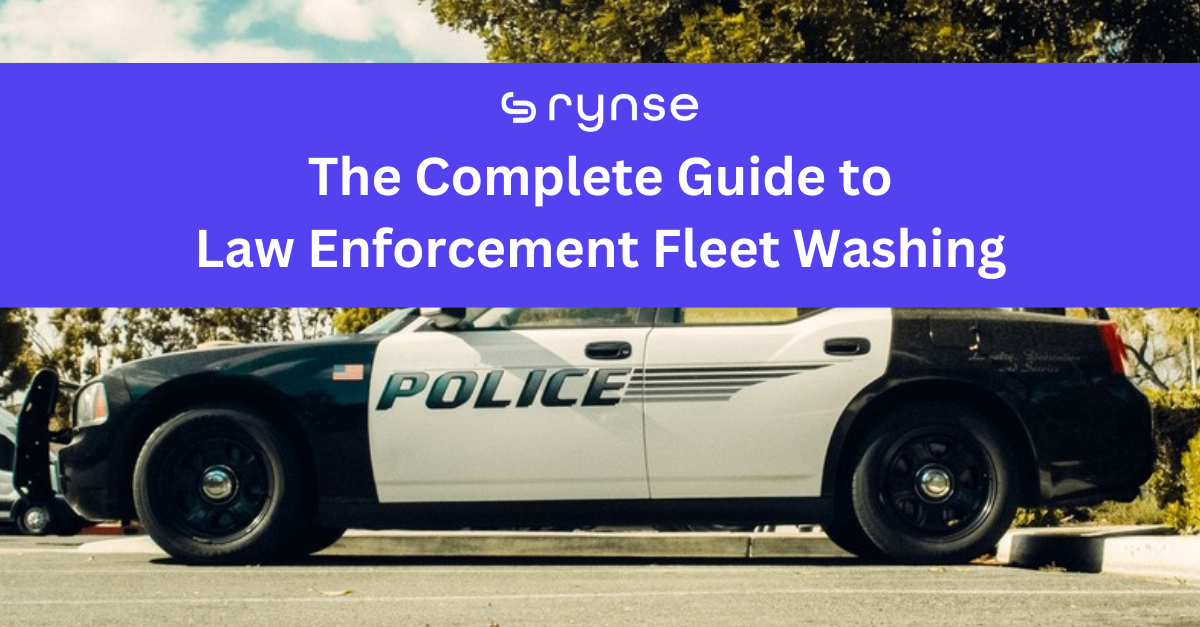
Between long shifts and heavy daily use, patrol vehicles need consistent cleaning to stay in service. This guide covers why law enforcement fleet washing matters, what a modern wash program looks like, and how agencies simplify wash access across every shift.
Why Patrol Vehicle Washing Matters
Clean cruisers do more than look sharp. They protect the department's image and the vehicles themselves.
- Public trust: a clean cruiser reflects a professional, well-run department in every community interaction.
- Vehicle longevity: washing removes road salt, brake dust, and grime that speed up corrosion and paint damage.
- Uptime: a fast, nearby wash keeps officers on patrol instead of driving across town.
The Hidden Cost of a Single Wash Bay
Many agencies still lean on one wash bay at the motor pool or a single nearby car wash. That setup backs everything up.
- Patrol cars can log 100,000 miles a year across three shifts, so a single bay stays busy.
- One closed or backed-up location sends drivers across town and off their beat.
- Downtime isn't only a maintenance line item; every idle cruiser is a gap in patrol coverage.
A wash network that helps reduce patrol downtime spreads washes across many nearby sites instead of one.
What a Modern Law Enforcement Wash Program Looks Like
A modern program trades scattered receipts and petty cash for one connected system.
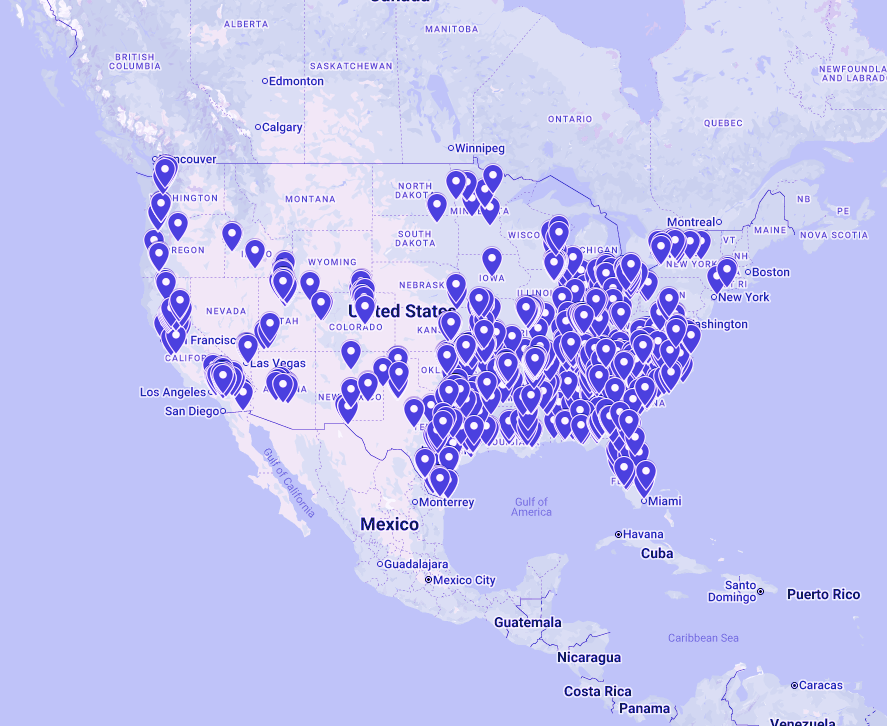
- Access to a nationwide wash network so vehicles wash close to where they operate.
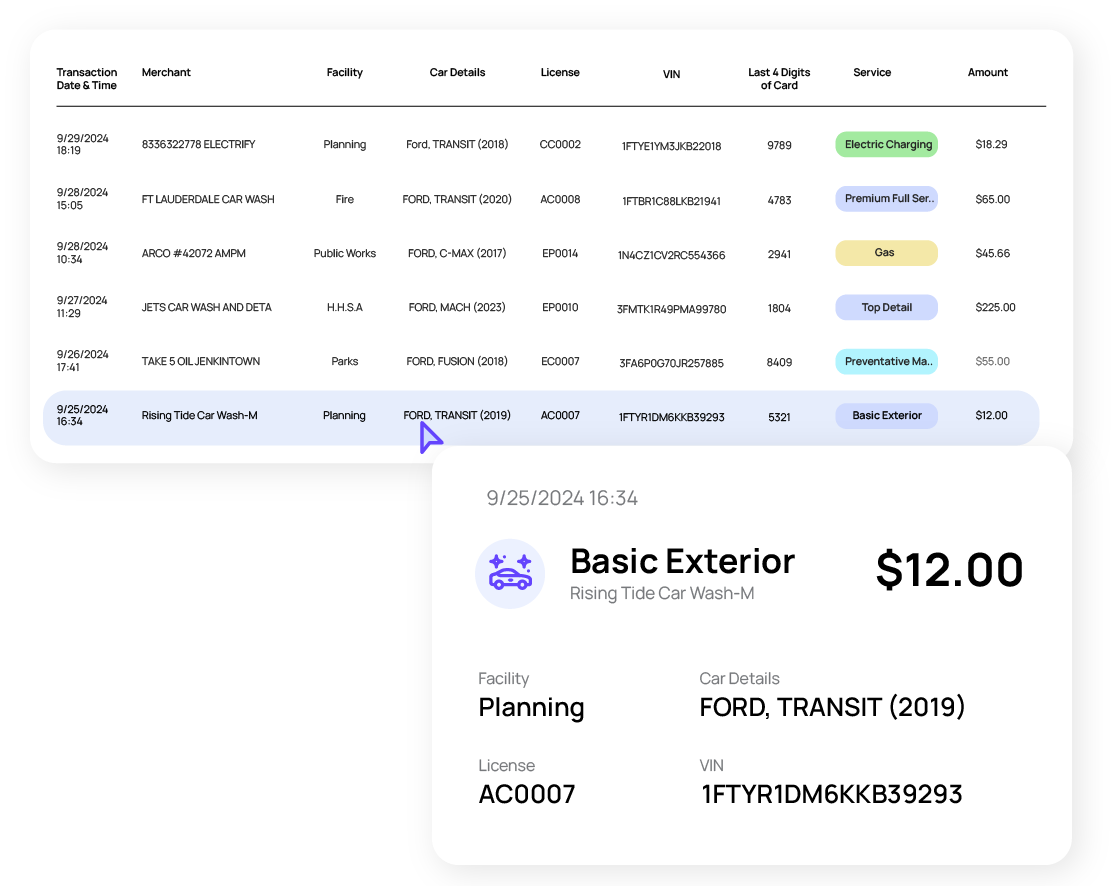
- Centralized billing that replaces petty cash with one itemized invoice.
- Real-time reporting on every wash: which vehicle, when, and where.
- Customizable spend controls and built-in fraud monitoring keep usage in policy.
Mobile and Brick-and-Mortar Washing for Every Vehicle
Agencies run marked cruisers, unmarked units, SUVs, transport vans, and specialty vehicles. One method rarely fits all.
- Brick-and-mortar washing handles routine, high-volume cleaning near patrol zones.
- Mobile washing brings the wash to the motor pool for vehicles that can't leave the yard — see when mobile washing makes sense.
- Many agencies combine both methods to cover every vehicle type.
Rynse connects fleets to both mobile wash providers and thousands of brick-and-mortar wash locations nationwide. License plate recognition can even help keep unmarked units discreet at the wash.
Frequently Asked Questions
How often should patrol vehicles be washed?
It depends on climate and use, but high-mileage cruisers often need frequent washing to control salt, grime, and road buildup.
Who pays for washes across different locations?
With centralized billing, every wash rolls into one itemized invoice, so there's no petty cash or scattered receipts to reconcile.
Can one program cover marked and unmarked vehicles?
Yes. A single program can cover marked cruisers, unmarked units, and specialty vehicles, with access set up to keep sensitive units discreet.
Does Rynse work at any car wash?
Rynse works at standard car washes and unlocks added benefits across its nationwide network of participating brick-and-mortar and mobile providers.
Cleaner Patrol Fleets, Less Time Off the Road
A connected wash program keeps cruisers clean and vehicles on patrol — without the paperwork of managing a dozen locations by hand.

Rynse Team