
Law enforcement and investigative units run vehicles that can't show up on an outside vendor's screen. Rynse's Unmarked Vehicle Mode lets those vehicles use the same nationwide wash network without exposing which vehicles they are, while administrators keep full records internally.
Why Sensitive Fleets Need a Different Approach
An undercover vehicle loses its value the moment it's identifiable. Every outside touchpoint is a place that identity can slip out:
- A wash vendor's technician list that shows plates or unit numbers
- A work order or receipt that ties a vehicle back to an agency
- Stored service history that maps sensitive vehicles over time
The risk is real. Agencies have raised concerns that routine exposure can compromise unmarked vehicles used for surveillance and investigations, so anything that touches an outside provider deserves a closer look.
What Unmarked Vehicle Mode Does
The feature keeps sensitive vehicles usable without making them visible:
- Hides sensitive vehicles from technician-facing vehicle lists
- Verifies service authorization through photo-based matching, not identifying data
- Keeps identifying details out of stored records
- Obscures wash history tied to sensitive fleet activity
Behind the scenes, administrators keep secure access to vehicle records and service history inside the Rynse platform, so nothing is lost on the management side.
Built for Law Enforcement and Investigative Fleets
Unmarked Vehicle Mode fits the mix most agencies actually run:
- Patrol, administrative, unmarked, and undercover vehicles under one program
- The same access the fleet already knows — plate reads, tags, or cards
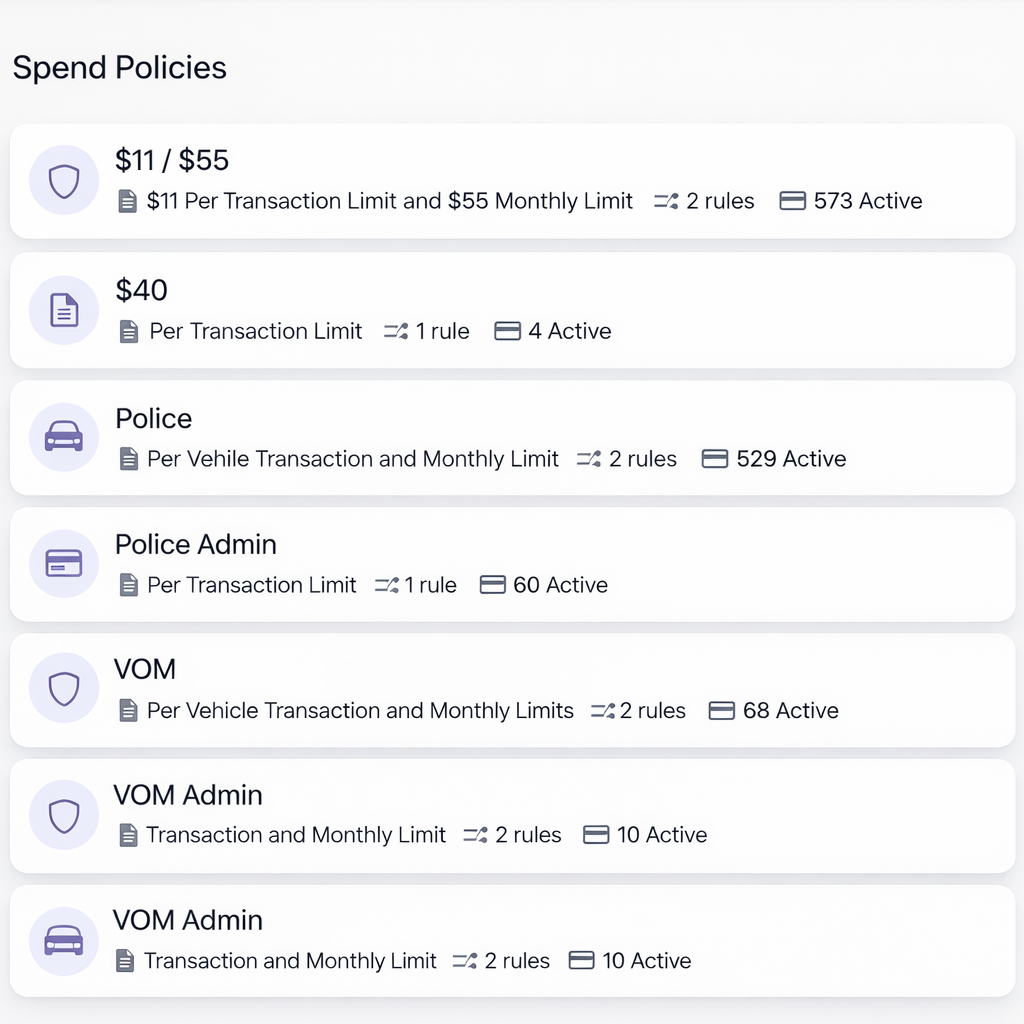
- Pairs with spend controls like express-only washes, per-transaction caps, and monthly wash allowances
- Internal wash history for accountability, without external exposure
It's the kind of control that helps agencies wash closer to patrol routes and reduce driver downtime, since one wash location isn't enough for a fleet spread across a city.
The Rest of the Program Runs Regularly
Turning on Unmarked Vehicle Mode doesn't change how the program works day to day:
- One centralized invoice with centralized billing
- Real-time reporting for administrators
- Access across both mobile wash providers and thousands of brick-and-mortar wash locations nationwide on one nationwide wash network
- The flexibility to mix mobile and brick-and-mortar washing by vehicle
Frequently Asked Questions
What is Unmarked Vehicle Mode?
It's a privacy feature that lets fleets wash sensitive vehicles without exposing their identity to outside service providers, while administrators keep full internal records.
Who is it for?
Law enforcement, investigative units, and any fleet running vehicles that must stay unidentifiable to vendors.
Can administrators still see wash history?
Yes. Identifying data is hidden from technicians and kept out of stored vendor records, but admins keep secure access to full vehicle records and service history in the platform.
Does it work with the whole wash network?
Yes. Sensitive vehicles use the same nationwide network of mobile and brick-and-mortar washes as the rest of the fleet.
Privacy for Sensitive Vehicles, Visibility for Admins
Sensitive vehicles need to stay clean and stay hidden at the same time.
Unmarked Vehicle Mode keeps identity out of vendor systems while giving administrators the full record they need to run the program — the privacy of a covert asset with the visibility of a managed fleet.

Rynse Team