
Fleet washing rarely comes with a single sticker price. What lands on the invoice depends on how many vehicles roll through, how often they wash, and what kind of vehicles they are.
Bulk wash pricing is how providers reward volume: lower rates in exchange for steady, predictable washing. Here's how it works, and how to make it work for the fleet.
How Bulk Wash Pricing Works
Most providers start with a base per-wash rate, then discount it as volume climbs.
- The base rate covers a single wash at standard pricing.
- Volume tiers lower that rate as more vehicles wash.
- Recurring schedules lock in the discount.
- The more predictable the demand, the better the price.
The trade is simple: providers give up margin per wash because steady volume is easier to plan and staff for. It's the same reason the cheapest wash isn't always the lowest-cost program.
Why Bigger Fleets Pay Less Per Wash
Volume is the single biggest factor in the rate.
- Fixed setup costs spread across more vehicles.
- Larger commitments earn deeper discount tiers.
- Providers reward guaranteed, steady demand.
- A 5-vehicle fleet and a 200-vehicle fleet rarely pay the same rate.
That's why counting only the sticker price misses the real math. The bigger costs are often driver travel time and the downtime a good program removes.
Frequency Changes the Math
How often vehicles wash matters as much as how many.
- Weekly or biweekly washing costs less per vehicle than one-off visits.
- Moving from monthly to weekly can meaningfully lower the per-wash rate.
- Steady schedules help providers plan labor and equipment.
- Consistent washing also protects paint and resale value.
Regular washing does more than trim the rate; it keeps vehicles ready to work. See how a network can reduce driver downtime at the same time.
Prepaid Plans vs. Pay-As-You-Go
Bulk pricing often comes in two shapes.
- Prepaid packages trade an upfront commitment for a lower rate.
- Pay-as-you-go keeps flexibility but pays standard pricing.
- Prepaid works best for fleets with steady, predictable wash needs.
- The right mix depends on how consistent washing really is.
Why One Rate Rarely Covers Every Location
Wash pricing isn't uniform. There's often one price at one location and a completely different price at another.
- Local labor and water costs shift pricing by region.
- Brick-and-mortar washing and mobile washing price differently.
- Without a network, every site is a separate negotiation.
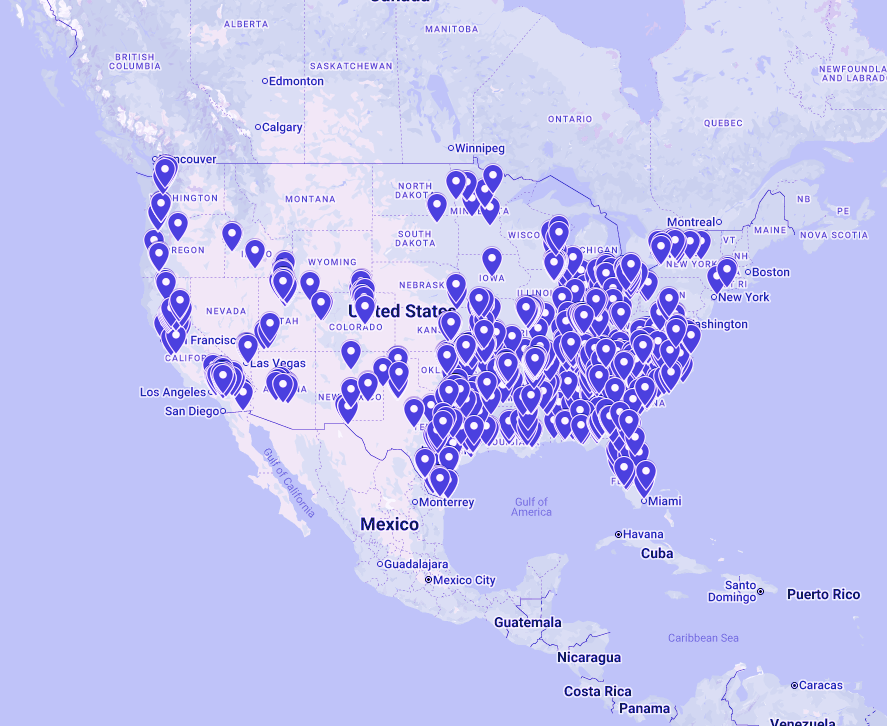
- Rynse rolls it all into one program and one set of rates.
The flexibility to pick the right method matters too. Here's when mobile washing makes sense, and how the nationwide wash network keeps options open.
How Rynse Makes Bulk Wash Pricing Simple
Rynse is the fleet wash platform. It connects fleets to both mobile wash providers and thousands of brick-and-mortar wash locations nationwide, then handles the pricing, billing, and oversight in one place.
- One program spans both mobile washing and brick-and-mortar washing.
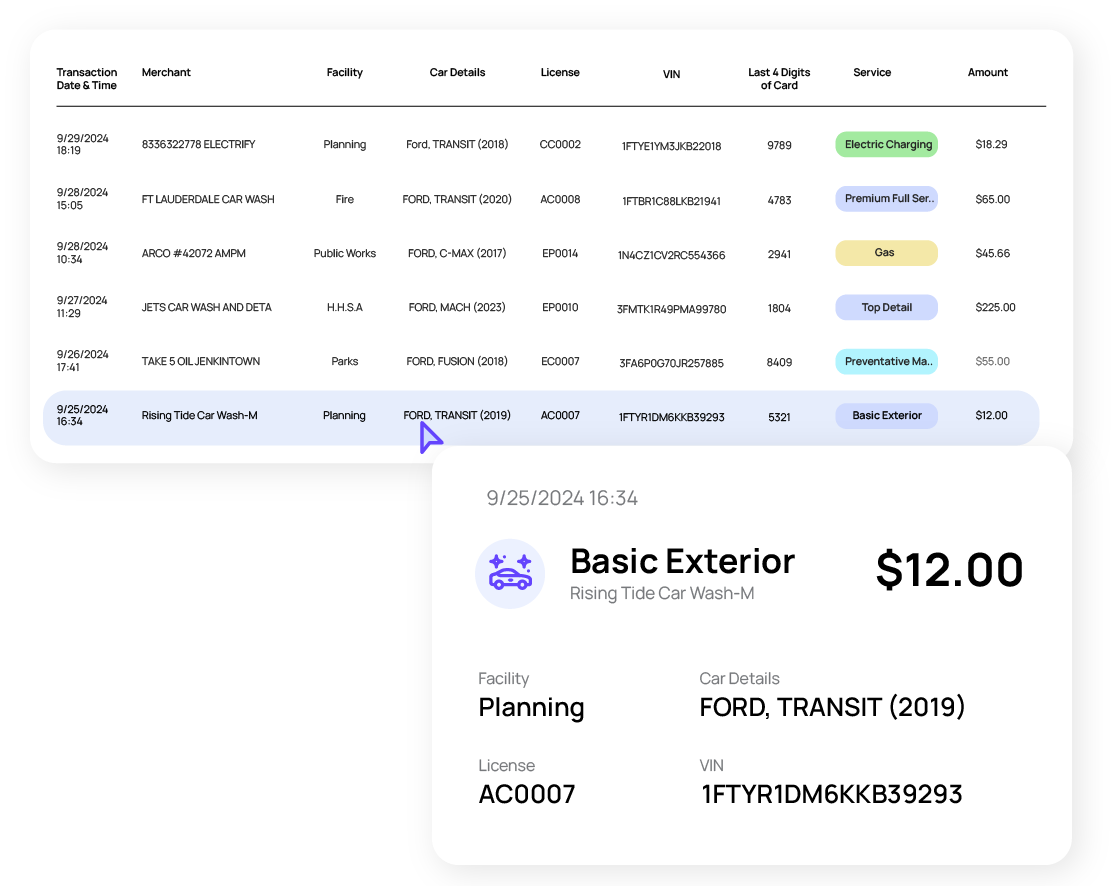
- Centralized billing rolls every wash into a single invoice.
- Customizable spend controls cap what each vehicle or driver can spend.
- Built-in fraud monitoring flags washes that don't add up.
- Real-time reporting shows exactly where the wash budget goes.
Frequently Asked Questions
What is bulk wash pricing?
It's volume-based pricing. Providers lower the per-wash rate as a fleet washes more vehicles or commits to a regular schedule.
Does washing more often really lower the cost?
Yes. Weekly or biweekly washing usually costs less per vehicle than occasional one-off washes, because steady demand is easier for providers to plan around.
Do all vehicles cost the same to wash?
No. A sedan washes faster and cheaper than a box truck or a heavy-duty vehicle, so the vehicle mix shapes the blended rate.
Can one program cover different locations and vehicle types?
Yes. Rynse connects fleets to both mobile wash providers and thousands of brick-and-mortar wash locations nationwide, under one set of prices and controls.
Smarter Pricing for Every Wash
Bulk wash pricing rewards fleets that wash steadily and plan ahead. The rate drops as volume and frequency rise, and the savings compound across every vehicle.
The hard part is managing all of it, across markets, methods, and vehicle types. Rynse turns that into one program, one invoice, and one clear view of the spend.

Rynse Team