Every fleet manager has lined up wash prices and picked the lowest one, but the price on a single wash and the lowest total cost are often two different numbers.
Driver travel, downtime, uneven quality, and juggling separate vendors all add up — which is the same reason one wash location isn't enough for a fleet that's actually on the road.
What the Cheapest Price Leaves Out
A low per-wash price covers the wash itself. Here's what it ignores:
- Driver time spent traveling to and from a distant low-cost location
- Vehicles sitting idle instead of running routes
- Uneven results that mean a rewash or a hand touch-up
- A separate invoice and login for every wash vendor
- No spend controls, so overspending is hard to catch
Add those up and the cheap wash starts to look expensive.
Driver Time Is the Real Price Tag
The biggest cost usually isn't the wash. It's the hours around it.
- A wash across town can burn 30 to 45 minutes of paid driver time per trip
- Across a fleet washing every week, that labor adds up fast
- Every minute driving to a wash is a minute the vehicle isn't working
Washing closer to where vehicles already operate cuts that travel down — the same math behind what driver travel really costs and how the right network reduces driver downtime.
Cheap Washes Create Expensive Admin
One low price at one location sounds simple. Managing a dozen of them isn't.
- Separate bills, terms, and contacts for each wash vendor
- Manual receipt matching and expense reconciliation
- Little visibility into who washed what, where, and how often
- No easy way to flag a wash that shouldn't have happened
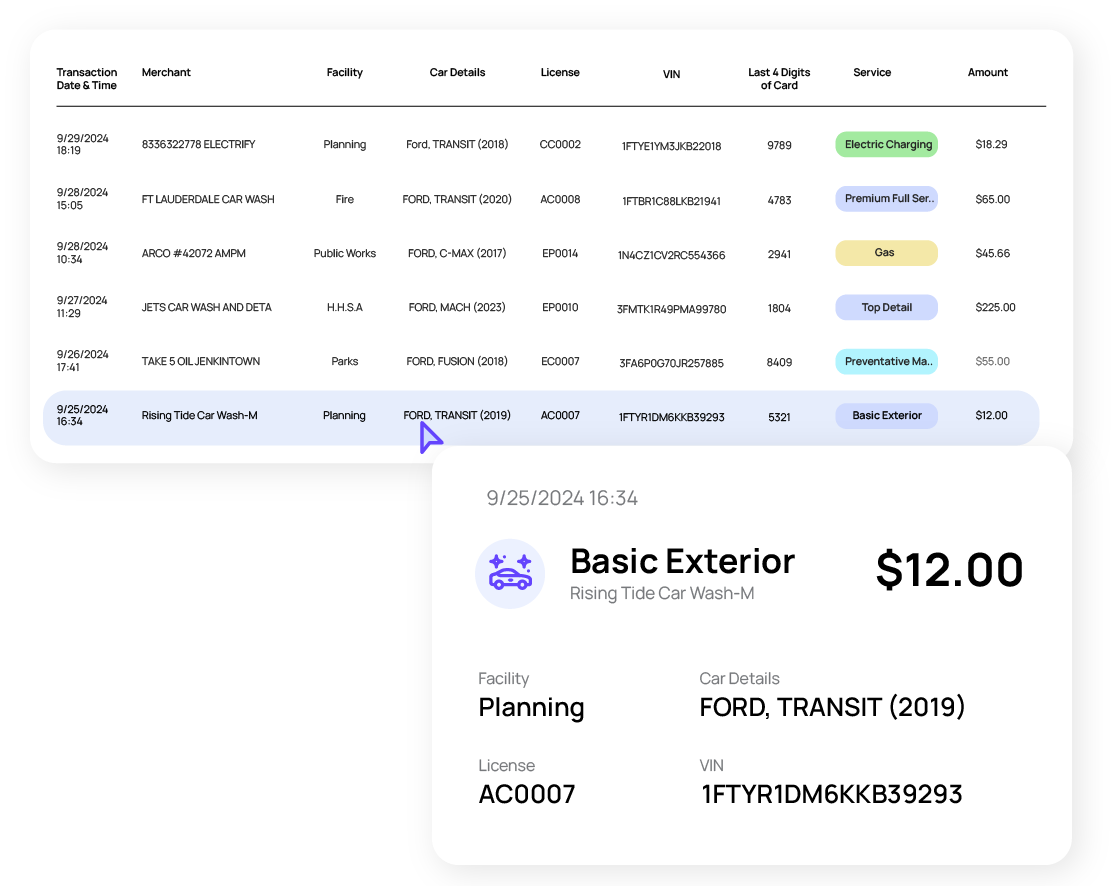
Centralized billing and real-time reporting replace all of that with one view.
A Wash Program Beats a Single Low Price
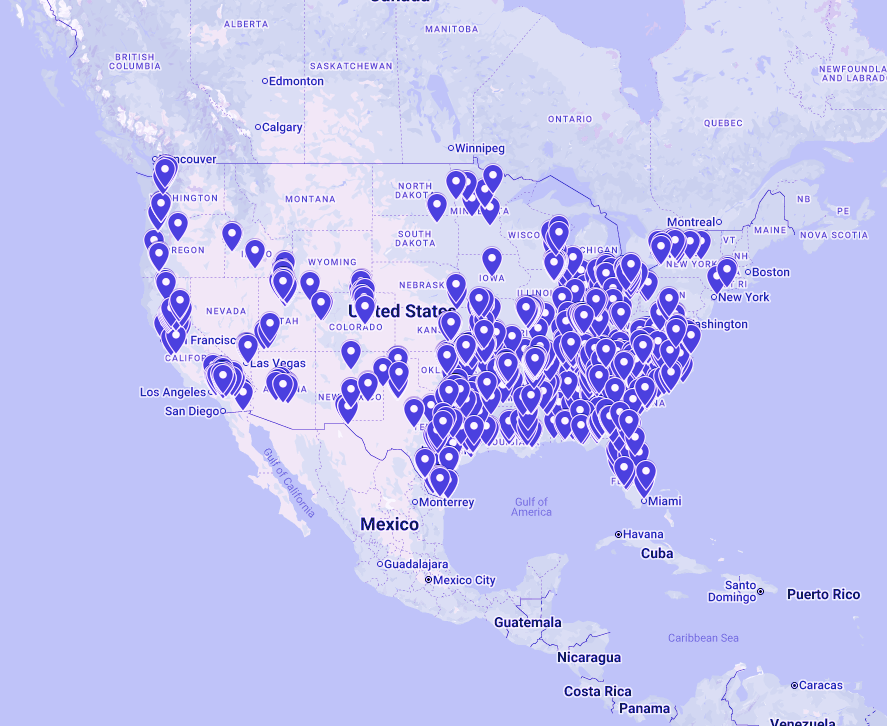
Rynse is built around total wash cost, not the number on one location's sign. One platform covers both mobile wash providers and thousands of brick-and-mortar wash locations nationwide, so the fleet washes where it makes sense and pays for all of it in one place.
- One centralized bill instead of a stack of separate invoices
- Customizable spend controls that keep every wash inside policy
- Built-in fraud monitoring that flags washes that don't add up
- Washing closer to routes, so drivers spend less time traveling
- The flexibility to mix mobile and brick-and-mortar washing by vehicle and location
It all runs on one nationwide wash network, so a lower total cost doesn't mean fewer places to wash.
Frequently Asked Questions
Is the cheapest car wash ever the right call for a fleet?
Sometimes — if it's close to the routes and the quality holds up. The point is to compare total cost, not just the price on the sign. A slightly higher wash that saves driver time often wins.
What hidden costs should fleets factor in?
Driver travel and downtime, uneven quality that leads to rewashes, and the admin work of paying and tracking multiple vendors. Those usually outweigh small differences in per-wash price.
How does wash location affect cost?
A wash far from where vehicles operate adds paid travel time on every trip. Washing closer to routes keeps drivers working and lowers the real cost per wash.
How does Rynse lower total wash cost?
By combining mobile washing and brick-and-mortar washing on one platform, with centralized billing, customizable spend controls, and fraud monitoring — so the fleet controls the full cost, not just the sticker price.
The Lowest-Cost Wash Program, Not the Cheapest Wash
Chasing the lowest price on a single wash usually trades a small saving for bigger costs elsewhere.
The fleets that spend the least look at the whole picture — travel, downtime, quality, and admin — instead of the number on the sign. It's the difference between a cheap wash and a low-cost program.

Rynse Team