
Getting the vehicle to the car wash — the miles driven, the driver's time, the hours spent off route — often adds up to more than the wash itself.
When a vehicle leaves its route to find a wash across town, the fleet pays in fuel, wages, wear, and lost uptime. Those costs never show up on the wash receipt, so they slip by. Here's what sending drivers across town actually costs — and how to shrink it.
The Real Cost Isn't the Wash — It's the Trip
Every off-route wash trip carries four costs that rarely get counted:
- Fuel and mileage — every extra mile burns fuel and adds to operating cost.
- Driver wages — time spent driving to a wash is time not spent on the job.
- Vehicle wear — more miles mean faster depreciation and more maintenance.
- Lost uptime — a vehicle heading to a wash isn't serving customers or the community.
Fuel and Mileage Add Up Fast
The IRS set the 2026 business mileage rate at 76 cents a mile — a handy stand-in for what each mile really costs to drive. Operating a government fleet vehicle runs about 27 cents a mile in fuel, maintenance, and wear alone.
Run the math on a detour:
- A 20-mile round trip to a wash can cost roughly $15 in mileage before anyone touches a sponge.
- Multiply that across a fleet washing every week and the miles stack into thousands of dollars a year.
- Older units cost even more — vehicles over 10 years old can run up to 35% more per mile.
Labor Is the Hidden Line Item
Driver time is often the biggest cost of a wash trip, and the easiest to miss.
- Fleet drivers and technicians earn around $27 an hour before benefits; loaded with overhead, the real cost is closer to $35 to $40 an hour.
- A wash run that eats an hour of driving and waiting can cost more in wages than the wash itself.
- Multiply by every vehicle, every week, and labor becomes the largest slice of the bill.
Downtime Costs More Than the Miles
When a vehicle leaves its route, it stops doing its job. For many fleets that lost productivity dwarfs fuel and labor combined, and it adds to driver downtime.
- Industry estimates put vehicle downtime at $448 to $760 a day per vehicle.
- The average vehicle already loses close to nine days a year to unplanned downtime — voluntary wash detours only pile on.
- For a patrol car, utility truck, or delivery van, time off-route is service the fleet can't get back.
How Rynse Shrinks the Trip
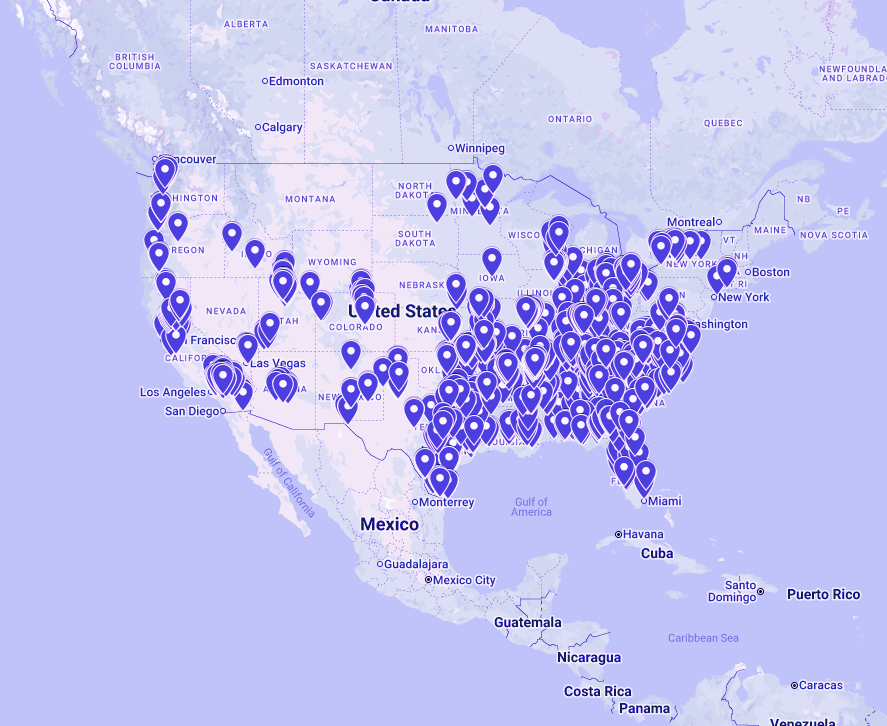
Rynse is the fleet wash platform built to keep vehicles close to where they already operate, backed by a nationwide wash network. Instead of sending drivers across town, Rynse connects fleets to both mobile wash providers and thousands of brick-and-mortar wash locations nationwide.
- Wash closer — drivers use the nearest approved location instead of one fixed site, cutting miles and minutes.
- Bring the wash to the fleet — mobile washing cleans vehicles on-site, so they never leave the yard.
- One bill, less admin — centralized billing rolls every wash into a single itemized invoice.
- Spend stays in check — customizable spend controls and built-in fraud monitoring flag misuse before it adds up.
- See it in real time — real-time reporting shows every wash as it happens.
Frequently Asked Questions
What's the Biggest Hidden Cost of a Wash Trip?
Usually driver labor and lost uptime. The wage and productivity cost of time spent off-route almost always outweighs the price of the wash itself.
How Do I Estimate Driver Travel Cost?
Multiply the round-trip miles by the cost per mile, add the driver's loaded hourly wage for the time it takes, then factor in the value of the uptime lost.
Does Mobile Washing Really Save Money?
When a fleet sits in one place, mobile washing removes the trip entirely — no fuel, no travel wages, no downtime for the drive.
How Does Rynse Reduce Travel Cost?
By giving drivers thousands of nearby wash options plus on-site mobile washing, Rynse keeps vehicles near their routes and off the road less.
Every Mile Back Is Money Back
The cheapest wash on paper can be the priciest once the trip is counted. Cut the travel, and the savings land in fuel, wages, and uptime all at once.

Rynse Team


