Most fleets run a mix of vehicles — sedans, vans, box trucks, heavy equipment. Keeping all of them clean takes a wash program built around access to different options, not a single wash bay.
With that flexibility in place, one program can cover an entire mixed fleet, matching each vehicle to the wash that fits it.
Why Mixed Fleets Need More Than One Wash Option
Vehicles differ in size and in where they spend the day. That shapes how each one is easiest to wash.
- Heavy trucks and equipment are too large for many standard wash bays.
- Vehicles staged at a yard or job site can't easily break away for a wash trip.
- Everyday cars and vans run quickly through a nearby wash location.
- Vehicles in snow-and-salt regions need frequent washes to hold off corrosion.
Push an entire mixed fleet through one wash setup and something gets left out. Relying on a single wash location forces that compromise every time.
Matching the Method to the Vehicle
There's no single best option — there's the right option for each vehicle.
- Brick-and-mortar washing suits everyday cars, vans, and pickups near their routes.
- Mobile washing suits vehicles parked at the yard or too big for a standard bay.
- Most mixed fleets lean on both, matched to how each vehicle actually operates.
Want the trade-offs in depth? See how to compare the two washing methods side by side.
Where Mobile Washing Fits In
Some vehicles just don't belong in a drive-through bay.
- Heavy equipment and oversized trucks too large for a standard tunnel.
- Vehicles parked at a depot or job site for most of the day.
- Fleets that can't spare drivers for round-trip wash runs.
For those, mobile washing keeps vehicles clean without pulling them off the job — and cuts the driver downtime that travel-to-wash trips create.
What Ties One Program Together
The washing method is only half of it. The other half is running everything as one program instead of a stack of separate accounts.
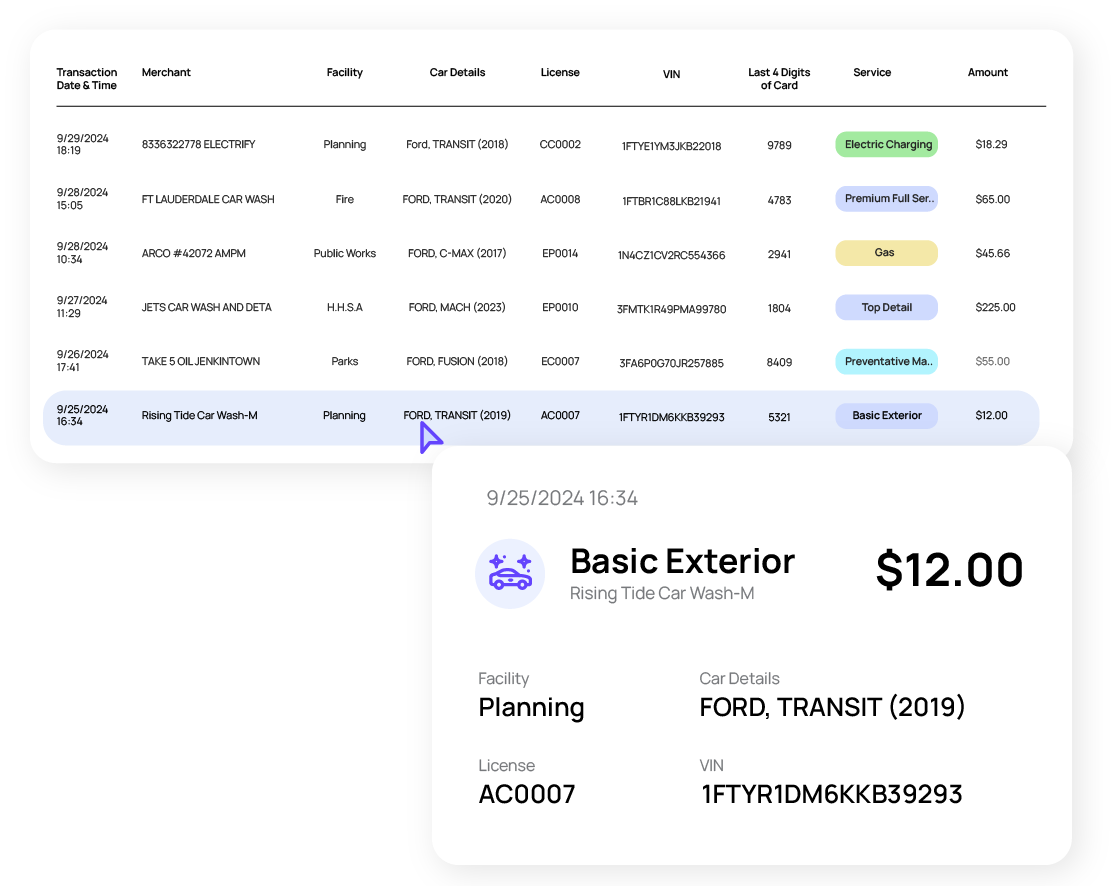
- Centralized billing rolls every wash — across methods and locations — into one invoice.
- Customizable spend controls set what each vehicle can spend, and where.
- Real-time insights show what got washed, when, and where.
- Built-in fraud monitoring flags charges that don't fit the fleet's pattern.
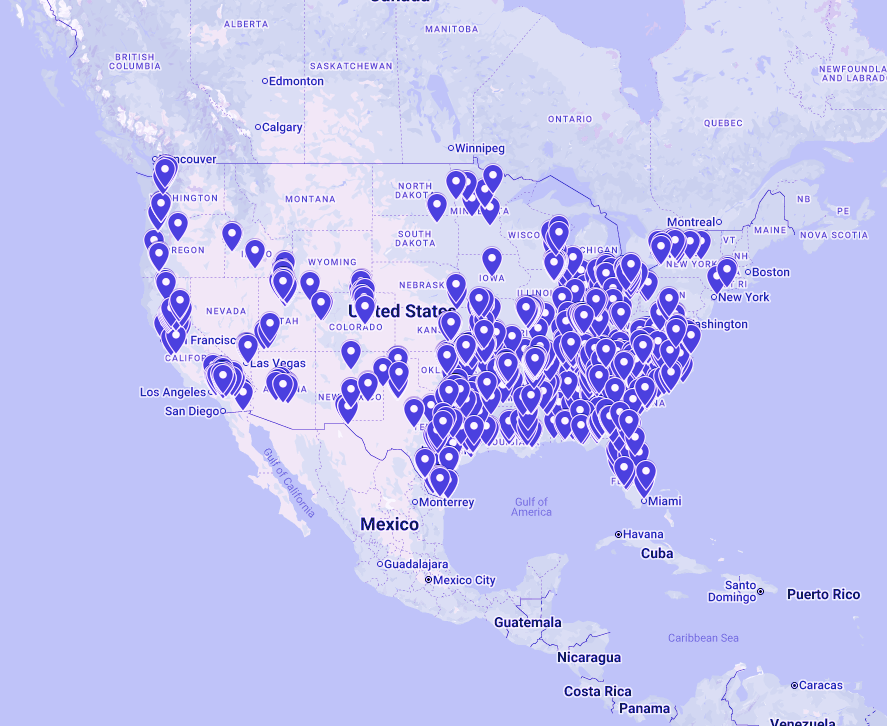
Rynse connects the fleet to both mobile wash providers and thousands of brick-and-mortar wash locations nationwide — one nationwide wash network covering every vehicle type, no matter how mixed the fleet.
Frequently Asked Questions
Can One Program Really Cover Cars and Heavy Trucks?
Yes. A network-based program isn't tied to one machine — it routes each vehicle to a location or provider suited to it, from compact sedans to heavy equipment.
Is Brick-and-Mortar or Mobile Washing Better for a Mixed Fleet?
Neither alone. Everyday vehicles near their routes do well at brick-and-mortar wash locations, while large or parked vehicles do better with mobile washing. A strong program gives access to both.
Do Oversized Vehicles Have to Skip the Program?
No. Mobile washing covers equipment and trucks too large for a standard bay, so they stay in the same billing and reporting as the rest of the fleet.
How Does Billing Work Across So Many Wash Types?
Every wash — mobile or brick-and-mortar washing — rolls into one centralized invoice, with spend controls and reporting across the whole fleet.
The Right Wash for Every Vehicle
A mixed fleet doesn't need a mixed pile of vendors. It needs one program flexible enough to match the wash to the vehicle — and organized enough to keep billing, controls, and reporting in one place.
That's how one program keeps every vehicle type covered, clean, and on the road.

Rynse Team