
Every fleet wash program comes down to one small moment: a vehicle pulls up, and something has to confirm it's approved to wash.
How that moment works — License plate recognition (LPR), an RFID tag, or a card at the terminal — shapes the whole program.
How Each Access Method Works
Each approach answers the same question — is this vehicle allowed to wash here? — in its own way:
- License plate recognition: a camera reads the plate at the wash and checks it against approved vehicles. No card, no PIN.
- RFID tags: a tag on the vehicle is read automatically at the wash, with nothing to present.
- Fleet cards: the driver taps or swipes a card at the terminal to authorize the wash.
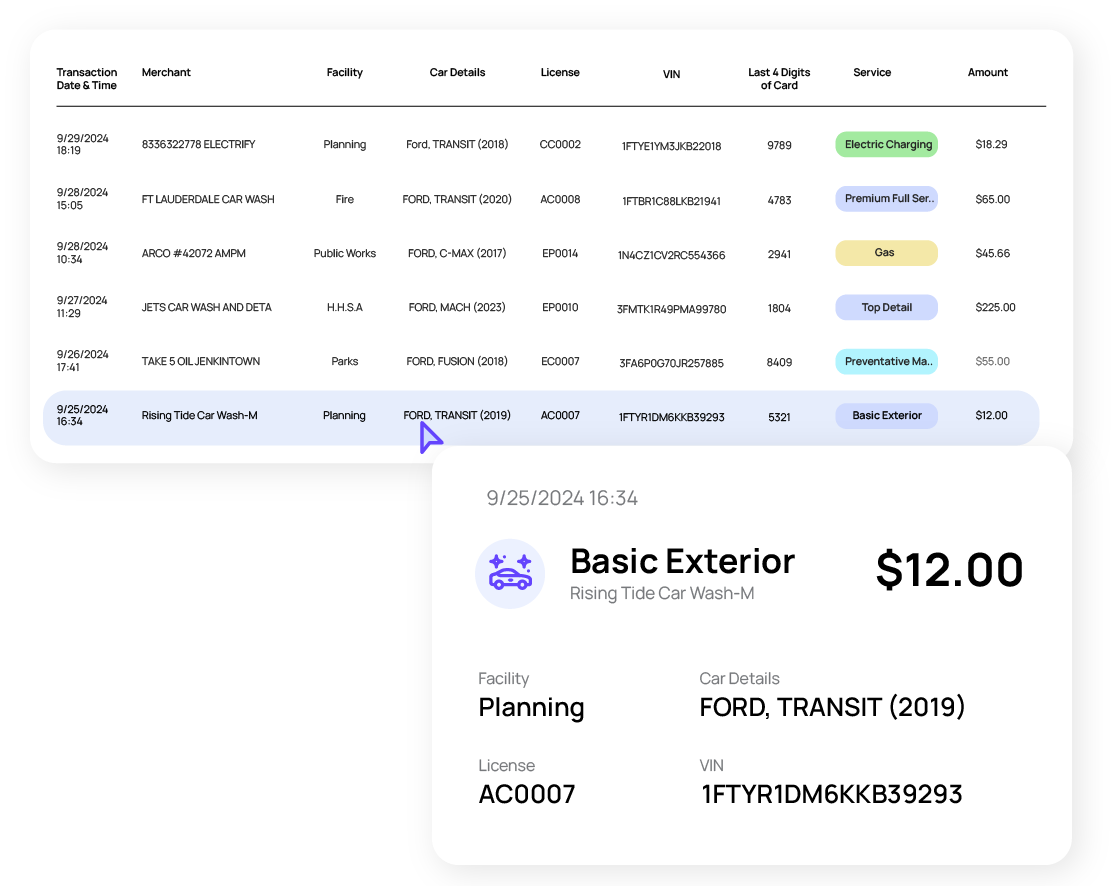
Whatever the method, the visit connects back to the same record of who washed, where, and when.
Where Fleet Cards Still Make Sense
Cards have stuck around because they're simple:
- Quick to hand out when a program is small
- Familiar to drivers and easy to train on
- Flexible when a vehicle rotates between drivers
The catch is that a card is a physical object. It can be shared, forgotten, or used on the wrong vehicle, and wash spend starts to drift.
Where License Plate Recognition Pulls Ahead
LPR removes the card from the equation entirely:
- The plate is the vehicle, so every wash ties to a real asset
- Nothing for drivers to carry, lose, or share
- Faster lanes, since there's nothing to swipe
- Cleaner records for the large or mixed fleets that already know one wash location isn't enough
For fleets focused on uptime, verified access also helps reduce driver downtime and makes it easier to support every vehicle type under one program.
How RFID Fleet Washing Works
RFID sits between a camera and a card. A small tag on the vehicle is read automatically at participating washes:
- No cards to distribute or keep track of over time
- Each wash ties to a specific vehicle, so personal washes are easy to catch
- Reads automatically, so lanes keep moving
- A clean fit for brick-and-mortar washing across departments
Like LPR, RFID can narrow the list of participating washes, so it suits fleets that value tight control over maximum vendor choice. Many programs pair it with cards in a hybrid setup.
The Bigger Cost Isn't the Card or the Camera
The access method matters, but the real money is in what it prevents:
- Industry estimates put fleet fraud and misuse at up to 22% of spend
- Much of it hides in unmanaged access — shared cards and unverified vehicles
- Without a clear record, misuse looks just like a normal wash
Access is only as valuable as the system it feeds.
Why the Platform Matters More Than the Method
Whether a fleet uses LPR, RFID, or cards, the payoff comes from what sits behind it:
- Centralized billing: one itemized invoice instead of scattered receipts, thanks to centralized billing across every site
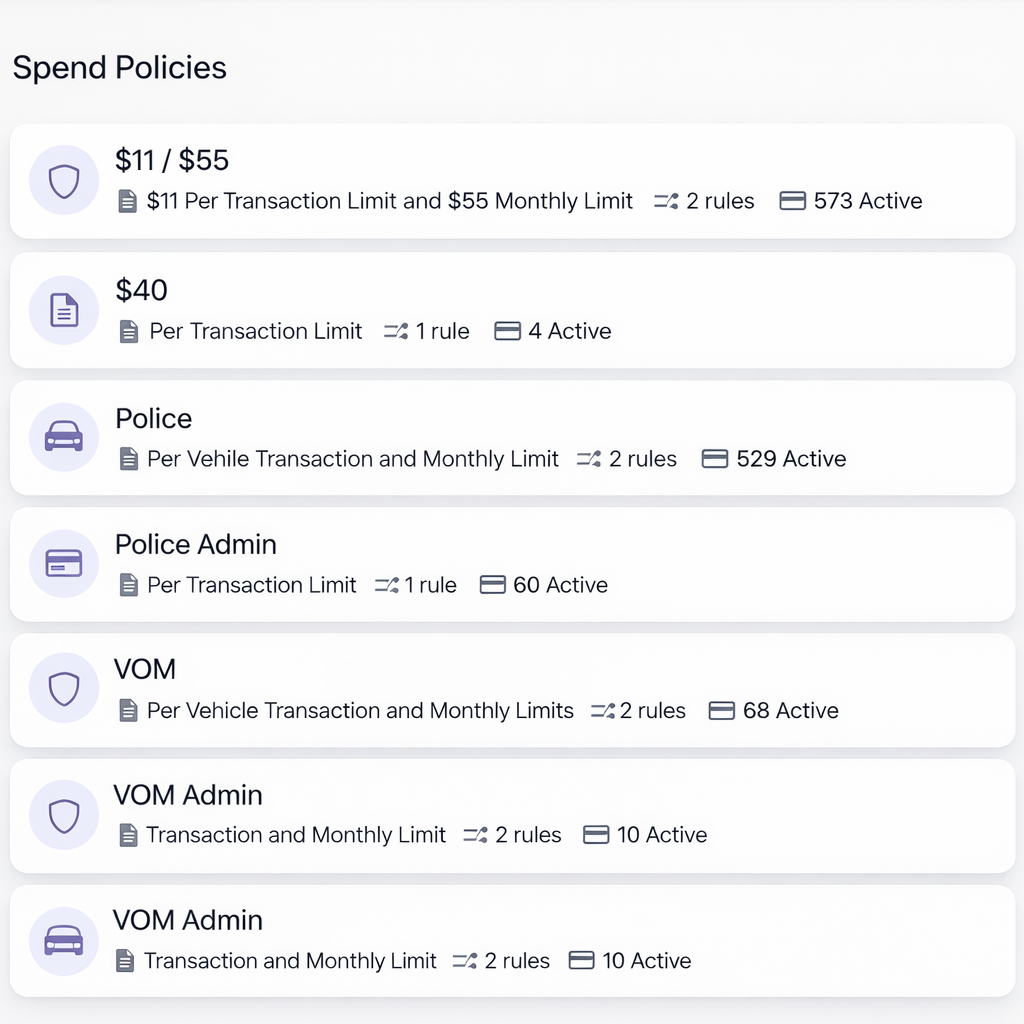
- Customizable spend controls: set customizable spend controls by vehicle, site, or time
- Built-in fraud monitoring: washes that don't fit the pattern get flagged
- Real-time reporting: follow every wash with real-time reporting
How Rynse Handles Wash Access
Rynse supports LPR, RFID, and payment cards, so the fleet picks what fits — including options for unmarked and undercover vehicles for law enforcement.
All of it runs on the same nationwide wash network, covering both mobile wash providers and thousands of brick-and-mortar wash locations nationwide.
Frequently Asked Questions
Is License Plate Recognition Better Than Fleet Cards?
Neither wins outright. LPR removes cards to manage and ties each wash to a vehicle; cards stay simpler for small programs. The right fit depends on fleet size and how tightly access needs to be controlled.
How Is RFID Different From LPR?
Both verify the vehicle without a payment card. LPR reads the license plate with a camera, while RFID reads a tag mounted on the vehicle. Many fleets use them together.
Can One Program Use Every Method?
Yes. Many fleets mix LPR, RFID, and cards across vehicle types and pick the method that fits each situation.
How Does Access Method Affect Wash Spend?
It shapes how easily spend is tracked and controlled. Verified access plus centralized billing and reporting makes misuse far easier to catch.
The Right Access for Every Vehicle
The camera-versus-card debate misses the point. What keeps a wash program clean is verified access feeding one platform for billing, controls, and monitoring — with the flexibility to fit any fleet.

Rynse Team