
A city buys one wash bay, and for a while it works great. Then the fleet grows, and the bay that used to keep up starts holding vehicles back.
Municipal wash bays make sense on paper: wash on-site, control the process, skip the trip. But a single bay has a fixed ceiling, real operating costs, and no backup. As the fleet adds vehicles, the math stops working.
The Wash Bay That Can't Keep Up
A wash bay can only handle so many vehicles a day. Add trucks, patrol cars, and vans to the fleet, and the same bay has to serve them all.
- Vehicles line up and wait their turn, so drivers lose productive time
- Peak-season demand backs everything up
- Vehicles working across town still have to drive back to the yard to wash
- Wash frequency slips because the bay can't fit everyone
That lost time adds up fast. It's the same drain covered in the hidden cost of sending drivers across town, and it's why more agencies lean on a wash network to cut driver downtime.
The Real Cost of Running a Wash Bay
Owning a bay isn't just the up-front build. Fleet wash water carries oil, grease, sediment, and detergents, so where it goes is regulated, and that means permits, treatment, and upkeep.
- Water reclaim and treatment systems can run $60,000 to $200,000
- Plumbing modifications often add $10,000 to $30,000
- NPDES stormwater and local pretreatment permits require ongoing compliance
- Sumps, plumbing, and reclaim systems need regular inspection and cleaning
Even water use is a line item: conventional washing uses about 43 gallons per vehicle, versus roughly 10 to 20 gallons with reclaim. Moving washing onto a nationwide wash network takes those fixed costs off the books.
One Bay Is a Single Point of Failure
When the only bay goes down, the whole fleet feels it.
- A pump failure or permit issue can idle washing for days
- Scheduled maintenance takes the bay offline
- Weather and seasonal shutdowns leave no alternative
- Vehicles either go dirty or drive elsewhere on the clock
It's the same risk covered in what happens when your fleet's only car wash closes: one location means one thing breaking stops everything.
A Network Beats a Single Bay
Rynse connects the fleet to both mobile wash providers and thousands of brick-and-mortar wash locations nationwide, so vehicles wash closer to where they operate.
- Vehicles wash near their routes instead of returning to one yard
- Brick-and-mortar washing and mobile washing cover every situation
- Centralized billing replaces stacks of separate invoices
- Customizable spend controls keep every wash on policy
- Built-in fraud monitoring flags anything out of pattern
Drivers reach approved locations with license plate recognition, RFID, or a payment card, so there's no bay key and no waiting list. When a job runs long, mobile fleet washing comes to the vehicles, and many agencies combine mobile and brick-and-mortar washing to cover every route.
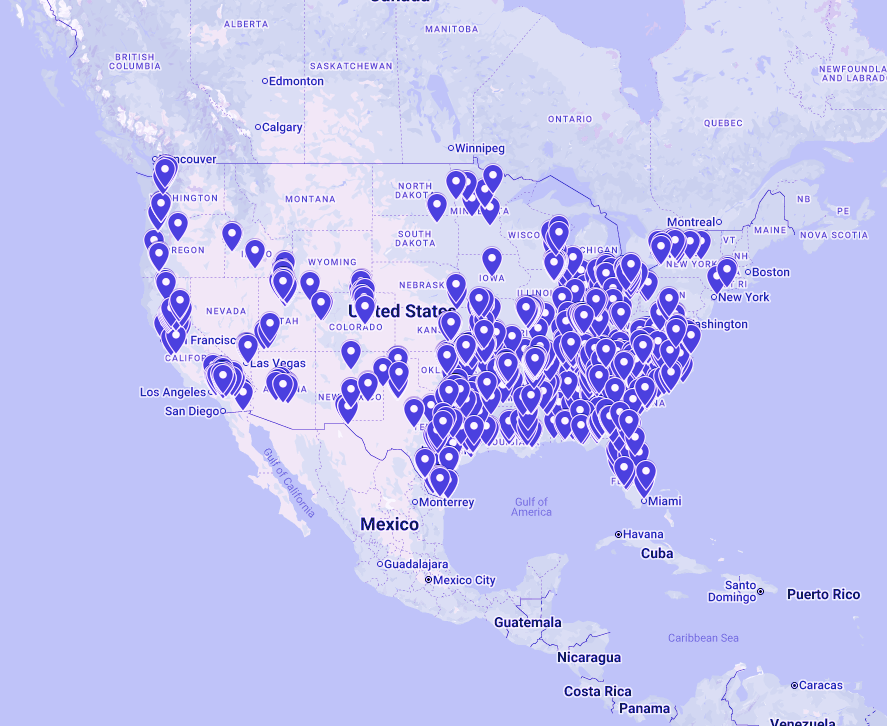
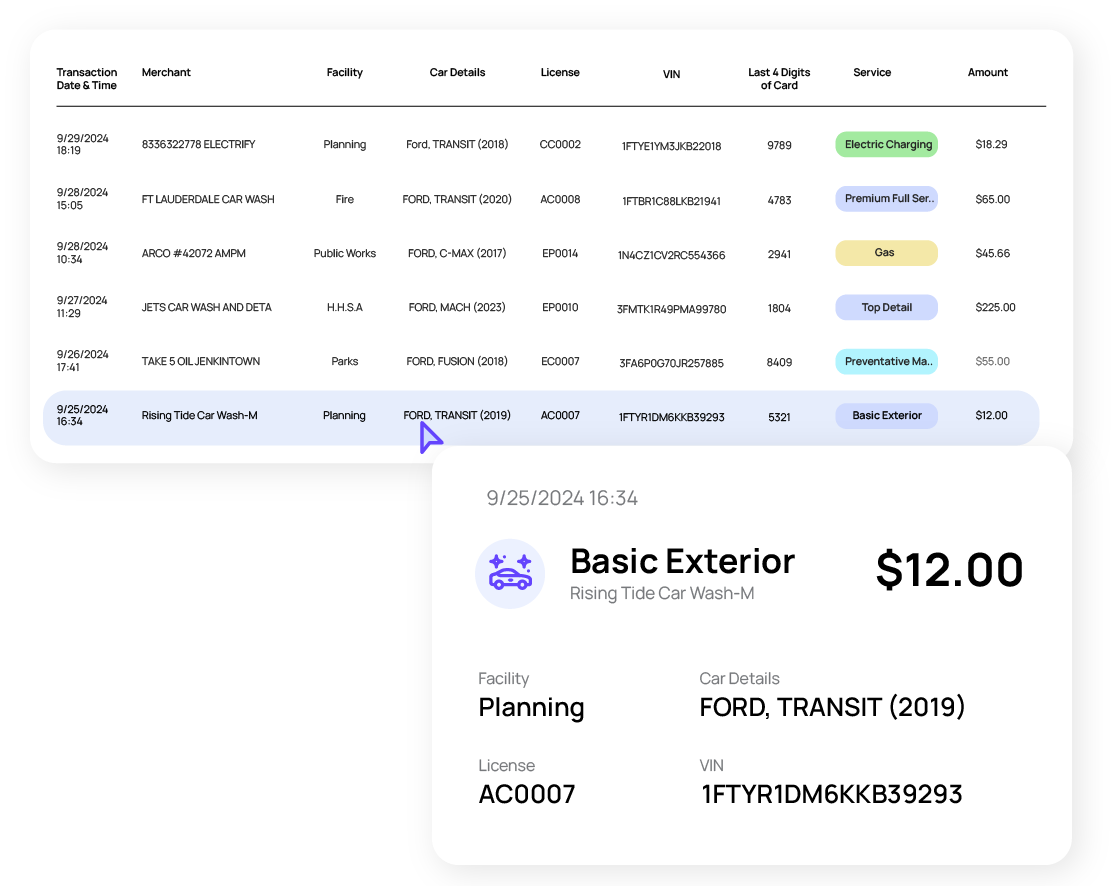
And every wash shows up in one place. Real-time reporting and customizable spend controls replace the guesswork of tracking a single bay by hand.
Frequently Asked Questions
Do Municipal Fleets Still Need an On-Site Wash Bay?
Not usually. A wash network covers washing without the capital, permits, and upkeep a bay demands, and vehicles wash closer to where they already operate.
Is a Wash Network More Expensive Than a Bay?
It shifts spending from fixed overhead to per-wash costs the fleet can see and control. There are no treatment systems, no permit renewals, and no idle-bay days.
Can a Network Handle Different Vehicle Types?
Yes. Brick-and-mortar washing and mobile washing together cover patrol cars, heavy trucks, and everything between. There's more in can one wash program support every vehicle type.
How Do Fleets Keep Washes On Budget?
Customizable spend controls and centralized billing set limits and track every wash, while built-in fraud monitoring flags anything unusual.
Wash Access That Grows With the Fleet
A wash bay fits a fleet at one size. Add vehicles, routes, and locations, and a fixed bay turns into a constraint.
A network grows with the fleet: more coverage, clearer spend, and less downtime, without a treatment system to maintain or a permit to renew.

Rynse Team