One wash bay. One vendor. One point of failure. When the fleet's only car wash shuts its doors, the whole cleaning routine stops with it.
A closure can come from anything — a broken pump, a vendor going out of business, an expired lease, or a compliance shutdown. However it happens, vehicles pile up and the schedule slips.
Why Relying On A Single Wash Location Is A Risk
When every vehicle depends on one place to get clean, one bad day takes the whole program offline.
- A single closure stops washing for the entire fleet at once.
- Drivers wait, or skip the wash entirely, and dirty vehicles stay on the road.
- One broken pump or a vendor's rough week backs everything up.
It's the same math behind why one car wash location isn't enough for a modern fleet: concentration looks efficient until the one location goes dark.
What Actually Happens When The Bay Goes Dark
The closure itself is quick. The ripple through operations isn't.
- Vehicles queue and departures slip behind schedule.
- Another vehicle covers the route, adding miles and wear.
- The downtime often costs more than the wash ever did.
For most fleets the real expense hides in lost hours, not the wash ticket — the same reason sending drivers across town for a wash steadily drains a budget. A distributed network is built to reduce driver downtime instead.
The Hidden Cost Of Running Your Own Wash Bay
Building an in-house bay looks like control. It also comes with a compliance burden most fleets underestimate.
- Wash water draining to a storm inlet needs a Clean Water Act permit — an NPDES permit — before the first vehicle rolls in.
- Unpermitted discharge can draw penalties that reach $25,000 per day per violation.
- Sumps, plumbing, and pretreatment systems all need routine inspection and upkeep.
The EPA itself notes that agencies can hand washing to commercial providers and shed both the build cost and the liability. A nationwide wash network does the same for any fleet, in-house bay or not.
Why Dirty Vehicles Cost More Than A Wash
Skipping washes during an outage doesn't save money. It moves the cost downstream.
- Road salt and grime corrode metal and shorten a vehicle's usable life.
- Clean, well-documented vehicles tend to resell at a premium.
- A skipped wash now becomes a bigger repair bill later.
Keeping vehicles clean is preventive maintenance, and deciding mobile vs. brick-and-mortar washing for each vehicle keeps that routine going no matter what closes.
How A Wash Network Removes The Single Point Of Failure
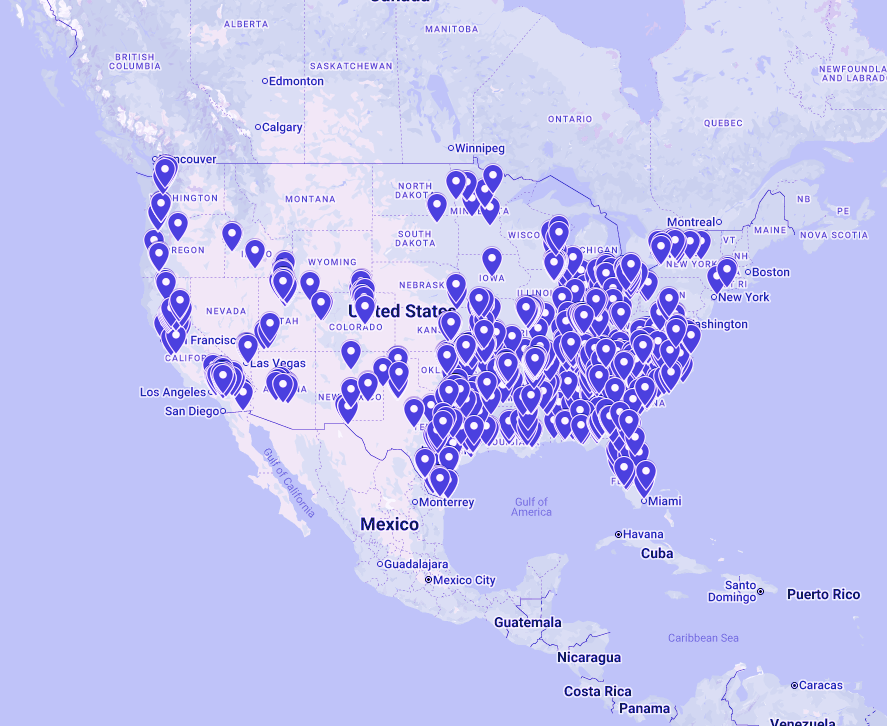
Rynse is the fleet wash platform. It connects the fleet to both mobile wash providers and thousands of brick-and-mortar wash locations nationwide, so no single closure can stop the program.
- If one site closes, drivers simply use the next nearest one — no interruption.
- Mobile washing brings the wash to the yard; when mobile fleet washing makes sense depends on the fleet's routes and volume.
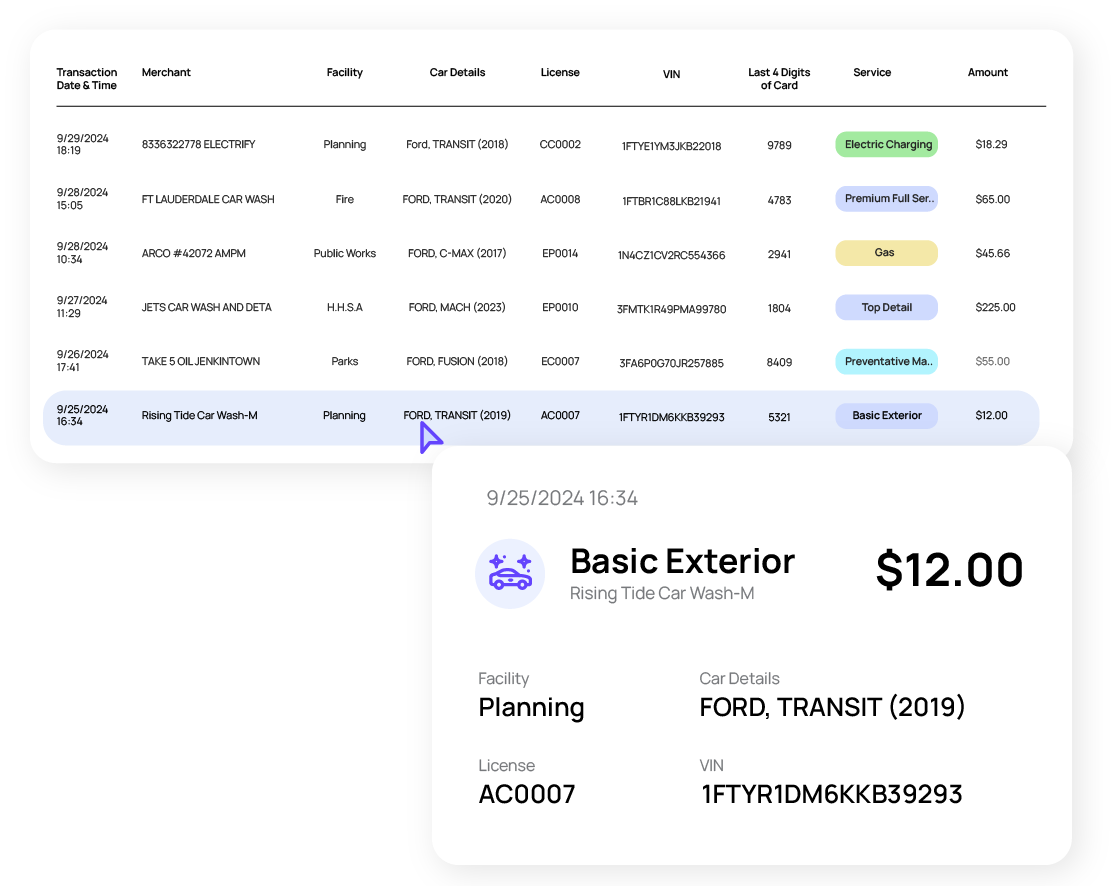
- Centralized billing pulls every location onto one itemized invoice.
- Customizable spend controls and built-in fraud monitoring flag off-pattern washes.
With real-time insights, managers can see where and when every vehicle was washed, even across dozens of locations.
Frequently Asked Questions
What Should A Fleet Do If Its Only Car Wash Closes?
Switch to a network that spans many locations so drivers can wash at the next nearest site. A platform like Rynse keeps the program running without a scramble to find a new vendor.
Is An In-House Wash Bay Cheaper Than Using A Network?
Often no. A bay carries permit, plumbing, and upkeep costs plus Clean Water Act liability. A network turns washing into a per-wash service with no facility to maintain.
How Does A Wash Network Prevent Downtime?
Vehicles wash closer to where they operate, and if one site is down there's another nearby. That keeps drivers on route instead of waiting or driving across town.
Does Rynse Support Both Mobile And Brick-And-Mortar Washing?
Yes. Rynse connects fleets to both mobile wash providers and thousands of brick-and-mortar wash locations nationwide, so each vehicle uses the method that fits.
Wash Access That Never Closes
A single wash location is convenient right up until the day it isn't. A nationwide network turns one fragile dependency into thousands of options, with centralized billing and full visibility over every wash.
One closure shouldn't be able to stop the fleet.

Rynse Team