
A fleet can run on one wash location for years, right up until the day it can't.
When every vehicle depends on a single site, one closure, one long line, or one bad-weather week puts the whole wash routine on hold. Spreading washes across many locations removes that risk. Here's how fleets do it.
What Single-Location Risk Really Means
Single-location risk is simple: when one site is the only place vehicles can get washed, that site becomes a single point of failure.
- The site closes for repairs, and washing stops fleet-wide.
- A line forms at shift change, and drivers wait or skip the wash.
- Bad weather or a broken bay shuts the routine down.
- Vehicles that operate far from the site rarely get cleaned at all.
It's the same problem fleets hit when their only car wash closes or when an in-house wash bay backs everything up.
The Hidden Cost of Leaning on One Location
One wash location looks cheap until the downtime adds up.
- Unplanned downtime runs about $448 to $760 a day per vehicle, and can top $1,000.
- Fleets average 8.7 days of unplanned downtime per vehicle a year.
- Every mile a driver drives to a distant wash is paid time off the route.
- Dirty vehicles hide small issues, corrode faster, and wear the brand down.
Long drives to a far-off wash pile up hidden costs and add to driver downtime.
How a Wash Network Spreads the Risk
A wash network fixes the math by giving every vehicle more than one option.
- Vehicles wash near where they run, not across town.
- If one site is closed, drivers use the next one down the road.
- Coverage scales as the fleet grows, so no single location gets overloaded.
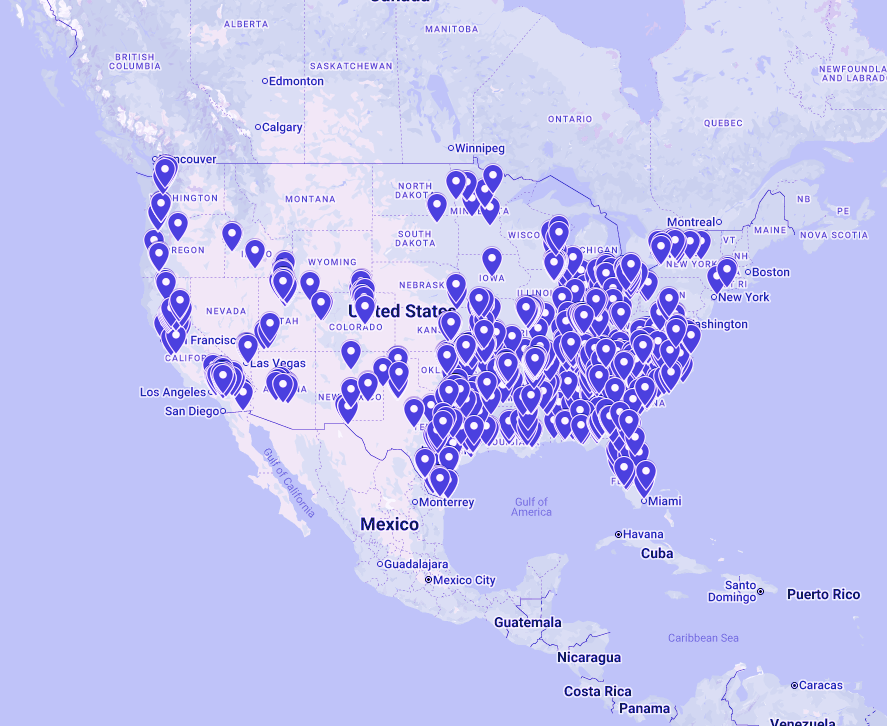
- Both mobile wash providers and thousands of brick-and-mortar wash locations share the demand.
Rynse's nationwide wash network is how fleets expand from one wash location to dozens without adding a single bay.
Mobile Washing Adds a Layer of Backup
Brick-and-mortar washing covers most needs, and mobile washing fills the gaps.
- Crews come to the yard, so vehicles get cleaned without leaving.
- Oversized or specialty vehicles get washed on site.
- Washing happens overnight or between shifts, off the clock.
Pairing brick-and-mortar washing with mobile washing keeps the routine running even when a site is down.
Keeping Eyes on Every Wash
More locations shouldn't mean less control.
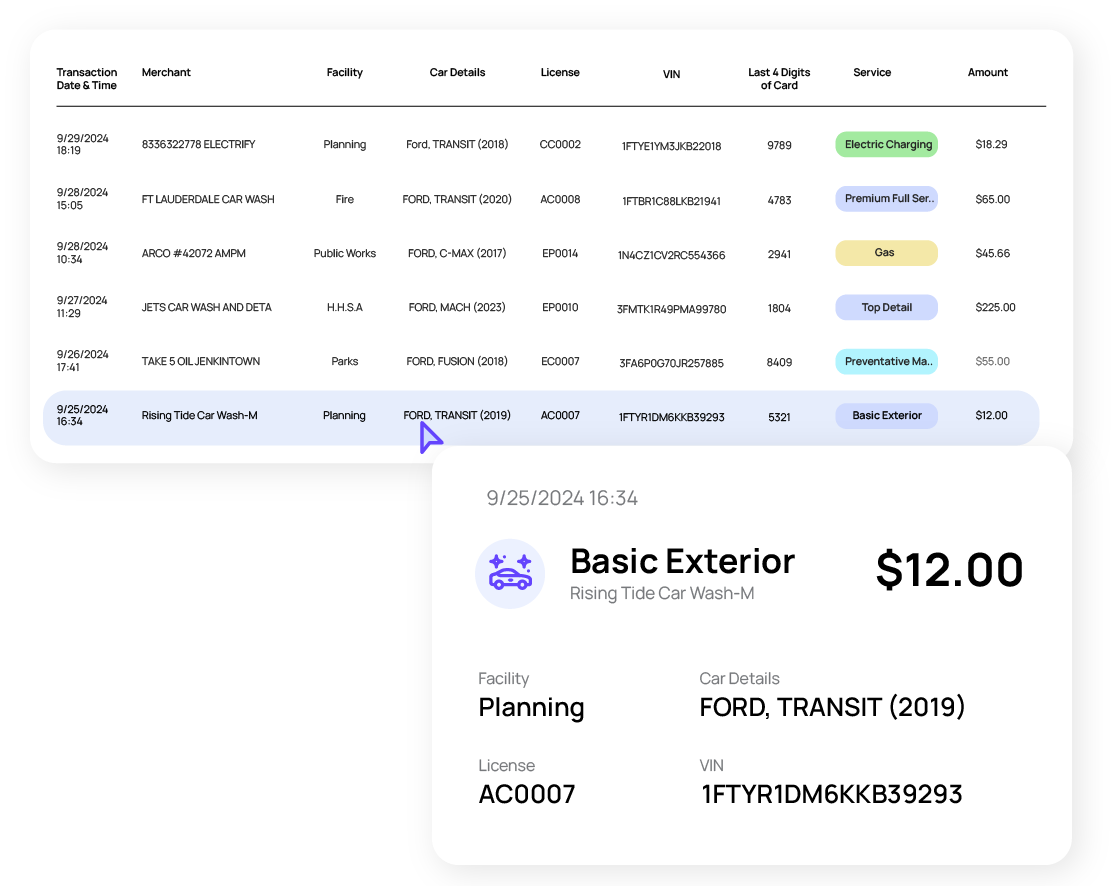
- Every wash is logged in one place, no matter the site.
- Centralized billing turns dozens of vendors into one statement.
- Customizable spend controls cap what each vehicle or driver can use.
- Built-in fraud monitoring flags washes that look off.
Centralized billing keeps the paperwork simple even as coverage grows.
Frequently Asked Questions
What Is Single-Location Risk in Fleet Washing?
It's the exposure that comes from relying on one wash site. When that site is closed, backed up, or too far from where vehicles run, the whole fleet's wash routine stalls.
How Many Wash Locations Does a Fleet Need?
As many as it takes to wash near where vehicles run. Rynse connects fleets to both mobile wash providers and thousands of brick-and-mortar wash locations nationwide.
Does a Wash Network Cost More Than One Location?
Not once travel time and downtime are counted. Spreading washes across nearby sites cuts the paid hours drivers spend crossing town and keeps vehicles on the road.
How Often Should Fleet Vehicles Be Washed?
It depends on conditions. Vehicles exposed to road salt, mud, or heavy use may need weekly washing, while lighter-duty vehicles can go longer between cleanings.
Reliable Wash Access With No Single Point of Failure
One wash location is a risk the fleet feels the moment it goes down. A network spreads that risk across brick-and-mortar washing and mobile washing, so every vehicle has a clean, close option, and one closure never stops the whole operation.

Rynse Team