
Fleet cards, RFID tags, and license plate recognition are the three ways drivers get into a wash on the Rynse network.
The Three Ways Drivers Access a Wash
Every wash on the Rynse platform unlocks in one of three ways. Each does the same job — proving a vehicle is approved to wash — with a different trade-off in convenience and control.
- Fleet cards: a physical card tied to a vehicle or driver, swiped or tapped at the wash.
- RFID tags: a sticker tag on the windshield that a reader picks up automatically.
- License plate recognition (LPR): a camera reads the plate, so the vehicle itself is the credential.
How Fleet Cards Work for Wash Access
Fleet cards are the familiar option. Most managers already know the model from fuel programs.
- One card maps to a vehicle or driver in the wash program.
- Drivers swipe or tap to start an approved wash.
- Spend lands on one centralized bill, not scattered receipts.
- Cards can be shared, misplaced, or left in the wrong vehicle.
Where License Plate Recognition Pulls Ahead
LPR removes the card from the equation. The plate is the account, so there's nothing for drivers to carry or hand off — one reason more fleets are moving beyond physical wash cards.
- The camera reads the plate and matches it to the approved vehicle.
- Drivers don't stop to find a card or tag.
- A wash can't be shared with a vehicle that isn't in the program.
- Every wash ties back to a specific plate for clean reporting.
Fraud Monitoring and Spend Controls Come Standard
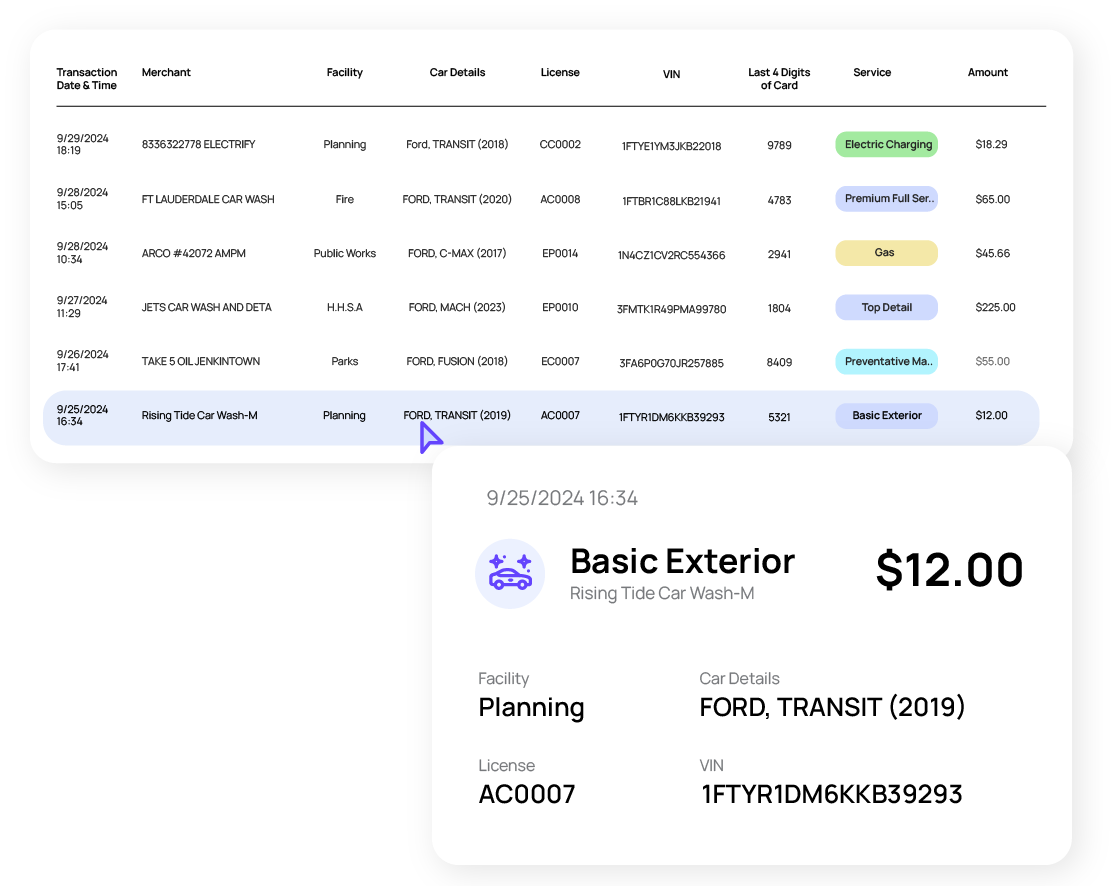
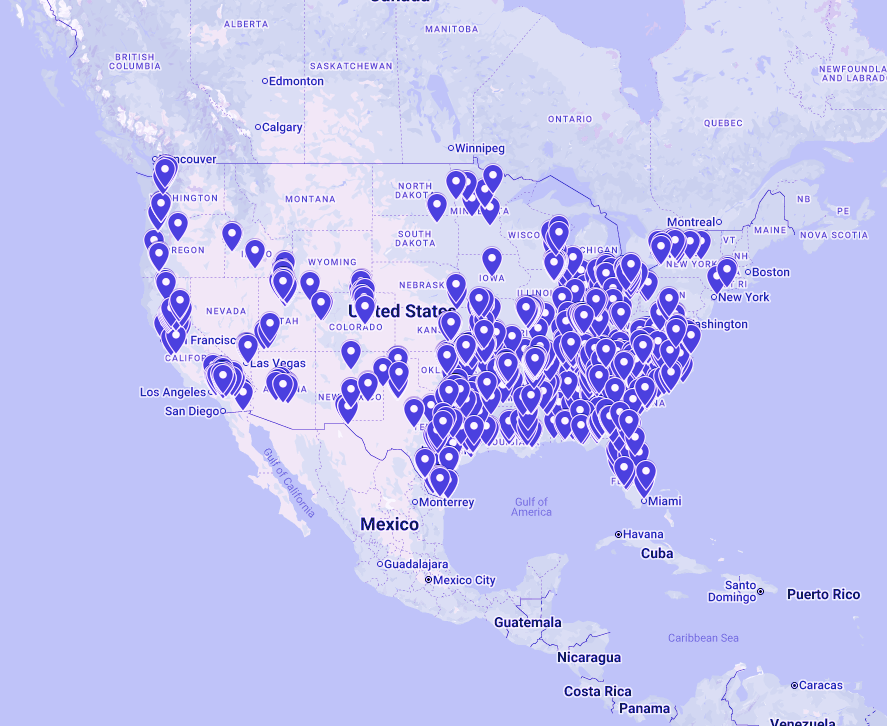
Access is only half the picture — the bigger value is control over spend. Rynse connects the fleet to both mobile wash providers and thousands of brick-and-mortar wash locations nationwide, and every wash runs through one system.
- Centralized billing replaces stacks of receipts with a single itemized invoice.
- Customizable spend controls cap how often and where vehicles can wash.
- Built-in fraud monitoring flags washes that fall outside the rules.
- Real-time reporting shows which vehicle washed, when, and where.
Choosing the Right Access Method for the Fleet
There's no single right answer. The best method depends on the vehicles and how tightly access needs to be controlled.
- Fleet cards suit mixed programs where drivers already carry them and sharing isn't a concern.
- RFID tags fit high-volume routes where speed matters and vehicles stay assigned — see how RFID fleet washing works.
- License plate recognition fits fleets that want the tightest control and the least for drivers to manage.
- Many fleets mix methods across vehicle types on the same account.
Frequently Asked Questions
Is License Plate Recognition More Secure Than a Fleet Card?
For access, generally yes. A plate can't be handed to another vehicle, while a card can be shared or lost, so unauthorized washes are harder.
Do Drivers Need to Do Anything With LPR?
No. The camera reads the plate as the vehicle pulls up, so there's nothing to swipe, tap, or carry.
Can One Fleet Use More Than One Access Method?
Yes. Rynse supports fleet cards, RFID tags, and LPR on the same account, so different vehicle types can use different methods.
Does the Access Method Change How Billing Works?
No. However a vehicle is verified, every wash rolls into the same centralized bill with the same spend controls and fraud monitoring.
Wash Access That Fits Every Vehicle
Fleet cards, RFID, and LPR all get vehicles clean — the difference is how much drivers carry and how tightly access is controlled. Rynse supports all three, so the fleet picks what fits and keeps billing, spend controls, and fraud monitoring in one place.

Rynse Team