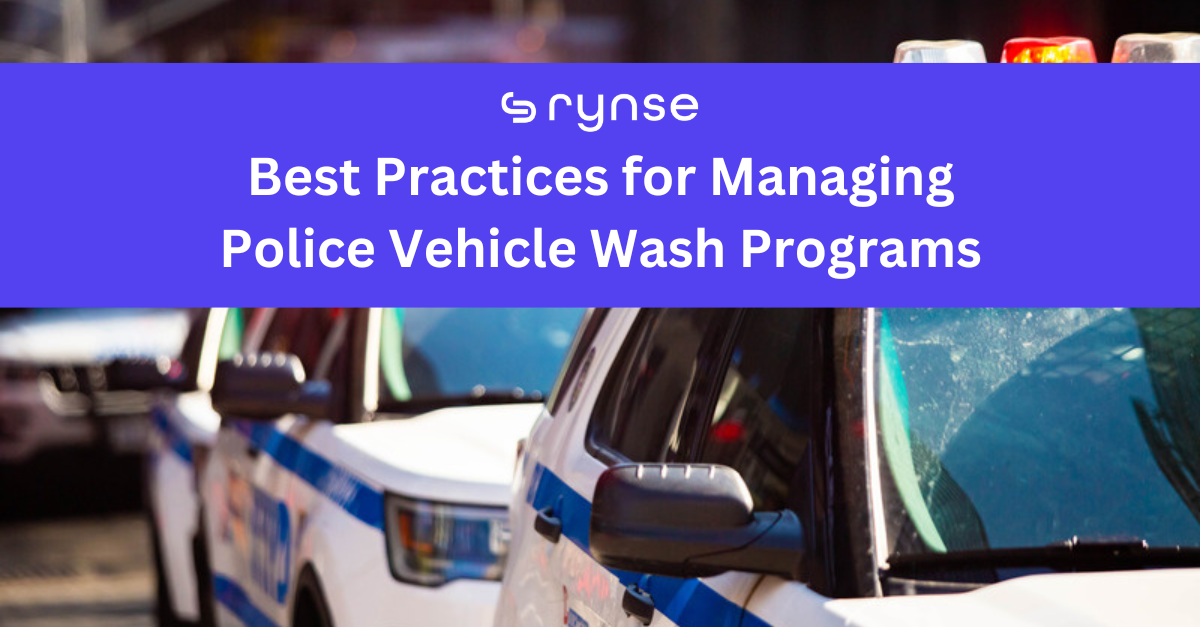
A clean patrol vehicle signals professionalism the moment it pulls up to a call. This post lays out the best practices for running a police vehicle wash program that keeps cruisers presentable, cuts downtime, and keeps spending under control.
Set a Consistent Wash Schedule
A dependable schedule is the foundation of any wash program. Patrol vehicles work hard, and a set cadence keeps them sharp while protecting the finish over the long haul.
- Wash marked units at least once a week, and more often for high-mileage or high-visibility assignments.
- Clean vehicles after incidents, off-road pursuits, or any biohazard exposure.
- Step up frequency during road-salt and mud seasons to protect paint and the undercarriage.
- Log every wash so supervisors can confirm units are being maintained.
For the wider picture, the complete guide to law enforcement fleet washing covers how agencies structure these programs.
Keep Patrol Cars Ready, Not Sidelined
Every minute an officer spends driving across town for a wash is a minute off patrol. Wash access close to where vehicles operate keeps units in service.
- Choose wash sites near patrol routes, precincts, and motor pools.
- Skip the long detours that pull units out of their assigned areas.
- Give drivers flexibility across shifts so washing fits around the workload.
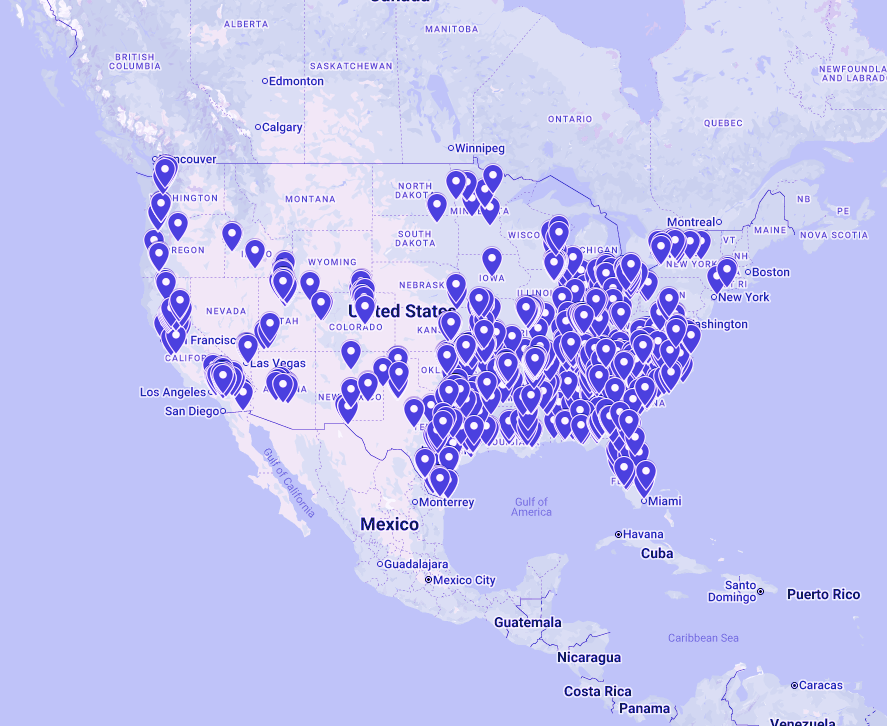
A wider set of sites cuts idle time. See how fleet wash networks reduce driver downtime and why decentralized wash access saves time.
Give Every Vehicle Type the Right Wash
A police fleet rarely consists of one kind of vehicle. A single program should cover the whole fleet without forcing separate wash arrangements.
- Marked cruisers and SUVs that need frequent, visible upkeep.
- Prisoner transport vans and command vehicles with heavier interiors.
- Motorcycles and specialty units with specific wash needs.
- Unmarked vehicles that call for extra discretion.
Rynse connects fleets to both mobile wash providers and thousands of brick-and-mortar wash locations nationwide, so on-site crews can service a motor pool while officers on the road use nearby sites. Learn when mobile fleet washing makes sense and how the nationwide wash network fits a department.
Protect Sensitive and Unmarked Vehicles
Undercover and sensitive assignments need washing without exposing the vehicle or the officer. A good program handles that discreetly.
- Keep unmarked units out of any public-facing activity feed.
- Let drivers access washes without flashing department credentials.
- Use plate-based entry so there's no card tying a vehicle to an agency.
Rynse supports this with unmarked vehicle mode, and drivers can enter approved sites through license plate recognition.
Control Costs and Spending Across the Department
Wash spending adds up fast across a department. Centralized oversight turns a scatter of receipts into one clear picture.
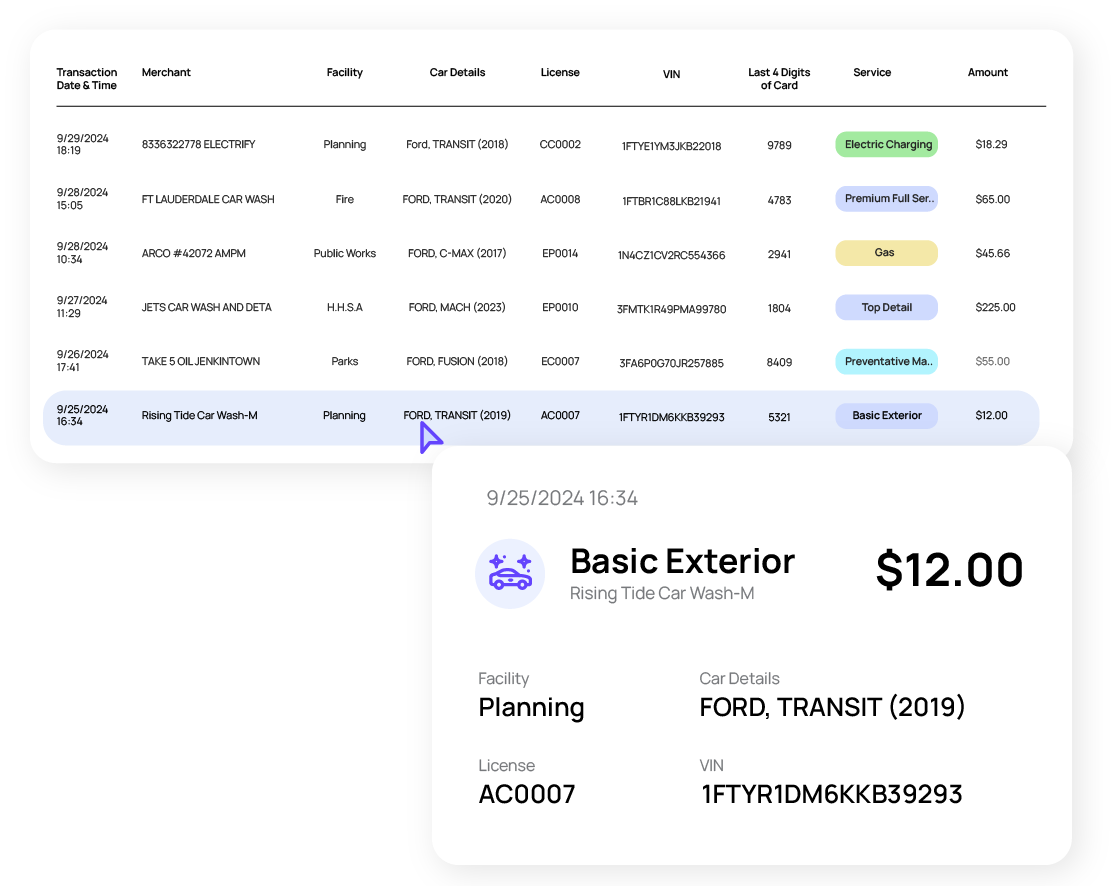
- Consolidate every wash onto one centralized, itemized bill.
- Set custom spend limits by vehicle, unit, or division.
- Flag unusual activity with built-in fraud monitoring.
- Track wash activity as it happens instead of waiting for month-end.
See how flexible spend controls and real-time fleet insights give administrators full visibility.
Frequently Asked Questions
How often should police vehicles be washed?
Most departments wash marked units at least weekly, with extra washes after incidents, off-road use, or heavy road-salt and mud seasons.
Can one program cover marked and unmarked vehicles?
Yes. A single wash program can serve cruisers, SUVs, vans, motorcycles, and unmarked units, with added discretion for sensitive vehicles.
How do departments wash vehicles across multiple shifts and precincts?
Access to many nearby sites, plus mobile washing at precincts and motor pools, lets officers keep units clean without leaving their assigned areas.
How does Rynse help control wash spending?
Rynse centralizes billing, applies custom spend limits, and adds built-in fraud monitoring so administrators see every wash in one place.
Patrol-Ready Vehicles, Every Shift
A well-run wash program keeps cruisers presentable, officers on patrol, and spending in check. With one platform for scheduling, access, and oversight, keeping the fleet clean gets a lot simpler.

Rynse Team