
Fleet washing involves a few core decisions: how often vehicles get washed, where drivers go, what it costs, and which rules apply. Together, they determine whether the program holds up as the fleet grows.
What a Fleet Wash Program Has to Cover
A fleet wash program comes down to five decisions. They become more difficult as the vehicle count grows.
- Frequency — how often each vehicle class gets washed
- Access — where drivers can wash without leaving their route
- Cost — what gets paid per wash and how it's tracked
- Compliance — where wash water goes and who's responsible for it
- Visibility — who washed what, when, and at what price
Most programs manage the first two and lose the last three. Relying on a single wash vendor complicates this, as covered in why one car wash location isn't enough for modern fleets.
How Often Fleet Vehicles Should Be Washed
Frequency depends on climate, duty cycle, and how visible the vehicle is to the public.
- Winter and salt-belt operations: weekly, with real attention to the undercarriage
- Standard duty in mild climates: every two weeks as a baseline
- Customer-facing and branded vehicles: weekly or more often
- Coastal fleets: more frequent, since salt air speeds up corrosion
Road salt and magnesium chloride act as electrolytes on steel and aluminum, so a consistent schedule works as corrosion prevention on frame rails, brake lines, and wiring — closer to a maintenance item than a cosmetic one.
Thoroughness beats frequency. A weekly wash that reaches the undercarriage does more than a daily rinse that never gets past the paint.
Choosing Between Mobile Washing and Brick-and-Mortar Washing
Both methods have a place, and most fleets end up using each where it fits best.
- Mobile washing works when vehicles park at a yard overnight, or when equipment is too large for a tunnel
- Brick-and-mortar washing works when vehicles are spread across a service area and drivers need a stop near the route
- Mixed fleets often pair the two — mobile washing for heavy equipment, brick-and-mortar washing for light-duty vehicles
There's more on the tradeoffs in when mobile fleet washing makes sense, and a direct comparison in mobile vs. brick-and-mortar fleet washing.
Controlling What Fleet Washing Costs
The price per wash is only part of the cost. Drive time, idle time, and administrative work usually add up to more.
- Sending drivers across town burns fuel and paid hours
- Vehicles sitting in a wash line aren't doing work
- Every added vendor means another invoice to chase and reconcile
- Without negotiated pricing, it's one price at one location and a completely different price at another
Shorter trips to a wash cut the labor side of the cost, and consolidated billing removes the reconciliation work behind it.
Staying Compliant With Wash Water Rules
Wash water is regulated. Under the Clean Water Act, a wash area draining to a storm inlet counts as a point source, and unpermitted discharge can carry penalties assessed per day of violation.
- Discharge to a storm drain generally requires an NPDES permit
- Discharge to the sanitary sewer is usually allowed under local pretreatment rules
- Wash racks contain runoff and route it to a collection point
- Brick-and-mortar wash locations and permitted mobile wash providers already handle this
Washing through established wash providers moves that responsibility off the fleet and onto operators who are already set up for it.
Building a Fleet Wash Program That Scales
A program that works at 20 vehicles should still work at 200 without new headcount.
- Set a wash cadence by vehicle class instead of one rule for everything
- Give drivers enough nearby options that washing doesn't require a detour
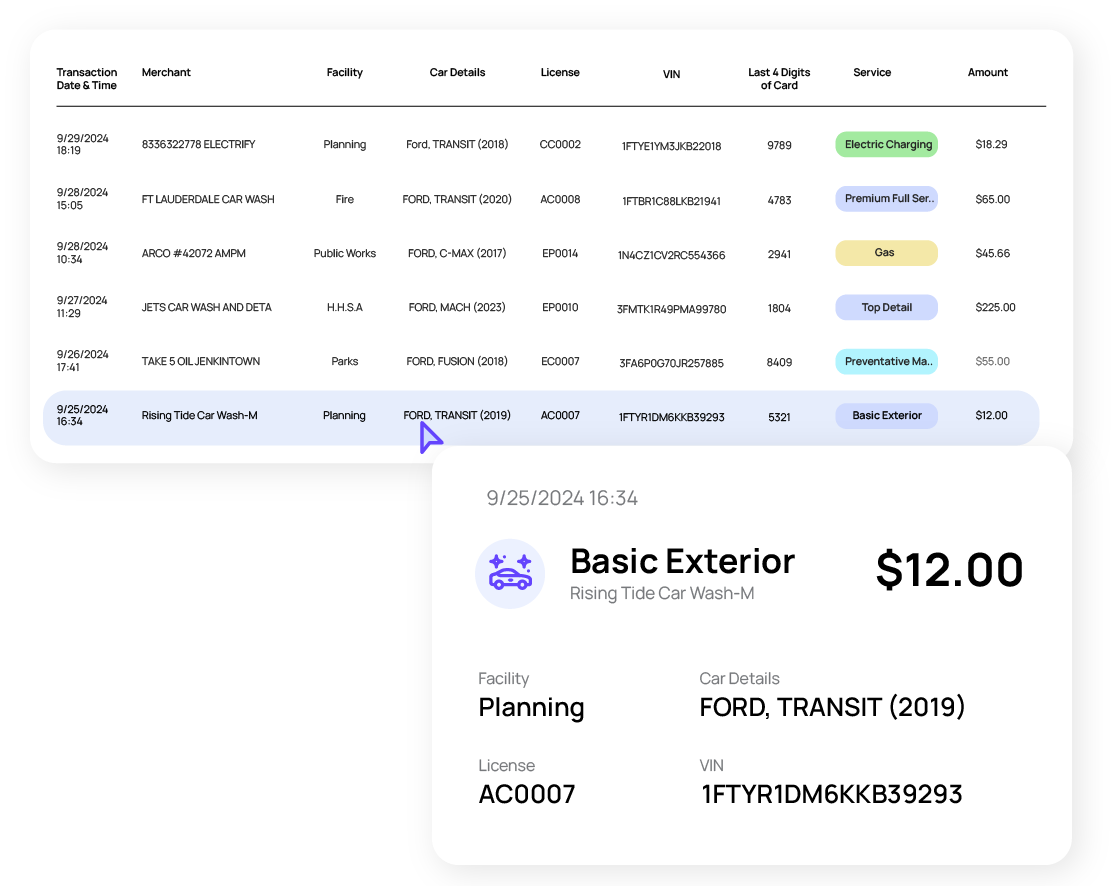
- Put every wash, mobile and brick-and-mortar, on one invoice
- Apply customizable spend controls by vehicle, location, or wash count
- Review wash activity often enough to catch outliers while they're small
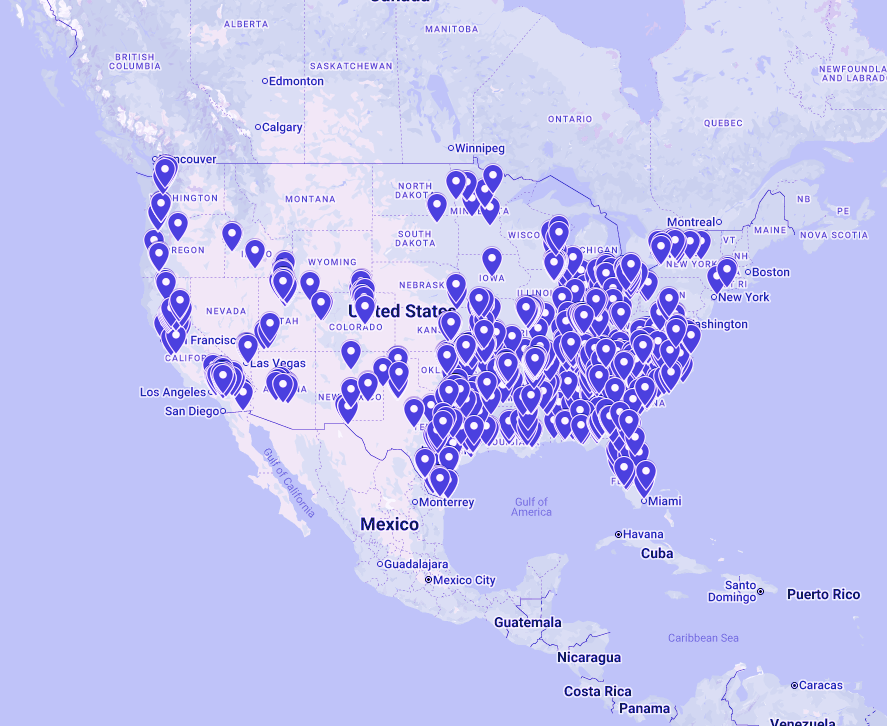
Rynse connects fleets to both mobile wash providers and thousands of brick-and-mortar wash locations nationwide. Drivers get verified at the wash without cash or paperwork, procurement runs through one agreement, and built-in fraud monitoring flags the unusual washes.
The nationwide wash network handles coverage, and real-time wash activity handles the reporting side.
Frequently Asked Questions
How Often Should a Fleet Vehicle Be Washed?
Every two weeks is a reasonable baseline. Weekly is better in winter, in salt-belt and coastal regions, and for customer-facing vehicles.
Is Mobile Washing or Brick-and-Mortar Washing Cheaper?
It depends on where vehicles sit. Mobile washing removes drive time for yard-based fleets, while brick-and-mortar washing keeps per-wash costs down for dispersed light-duty vehicles.
Does Fleet Washing Require a Permit?
Washing at a brick-and-mortar wash location or through a permitted mobile wash provider doesn't. Washing on site can, since wash water reaching a storm drain falls under the Clean Water Act.
Can One Wash Program Cover Every Vehicle Type?
Yes, as long as it includes both methods. Heavy equipment and specialty vehicles lean on mobile washing, while light-duty vehicles use brick-and-mortar washing.
A Cleaner Fleet With Less Work
Fleet washing gets easier when the program is built around where vehicles actually operate, priced consistently, and reported in one place.
Set the cadence, widen the access, and let the billing and reporting take care of themselves.

Rynse Team