
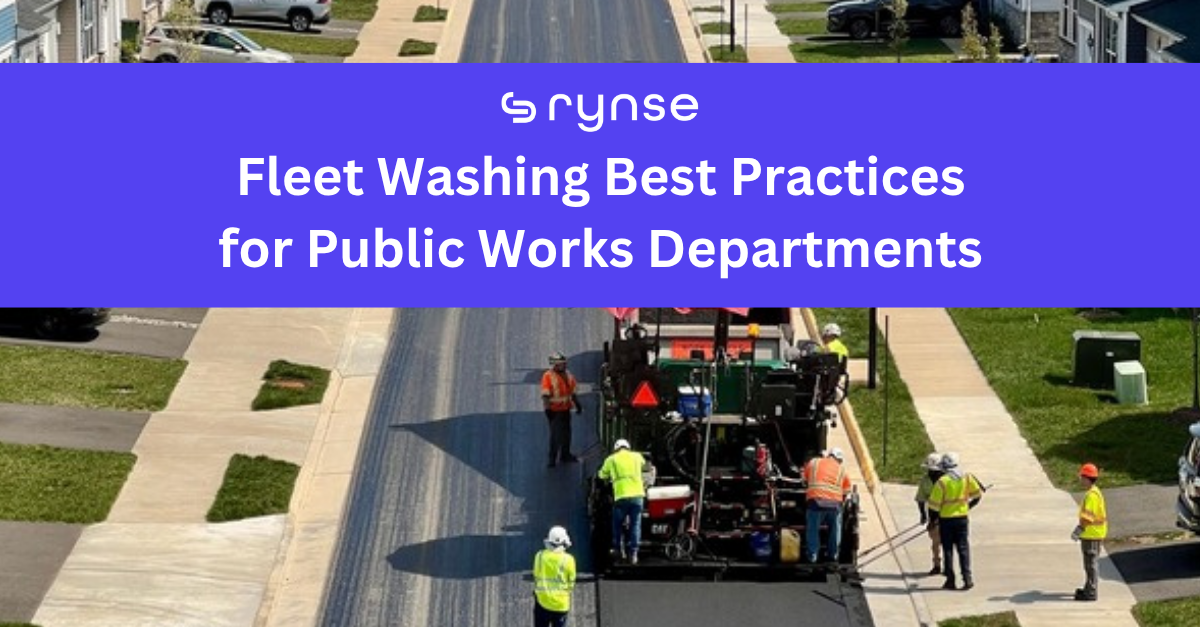
Road salt, brine, and jobsite mud keep public works equipment under constant corrosion pressure, and the units that need washing most — dump trucks, loaders, sweepers — are the hardest ones to get to a wash bay. Common guidance puts heavy trucks on a weekly wash through winter operations, with a full undercarriage clean at the spring transition.
What Makes Public Works Fleets Harder to Keep Clean
A few conditions make public works fleets harder to keep clean:
- Equipment ranges from a half-ton pickup to a tandem dump truck, and no single wash setup fits all of it
- Salt, brine, and sand ride along all winter, then bake on
- Crews run out of yards spread across the jurisdiction, not one central garage
- Seasonal peaks put nearly every unit in service during the same weeks
- One in-house bay creates a line exactly when the whole fleet needs washing
Queuing gets worse as the equipment list grows, which is why municipal wash bays eventually slow fleets down.
How Often Public Works Vehicles Should Be Washed
Wash frequency follows the season:
- Winter operations: weekly for heavy trucks, while salt and de-icer are still on the road
- Warmer months: roughly every two weeks for trucks working in dust and mud
- Winter-to-spring transition: one full undercarriage deep clean before corrosion progresses
- After any brine or heavy mud run: wash then, not on the next scheduled date
Don't Skip the Undercarriage
Salt collects low on the vehicle, where a side-only wash never reaches:
- Frames and cross members, where brine pools and sits
- Suspension components and spring packs
- Brake lines and air lines
- Electrical connectors and harness routing
- Wheel wells and the back sides of the wheels
An undercarriage rinse costs far less than replacing corroded brake lines and connectors.
Matching the Wash Method to the Equipment
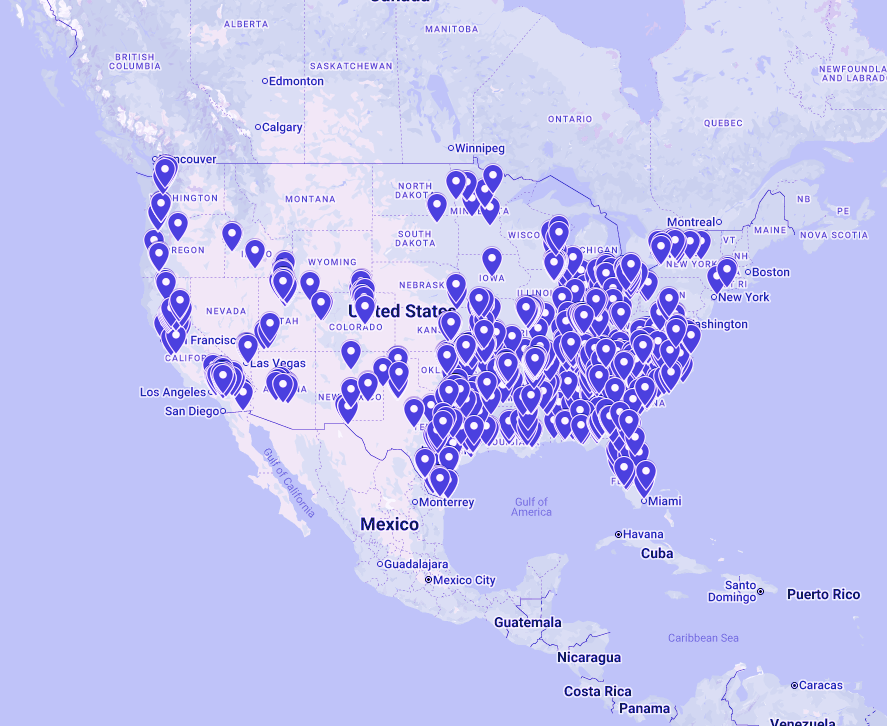
Public works fleets need more than one wash method. Rynse connects fleets to both mobile wash providers and thousands of brick-and-mortar wash locations nationwide.
- Brick-and-mortar washing handles pickups, sedans, and light trucks already moving through town
- Mobile washing handles loaders, sweepers, and anything that shouldn't leave the yard to get clean
- Both run on one account, so the whole fleet stays on one cadence and one invoice
Most departments use both. Here's how fleets combine mobile and brick-and-mortar washing in a single program.
The Compliance Side of Washing in the Yard
Washing heavy equipment in the yard brings regulatory obligations:
- Wash water carries oil, grease, heavy metals, sediment, and detergents
- Storm drains aren't an option, so the pad needs containment and capture
- Permitting usually comes with a written pollution-prevention plan to maintain
- Reclamation equipment is one more system for the shop to service
Sending vehicles to professional wash sites moves the wastewater obligation to operators already set up for it. The broader picture is covered in the complete guide to municipal fleet washing.
Records That Hold Up at Budget Time
A wash program is easier to defend when the activity is documented as it happens.
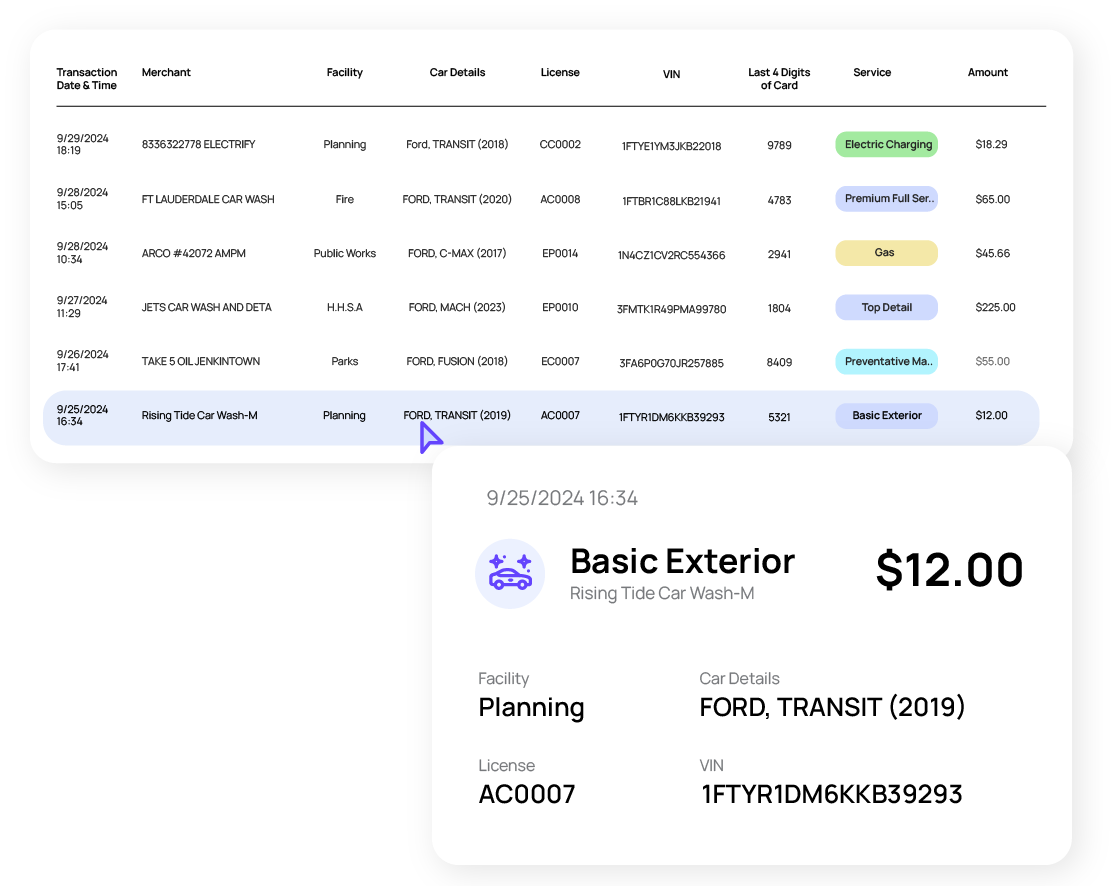
- Which unit washed, when, and at which location
- Wash spend broken out by department or division
- Vehicles that haven't been washed in too long
- Unusual activity flagged early instead of at month-end
That comes from real-time wash reporting, with centralized billing on one itemized invoice and customizable spend controls keeping each division inside budget.
Frequently Asked Questions
How Often Should Public Works Trucks Be Washed in Winter?
Weekly is the common target for heavy trucks during winter operations, and sooner after a run through brine. Removing salt while it's still fresh keeps it from sitting on the frame all season.
Does the Undercarriage Really Need Separate Attention?
Yes. Salt collects on the frame, suspension, brake lines, and electrical connections, so a wash that covers only the body leaves the corrosion risk untouched.
Can Heavy Equipment Be Washed Without Leaving the Yard?
It can. Mobile washing brings a crew on site for loaders, sweepers, and equipment that shouldn't be driven across town, while lighter vehicles use nearby wash locations.
Do Public Works Departments Need a Permit to Wash On Site?
Often, yes. Wash runoff is regulated, so an in-house pad typically needs containment, capture, and a permit. Using professional wash sites shifts that obligation to the vendor.
Cleaner Equipment With Less Time Off the Route
Good public works washing comes down to three things: wash on a cadence the season sets, get under the vehicle, and pick the method that fits the equipment. Handle those three and equipment lasts longer while crews stay on the job. These are the same trade-offs we walk through with departments at PWX every year.

Rynse Team