
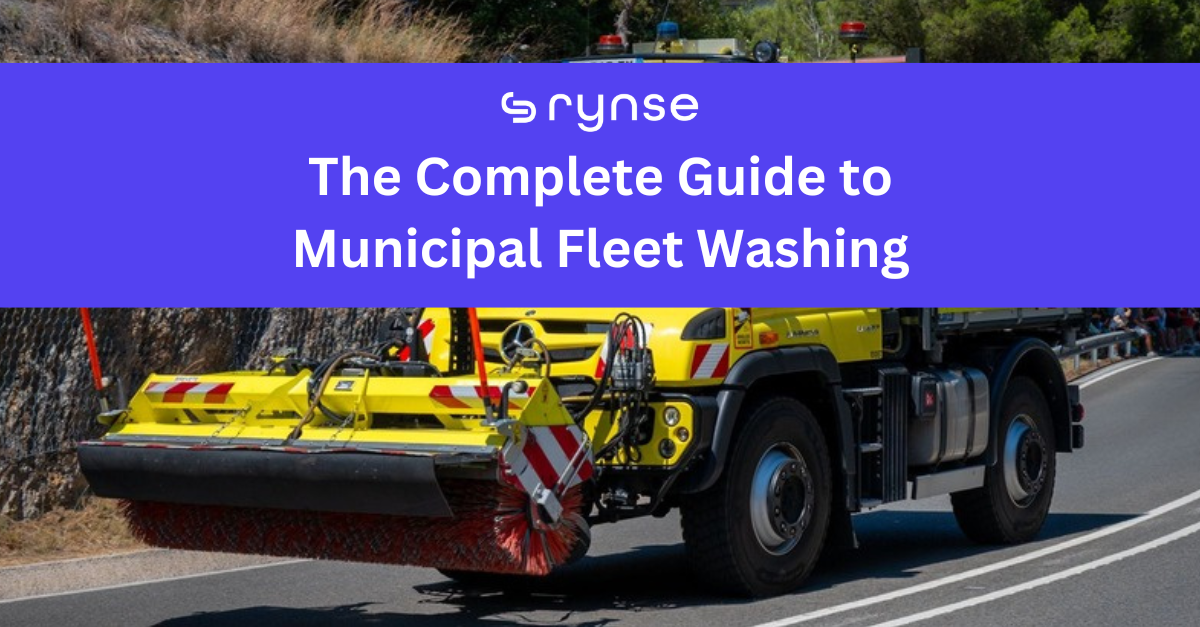
Municipal fleets face constant exposure to road salt, brake dust, and daily route grime, and keeping them clean protects both the vehicles and the public trust that agencies depend on. Clean vehicles last longer, stay compliant with stormwater rules, and keep every department running.
What Municipal Fleet Washing Covers
A municipal wash program covers many vehicle types:
- Public works trucks: dump trucks, snowplows, and street sweepers
- Sanitation and refuse trucks
- Police, fire, and other public safety vehicles
- Parks, utilities, and water department vehicles
- Administrative cars, vans, and inspection vehicles
Why Clean Municipal Vehicles Matter
Clean municipal vehicles protect public dollars in a few concrete ways:
- Corrosion control: Road salt and brine pack into undercarriages, brake lines, and frames. The EPA puts salt's corrosive toll on vehicles, roads, and bridges at roughly $5 billion a year, and regular washing is the cheapest way to slow it down.
- Longer vehicle life: Rinsing off de-icing chemicals before they reach hard-to-reach areas means fewer premature repairs and a longer replacement cycle.
- Public trust: Clean, well-kept vehicles signal that an agency runs a tight operation, which matters for departments residents see every day.
- Safety and visibility: Clean lights, mirrors, and markings keep drivers and the public safer.
The Problem With a Single City Wash Bay
Running every vehicle through one wash bay at a central yard creates real problems:
- Drivers cross town and wait in line, burning paid time and fuel
- A closed or broken bay leaves the whole fleet with nowhere to go
- Off-route vehicles skip washes entirely, which speeds up corrosion
- One location can't cover a fleet spread across many districts
We dig into this in why municipal wash bays eventually slow fleets down and what happens when a fleet's only car wash closes.
Building a Municipal Wash Program That Scales
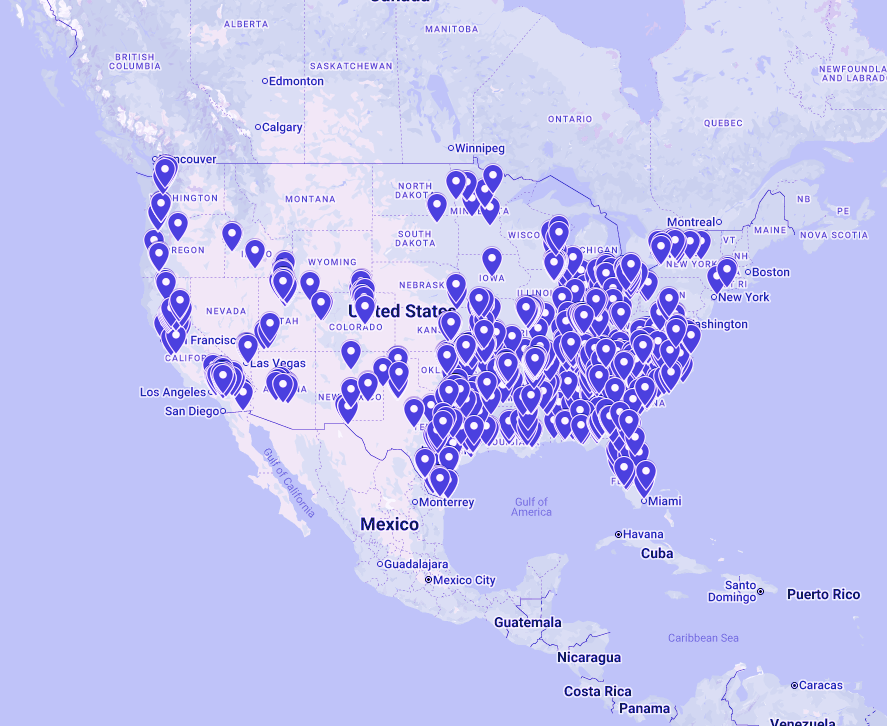
A modern program trades one bay for a network. Rynse connects fleets to both mobile wash providers and thousands of brick-and-mortar wash locations nationwide, so vehicles wash close to where they operate.
- Brick-and-mortar washing for cars, vans, and light trucks near every route, covered in mobile vs. brick-and-mortar fleet washing
- Mobile washing that comes to the yard for heavy public works equipment, explained in when mobile fleet washing makes sense
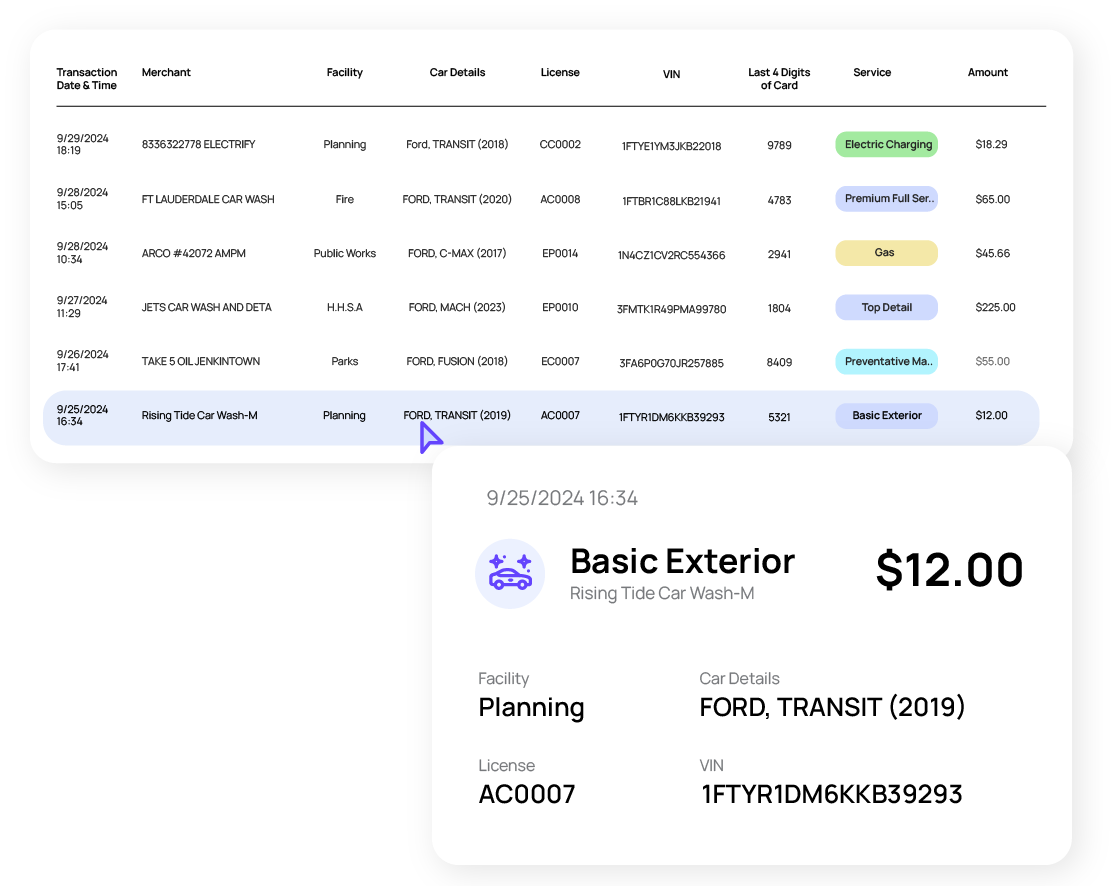
- Centralized billing that replaces scattered receipts with one streamlined invoice
- Customizable spend controls and built-in fraud monitoring
Staying Compliant With Stormwater Rules
Washing city vehicles isn't only an operational choice, it's regulated. Under the Clean Water Act, wash water that reaches a storm drain is a discharge that needs a permit, and unpermitted discharges can draw fines starting at $25,000 per day.
- Fleet wash water carries detergents, oils, grease, sediment, and heavy metals
- Best practice is to contain wash water and route it to the sanitary sewer, not the storm drain
- Commercial wash locations are already built to capture and treat wash water
- Using compliant sites shifts the environmental burden off city yards
Routing washes to established locations that already meet these standards is one more reason a network beats a single open-air bay.
What to Look For in a Municipal Wash Program
When comparing options, the strongest programs share a few traits:
- Coverage that reaches every district, route, and yard, which is how fleets reduce driver downtime
- Support for every vehicle type, from sedans to snowplows
- One centralized invoice and clear cost-per-vehicle reporting
- Real-time wash activity, so managers get the real-time insights to confirm washes happened
- Spend controls that fit a public budget and its audit requirements
Frequently Asked Questions
How often should municipal fleet vehicles be washed?
It depends on route and season. Vehicles on salted winter roads should be rinsed often, sometimes weekly, to slow corrosion, while lighter-duty vehicles may need less. The key is consistency across the whole fleet.
Is it cheaper to build a city wash bay or use a network?
A single bay carries land, equipment, water treatment, and maintenance costs, plus the driver time spent traveling to it. A network spreads washing across existing locations, so cities pay for washes, not infrastructure.
How does municipal fleet washing stay compliant with the Clean Water Act?
Wash water can't legally enter storm drains without a permit. Using commercial locations built to contain and treat wash water keeps cities compliant without building their own treatment systems.
Can one program handle both light vehicles and heavy equipment?
Yes. Combining brick-and-mortar washing for cars and light trucks with mobile washing for heavy public works equipment covers an entire municipal fleet under one program.
A Cleaner Fleet on a Public Budget
Municipal fleets run hard, and clean vehicles last longer, stay compliant, and reflect well on the city. A wash program built on a nationwide network, not a single bay, keeps every vehicle covered without adding infrastructure or admin work.

Rynse Team