
Many city fleets still run on a single wash bay or a patchwork of nearby lots, and both approaches strain budgets and staff over time. This post breaks down how cities modernize fleet wash programs: what's changing, why it matters, and how to make the switch.
Why Older Municipal Wash Setups Fall Behind
A single city wash bay worked when the fleet was small and routes were short. As vehicles and departments grow, the cracks show.
- One location serves every vehicle, so lines and wait times build.
- Drivers leave their routes to reach the bay, burning fuel and hours.
- Equipment breaks down, and the whole fleet loses wash access at once.
- There's little record of which vehicles were washed, or how often.
These are the same pressures that make municipal wash bays slow fleets down as demand climbs.
The Hidden Compliance Load of In-House Wash Bays
Washing vehicles on city property isn't just a matter of soap and water. Wash runoff is regulated, and the rules are strict.
- Wash water carries heavy metals, hydrocarbons, and surfactants that can't enter storm drains under the Clean Water Act.
- Facilities often need an NPDES stormwater permit and a written pollution-prevention plan.
- Water reclamation systems run $8,000 to $25,000, plus the cost of a sloped wash pad and interceptor pits.
- Unpermitted discharge can bring fines that reach $25,000 a day.
Modern programs move the washing, and the wastewater handling, to professional wash sites that already meet those standards.
What a Modern Fleet Wash Program Looks Like
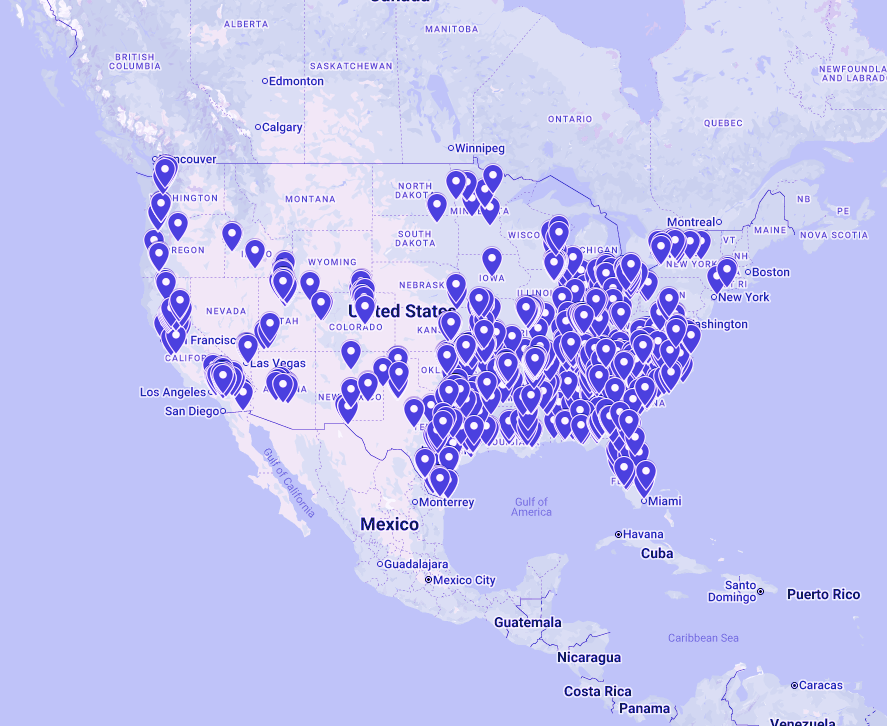
Instead of one bay, a modern program gives the fleet a whole network. Rynse connects cities to both mobile wash providers and thousands of brick-and-mortar wash locations nationwide.
- Vehicles wash close to where they operate, not across town.
- Every wash runs through one platform with centralized billing.
- Spend controls cap what each department or vehicle can use.
- Built-in fraud monitoring flags washes that don't fit the pattern.
It's the same shift that helps fleets eliminate single-location risk and keep vehicles moving.
Brick-and-Mortar and Mobile Washing, Working Together
Cities rarely run one kind of vehicle, so one wash method rarely fits all. A modern program uses both.
- Brick-and-mortar washing handles sedans, patrol cars, and light trucks on the move.
- Mobile washing brings crews to the yard for heavy equipment and vehicles that can't leave.
- Both methods run on the same account, billing, and reporting.
See how fleets combine mobile and brick-and-mortar washing in one program.
Centralizing Billing, Procurement, and Spend Controls
Modernizing isn't only about where vehicles get washed. It's about how the program is managed and paid for.
- One itemized invoice replaces stacks of receipts from different vendors.
- Procurement simplifies to a single approved program instead of many contracts.
- Customizable spend controls keep departments inside budget.
- Centralized billing gives finance one clear view of wash spend.
Real-Time Visibility Into Every Wash
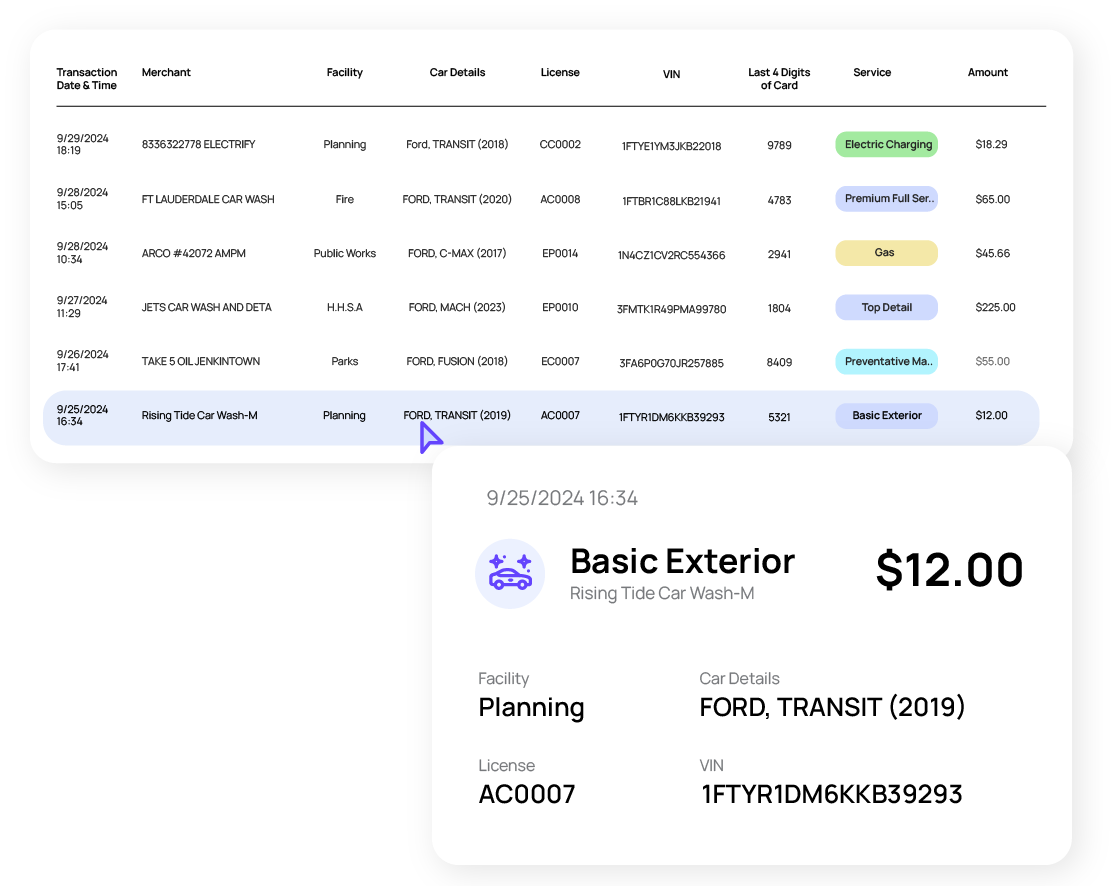
Older setups leave managers guessing. A modern program shows the activity as it happens.
- See which vehicles washed, where, and when.
- Catch unusual activity early instead of at month-end.
- Back budget requests with clear data, not estimates.
It's the value of real-time fleet insights over monthly reports.
How Cities Make the Switch
Moving off a single bay is more straightforward than most managers expect.
- Map where vehicles operate and where washing actually needs to happen.
- Add nearby brick-and-mortar sites from the nationwide wash network.
- Layer in mobile washing for the yard and heavy equipment.
- Set spend controls and roll drivers onto the program.
For a full walkthrough, see the complete guide to municipal fleet washing.
Frequently Asked Questions
Do cities have to close their existing wash bay? No. Many keep a bay for specific needs and use the network to cover everything else and cut wait times.
Is outsourced washing more expensive than in-house? Not usually. Once permits, equipment, water reclamation, labor, and downtime are counted, a networked program is often comparable or lower.
How does one program handle different vehicle types? Brick-and-mortar washing covers everyday vehicles while mobile washing handles heavy equipment, all on one account.
Can we control which departments spend what? Yes. Spend controls set limits by department or vehicle, and every wash appears on one itemized invoice.
A Cleaner Path Forward for City Fleets
Modernizing a wash program means fewer permits to manage, less driver downtime, and a clear view of every dollar spent. Cities get vehicles that stay clean and on the road, without the burden of running a wash bay.

Rynse Team