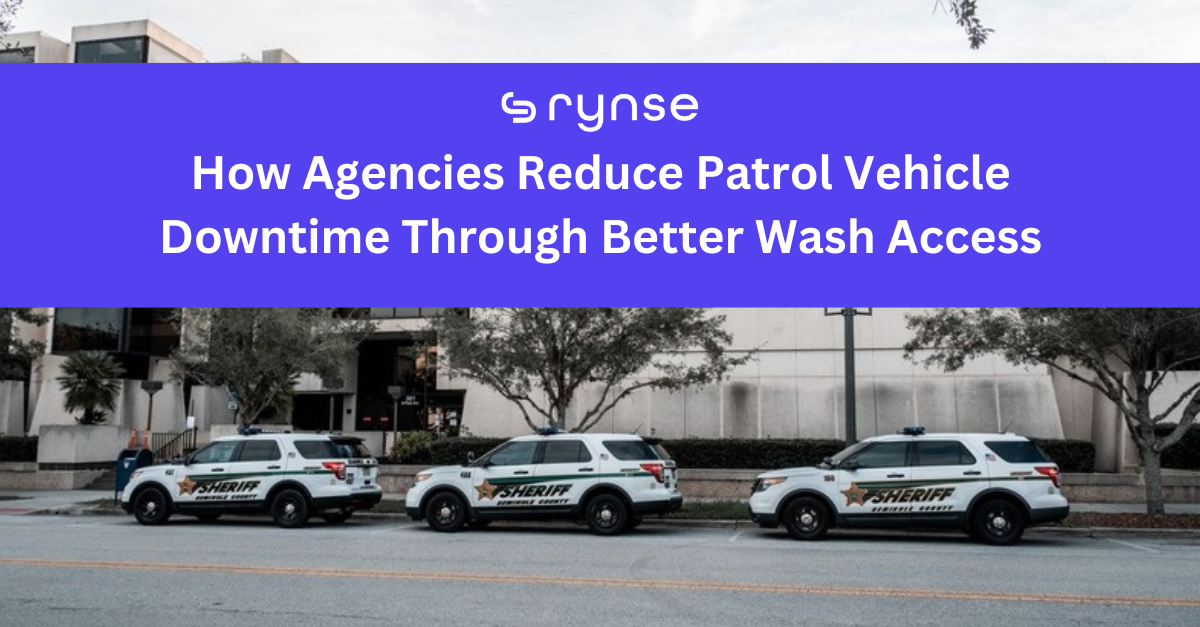
Patrol vehicles need regular washing, but the trip to a wash can pull cars off the street. Here's what drives patrol wash downtime and how better wash access keeps more cars on patrol.
Where Patrol Vehicle Downtime Comes From
Most patrol wash downtime builds up before and after the actual wash, in the driving, waiting, and paperwork.
- Driving across the city to reach a single approved wash bay or municipal facility.
- Waiting in line when every shift shows up at the same site.
- Losing access when the one wash bay closes for repairs or maintenance.
- Chasing paper vouchers and receipts that supervisors reconcile later.
Each detour pulls an officer and a vehicle away from the beat, and it adds up fast across a shift. There's a full breakdown in calculating the cost of vehicle downtime.
Wash Closer to Where Patrols Operate
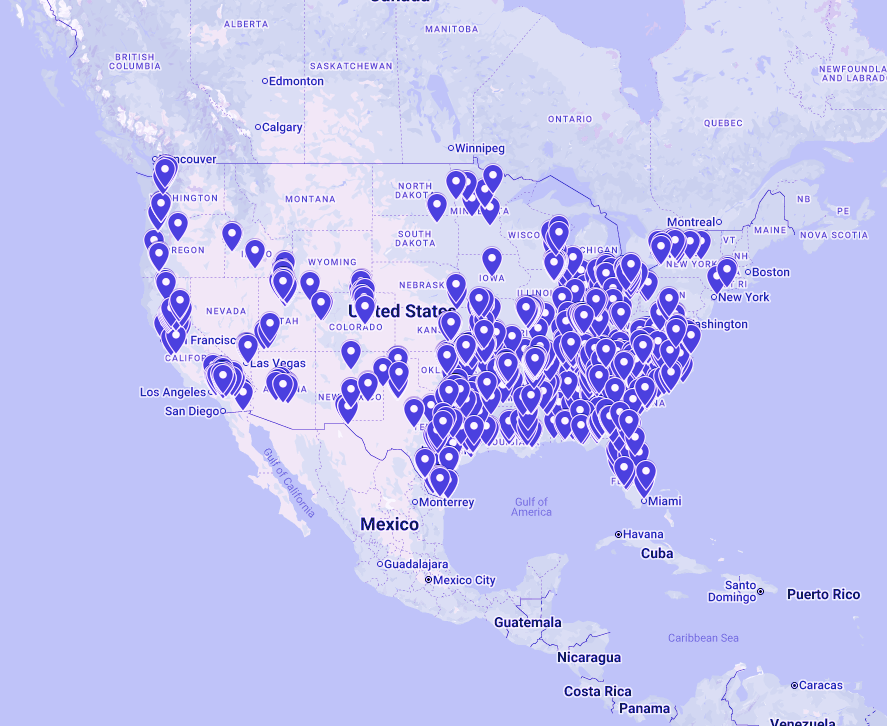
The fastest way to cut wash downtime is to shorten the trip. With access to both mobile wash providers and thousands of brick-and-mortar wash locations nationwide, patrol cars can wash near their route instead of driving back to a central yard.
- Officers stop at an approved site along the beat, not across town.
- Multiple locations mean there's no single point of failure when one site is down.
- More sites open more hours, so washing fits around shift schedules.
Spreading access across many sites is what Rynse's nationwide wash network is built for.
Keep Cars in Service, Not in Line
Different shifts and vehicle types call for different wash options. A wash-first program gives agencies both.
- Brick-and-mortar washing for quick, self-serve stops during a shift.
- Mobile washing that comes to the precinct lot or impound yard, so cars get cleaned without leaving.
- Overnight and off-peak washing that keeps day-shift cars ready without pulling them from patrol.
For take-home and precinct fleets alike, mobile washing can clean a whole lot in one visit. Programs built this way are how fleet wash networks reduce driver downtime.
Give Supervisors Visibility Without the Paperwork
Better wash access only helps if it's easy to manage. Rynse centralizes the whole program.
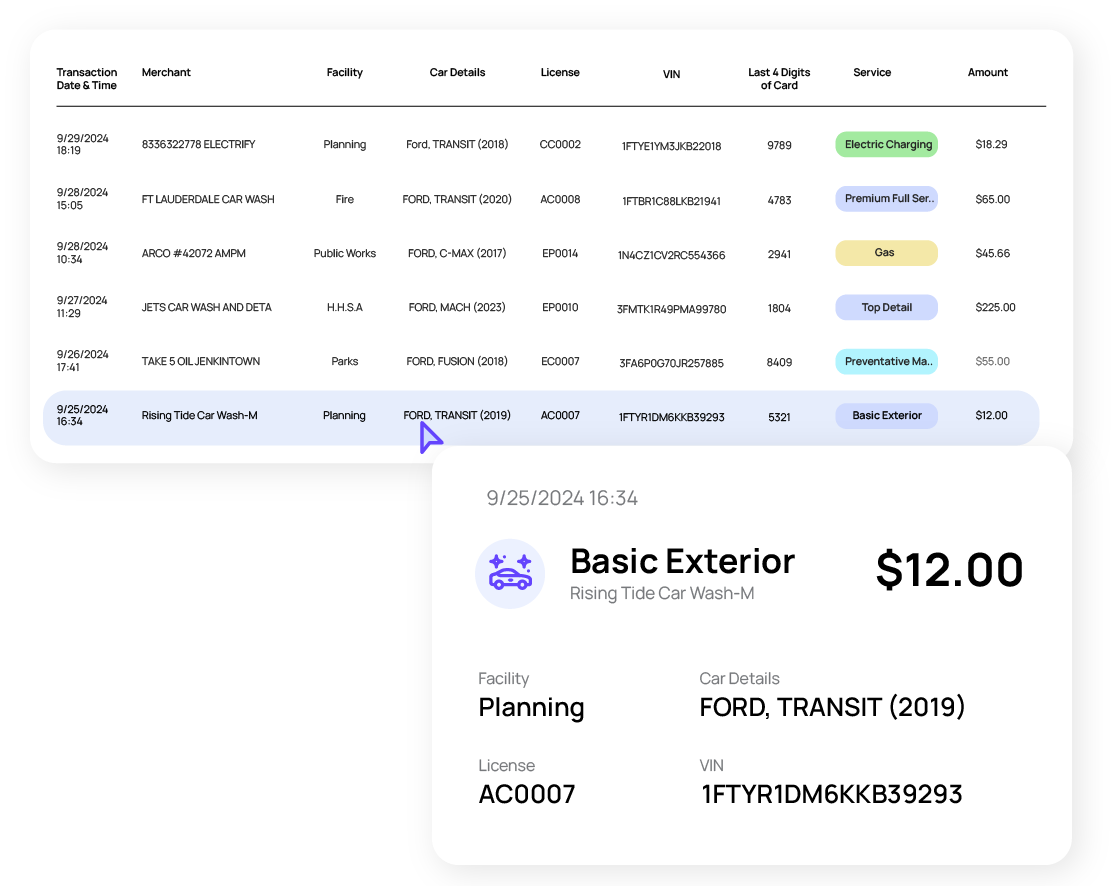
- Centralized, itemized billing replaces stacks of vouchers and receipts, covered in streamlined billing.
- Customizable spend controls cap how often and where each vehicle washes.
- Built-in fraud monitoring flags washes that don't match the assignment.
- Real-time reporting shows every wash as it happens.
For unmarked units, wash verification can run on license plate recognition without exposing plate data, with more detail in unmarked vehicle mode.
Frequently Asked Questions
How does better wash access reduce patrol vehicle downtime?
It shortens the trip to a wash and removes single-site waiting. Patrol cars wash near their route and get back on the beat faster.
Can one program cover marked and unmarked units?
Yes. A wash-first program handles marked patrol cars, unmarked units, and support vehicles across many sites, with license plate recognition available for sensitive assignments.
What about vehicles that can't leave the lot?
Mobile washing comes to the precinct or impound yard, so those vehicles get cleaned on site. There's more in best practices for managing police vehicle wash programs.
How do supervisors keep control of costs?
Spend controls, centralized billing, and fraud monitoring keep every wash within policy. The full picture is in the complete guide to law enforcement fleet washing.
More Patrols on the Road, Less Time at the Wash
Better wash access keeps patrol cars clean and in service, gives supervisors clear visibility, and takes the paperwork out of the process.

Rynse Team